Don't miss our holiday offer - 20% OFF!

Soft Plastic Baits for Bass | Great Outdoors Shops
Soft Plastic Baits for Bass Fishing in Florida & Nationwide
Soft plastic baits remain one of the most effective tools in modern bass fishing. Whether you’re fishing Florida hydrilla lakes, shallow grass flats, lily pad fields, or deeper weed edges, soft plastics consistently produce when other lures fail.
At Great Outdoors Shops, our soft plastic baits are built for real fishing conditions — heavy vegetation, stained water, summer heat, pressured fish, and year-round patterns. Based in Florida and shipping nationwide, we serve anglers who demand durability, natural action, and proven fish-catching performance.
From soft plastic worms and creature baits to craw imitations and paddle tail swimbaits, every style serves a specific purpose. Understanding when and how to use them is what separates casual anglers from consistent producers.
If you’re looking for soft plastic baits for bass fishing — designed for Florida waters and trusted by anglers across the country — you’re in the right place.
✔ Built for heavy cover
✔ Designed for natural fall rates
✔ Proven in Florida grass systems
✔ Effective in freshwater and light inshore applications
✔ Shipped nationwide
Browse our full collection below, then continue reading for a complete guide to choosing and fishing soft plastics effectively.
-

10-Inch Streamer Tail Worm – Big Bass Soft Plastic | Baitlicious
Rated 5.00 out of 5 -
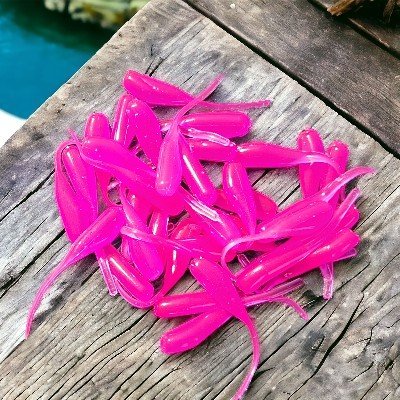
2.0 Assassin
-
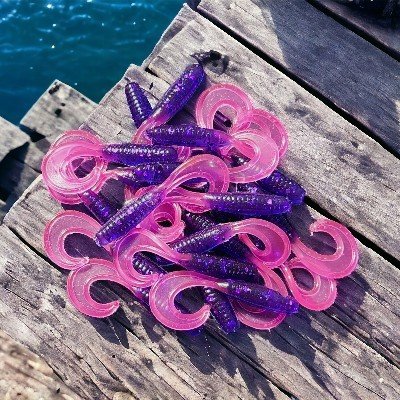
2.0 Single Tail Grub
-
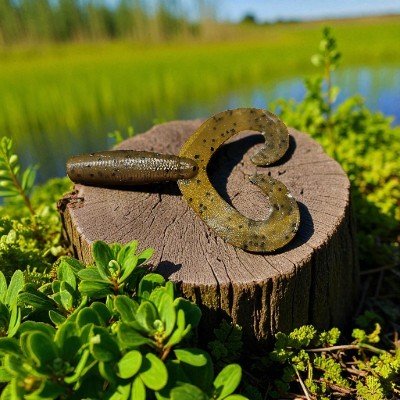
2.0 Twin Tail Grub
-
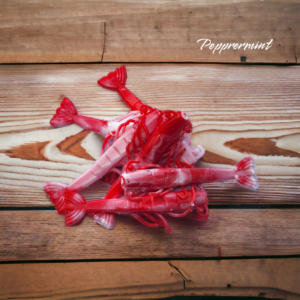
3 Inch Shrimp
-
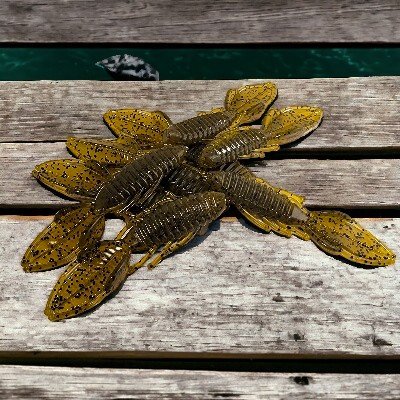
3.25 X-Bug
-
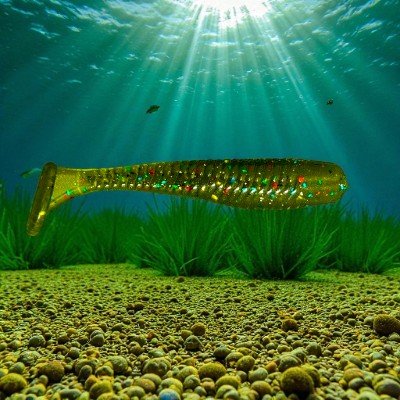
3.5” Bandit Swimbait – Natural-Action Paddletail | Baitlicious
Rated 5.00 out of 5 -
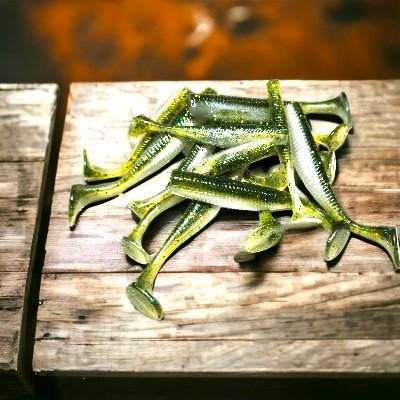
3.75 Sledgehammer
-
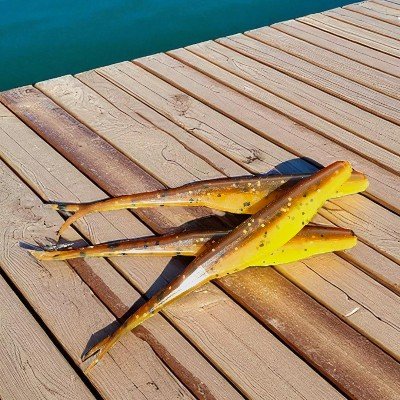
3.75” Twitch Jerkbait – Soft Plastic Jerkbait | Baitlicious
Rated 5.00 out of 5 -
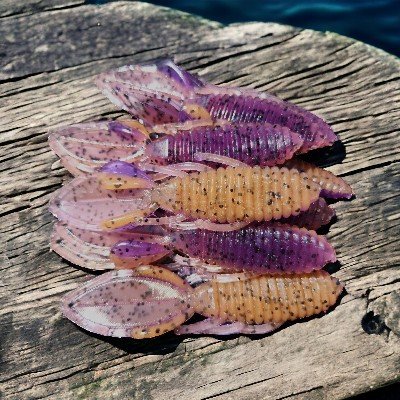
4.0” X-Bug Creature Bait – Soft Plastic Creature Bait| Baitlicious
Rated 4.00 out of 5 -
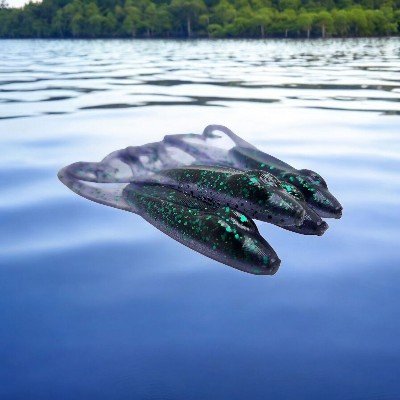
4.5” Scurry Toad – Topwater Buzzing Toad | Baitlicious
Rated 4.50 out of 5 -
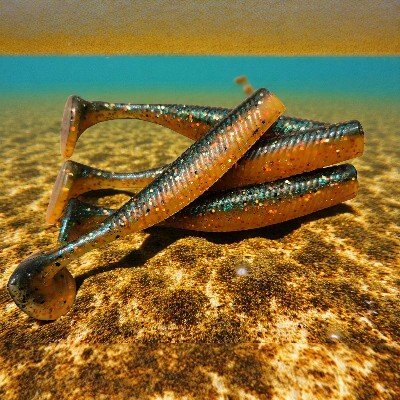
4.75” Sledgehammer – Power Swimbait with Heavy Thump | Baitlicious
Rated 4.50 out of 5 -

4.75” Twitch Jerkbait – Large Soft Jerkbait for Bass & Inshore | Baitlicious
Rated 4.33 out of 5 -
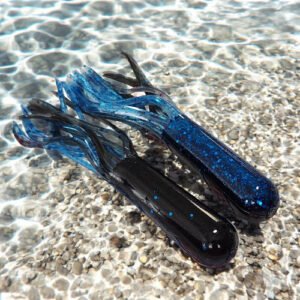
4” DD Tube – Heavy-Fall Flipping Tube for Bass | Baitlicious
Rated 4.67 out of 5 -
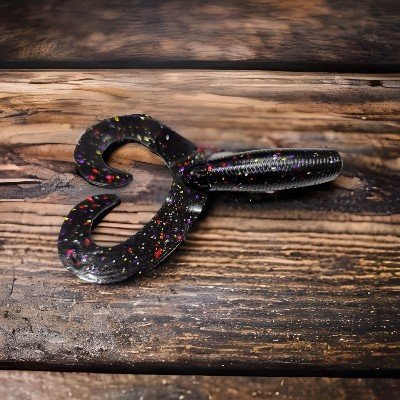
4” Twin Tail Grub – Dual Curly Tail Soft Plastic | Baitlicious
Rated 4.00 out of 5 -
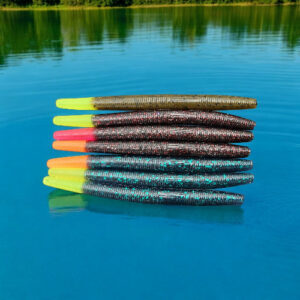
5.0” Fire Tip Stick Worm – Finesse Visual Trigger Worm | Baitlicious
Rated 4.33 out of 5 -
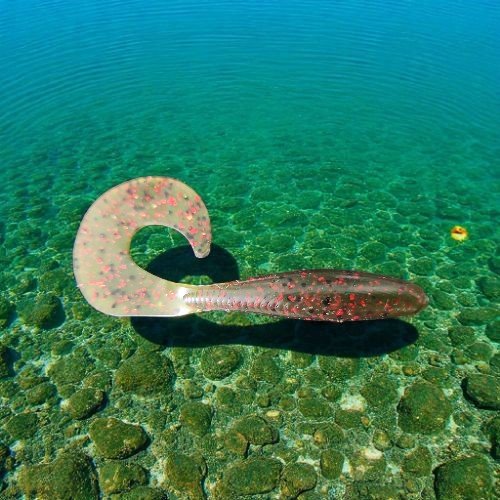
5.0” Single Tail Grub – Classic Curly Tail Soft Plastic | Baitlicious
Rated 5.00 out of 5 -
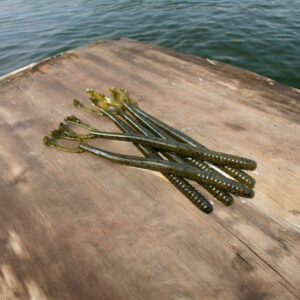
5.5” Kicker Tail Finesse Worm – Subtle Action Soft Plastic | Baitlicious
Rated 5.00 out of 5 -

5” Stick Worm – Classic Soft Plastic Stick Bait | Baitlicious
Rated 5.00 out of 5 -
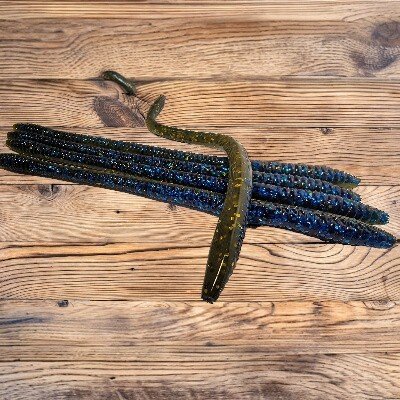
6” Savvy Worm – Finesse Trick Worm | Baitlicious
Rated 4.00 out of 5
The Complete Guide to Soft Plastic Baits for Bass Fishing
Soft plastic fishing lures dominate bass fishing for one reason: versatility. Unlike hard baits that rely on built-in action, soft plastics allow anglers to control movement, depth, fall rate, and presentation with precision.
When fish become pressured, water clarity changes, or seasonal patterns shift, soft plastics provide subtle presentations that trigger commitment bites rather than reaction strikes.
What Makes Soft Plastic Baits So Effective?
Realistic Movement
Soft plastics respond to minor rod movements and water currents. This subtle motion mimics natural prey more accurately than rigid lures.
Customizable Rigging
You can fish soft plastics:
Weightless
Texas rigged
Carolina rigged
Wacky rigged
On a jig head
On a weighted swimbait hook
Few lure categories offer this level of flexibility.
Weedless Presentations
Florida bass live in grass. Hydrilla, eelgrass, pads, and matted vegetation demand weedless setups. Soft plastics excel here.
Types of Soft Plastic Baits and When to Use Them
Soft Plastic Worms
The most versatile soft bait available.
Best for:
Grass lines
Docks
Points
Shallow cover
Post-frontal conditions
In Florida’s stained water systems, darker colors such as black and blue or junebug produce strong silhouettes.
Creature Baits
Designed for bulk and vibration, creature baits shine in heavy cover.
Use them when:
Flipping hydrilla
Punching mats
Fishing laydowns
Targeting spawning bass
Their multiple appendages create water displacement that helps fish locate them in low visibility.
Craw Imitations
Spring and pre-spawn patterns often revolve around crawfish.
Fish craw baits:
Along rocky banks
Around wood
On football jigs in deeper water
During warming trends
Paddle Tail Swimbaits
Paddle tails create consistent vibration on the retrieve.
Effective for:
Grass edges
Schooling bass
Open water transitions
Inshore redfish and snook
They bridge freshwater and light saltwater applications effectively.
Best Soft Plastics for Florida Bass Fishing
Florida bass behave differently than northern strain bass. Warm water, shallow structure, and dense vegetation demand specific presentations.
Heavy Vegetation
Texas rig worms
Creature baits
Punch rigs
Lily Pads
Weightless worms
Lightly weighted swimbaits
Summer Heat
Slower retrieves
Deeper grass edges
Subtle bottom presentations
If your soft plastics are not built for grass-heavy environments, they won’t last long in Florida systems.
Freshwater vs Saltwater Soft Plastics
Many soft plastics transition effectively into inshore applications.
Redfish, snook, and speckled trout respond aggressively to:
Paddle tail swimbaits
Jerk-style plastics
Shrimp imitations
Saltwater demands corrosion-resistant hooks and slightly tougher plastics, but the core principle remains the same: natural presentation wins.
How to Rig Soft Plastic Baits Properly
Texas Rig
The go-to weedless setup for heavy cover.
Wacky Rig
Ideal for pressured fish and subtle presentations.
Carolina Rig
Effective for covering deeper water structure.
Weighted Swimbait Hook
Perfect for grass lines and mid-column retrieves.
Rigging properly often matters more than color selection.
Choosing the Right Soft Plastic Color
Color selection depends on:
Water clarity
Light penetration
Forage base
Depth
Stained water = darker colors for silhouette
Clear water = natural tones
Anglers often overthink color and underthink presentation speed.
When to Choose Soft Plastics Over Hard Baits
Use soft plastics when:
Fish are pressured
Conditions change rapidly
Water temperatures drop
Bass hold tight to structure
Hard baits trigger reaction strikes.
Soft plastics trigger feeding behavior.
Common Mistakes Anglers Make
Fishing too fast
Using hooks that are too small
Ignoring fall rate
Overworking the bait
Fishing too light in heavy cover
Soft plastics reward patience and control.
Frequently Asked Questions About Soft Plastic Baits
What soft plastic bait is best for bass fishing?
Soft plastic worms and creature baits provide the most versatility across conditions.
What color soft plastic works best in stained water?
Black and blue, junebug, and darker tones produce strong silhouettes.
Are soft plastics effective in summer?
Yes. Slow presentations along deeper grass edges excel during hot conditions.
Can soft plastics be used in saltwater?
Absolutely. Paddle tail swimbaits are highly effective for inshore species.