Don't miss our holiday offer - 20% OFF!

Florida Inshore Fishing
Explore Florida’s Shallow Water Fisheries
From the mangrove-lined shorelines of Southwest Florida to the expansive grass flats of Tampa Bay and the legendary lagoons along the Atlantic coast, Florida offers some of the finest inshore fishing in the world. Whether you’re targeting aggressive redfish, trophy snook, speckled trout, flounder, sheepshead, or mangrove snapper, understanding the right habitat, tides, and lure selection can dramatically improve your success.
This guide is your starting point for learning where Florida’s most popular inshore species live, how seasonal conditions affect their behavior, and which artificial lures consistently produce fish throughout the year.
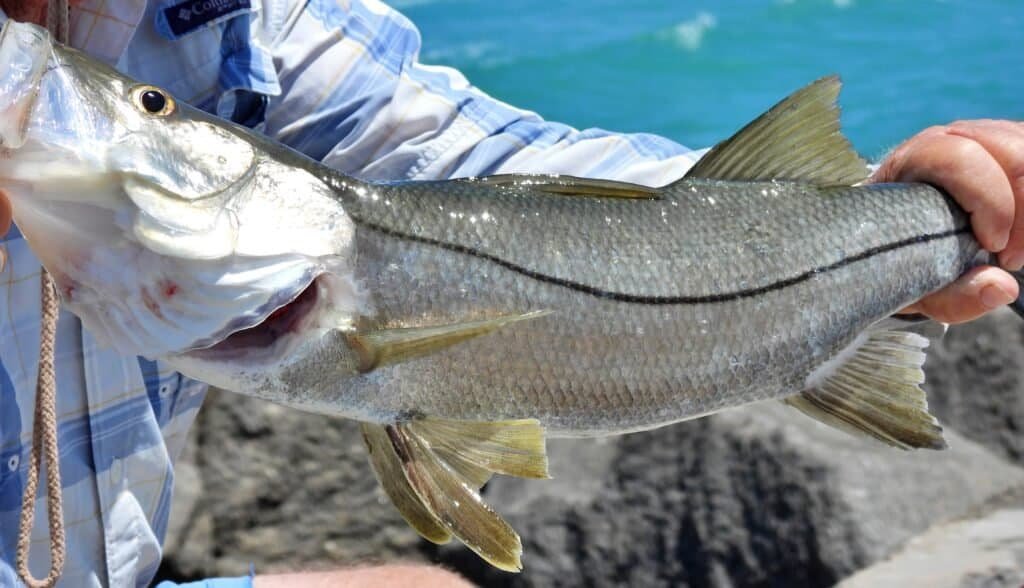
Why Florida Is One of the World's Best Inshore Fisheries
Few places on earth offer the diversity and accessibility of Florida’s inshore saltwater fisheries. With more than 8,400 miles of tidal shoreline (including its many bays, estuaries, and islands), Florida provides anglers with an incredible variety of fish habitats that support healthy populations of gamefish throughout the year. Whether you’re fishing from a boat, kayak, paddleboard, or simply casting from shore, opportunities to catch quality fish are never far away.
Unlike offshore fishing, where anglers often travel many miles into the Gulf of Mexico or Atlantic Ocean, inshore fishing takes place in protected coastal waters where fish feed, spawn, and seek shelter. These shallow-water environments create ideal conditions for species like redfish, snook, speckled trout, flounder, sheepshead, mangrove snapper, black drum, and juvenile tarpon.
Diverse Coastal Habitats
Florida’s coastline is made up of an extraordinary collection of natural habitats, each supporting different species and seasonal feeding patterns.
Grass Flats
Expansive seagrass flats are among Florida’s most productive fishing areas. These underwater meadows provide food, oxygen, and protection for shrimp, crabs, baitfish, and countless other marine organisms. Predatory fish such as redfish, speckled trout, and snook patrol these flats in search of easy meals, making them prime locations for fishing soft plastics, topwater lures, and weedless presentations.
Oyster Bars
Oyster bars create natural structure that attracts baitfish, shrimp, and crustaceans while providing current breaks where predators can ambush prey. Redfish, black drum, sheepshead, and flounder frequently hold around oyster bars, especially during moving tides. Because oyster shells can be abrasive, anglers often rely on jig heads and abrasion-resistant leaders when fishing these areas.
Mangrove Shorelines
Mangrove forests are among Florida’s most recognizable coastal features. Their extensive root systems protect juvenile fish, shrimp, and crabs while providing shade and cover for larger predators. Snook, redfish, mangrove snapper, and juvenile tarpon commonly position themselves beneath overhanging branches, waiting to ambush passing baitfish. Accurate casts and weedless artificial lures are often the key to success.
Docks, Bridges, and Seawalls
Man-made structures create shade, current breaks, and feeding opportunities that attract a wide variety of inshore species. Barnacles, baitfish, and crustaceans thrive around pilings, making docks and bridges excellent locations for snook, sheepshead, mangrove snapper, and flounder. Fishing around structure requires precision but often rewards anglers with some of the largest fish in the area.
Creeks and Tidal Channels
Small tidal creeks and connecting channels act like underwater highways, funneling baitfish and shrimp between marshes, flats, and deeper water. During incoming and outgoing tides, predators often gather at creek mouths to intercept food being carried by the current. These areas are particularly productive during seasonal bait migrations.
Estuaries and River Mouths
Florida’s estuaries—where freshwater rivers meet saltwater—are among the most biologically productive ecosystems in North America. The mixture of fresh and salt water creates nutrient-rich environments that support baitfish, shrimp, crabs, oysters, and countless marine species. Fish such as snook, redfish, trout, tarpon, and mangrove snapper use these waters throughout different stages of their life cycles.
Salt Marshes
Along much of Florida’s northern Gulf Coast and parts of the Atlantic coast, salt marshes provide shallow feeding grounds that become flooded during high tides. Redfish often move deep into these marshes to feed on crabs and shrimp, creating exciting sight-fishing opportunities for anglers using soft plastic crabs, paddle tails, and weedless lures.
A Fishery That Never Sleeps
One of Florida’s greatest advantages is its ability to provide quality fishing throughout every season. While northern states often experience months of frozen lakes and inactive fisheries, Florida’s mild subtropical climate allows anglers to target inshore species year-round.
Spring brings warming water temperatures and increased feeding activity. Summer offers exceptional early morning and evening action around grass flats, docks, and mangroves. Fall is widely considered one of the best seasons for aggressive feeding as baitfish migrate through Florida’s estuaries. Even winter provides excellent opportunities by simply adjusting tactics and focusing on deeper canals, river bends, and protected shorelines where fish seek warmer water.
An Incredible Variety of Gamefish
Perhaps the greatest reason anglers travel from around the world to fish Florida is the diversity of species available within the same trip. A single morning on the water can produce redfish cruising a grass flat, speckled trout over sandy potholes, snook tucked beneath mangroves, sheepshead around dock pilings, and flounder lying in wait along channel edges.
Few destinations offer such a wide variety of fish, habitats, and fishing styles within a relatively small geographic area. Whether your goal is casting topwater plugs at sunrise, skipping soft plastics beneath docks, or sight-fishing for tailing redfish in shallow water, Florida’s inshore fisheries provide endless opportunities for anglers of every experience level.
Popular Florida Inshore Species
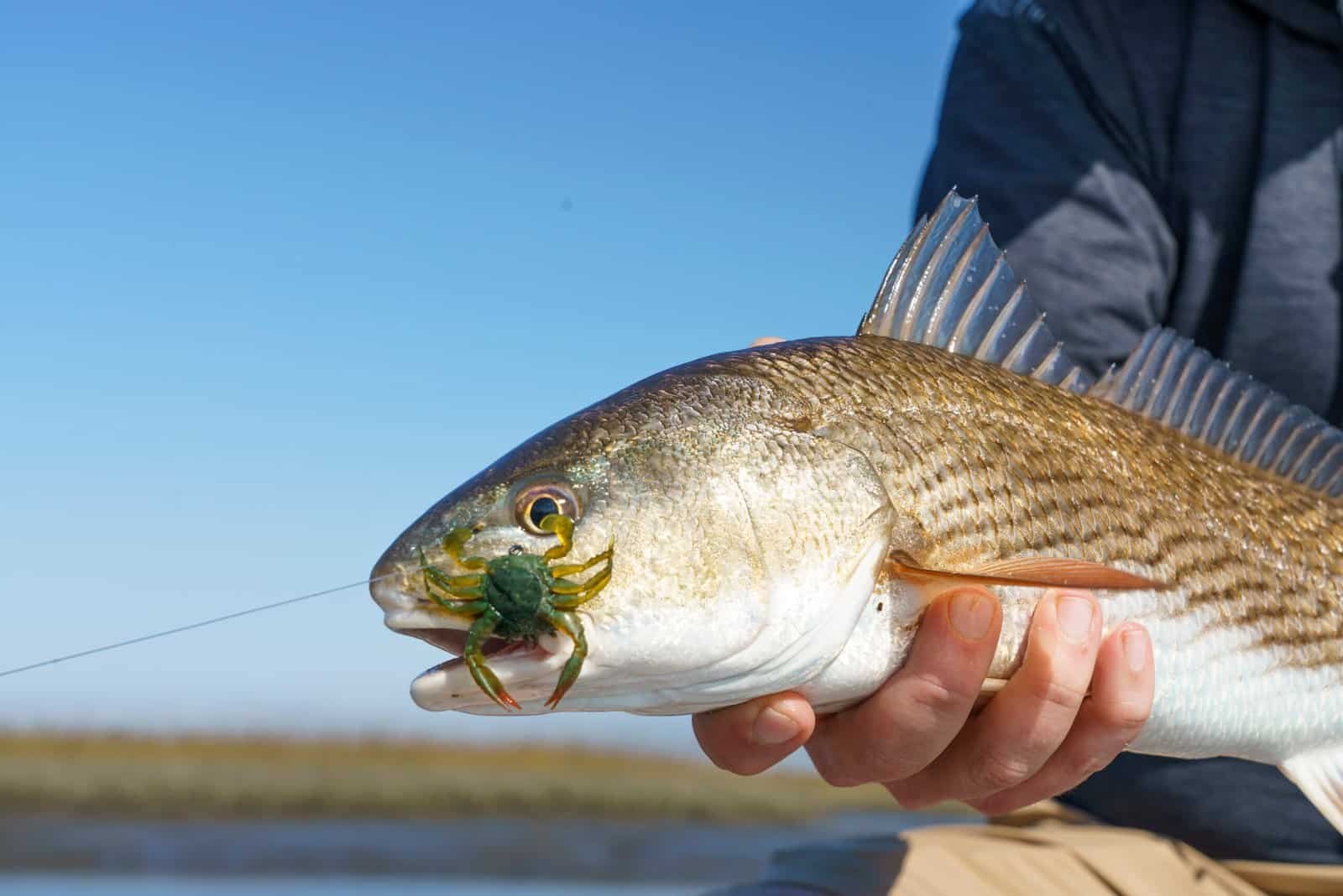
Redfish
One of Florida's most popular gamefish, thriving over grass flats and sandy bottoms. Learn About Redfish →
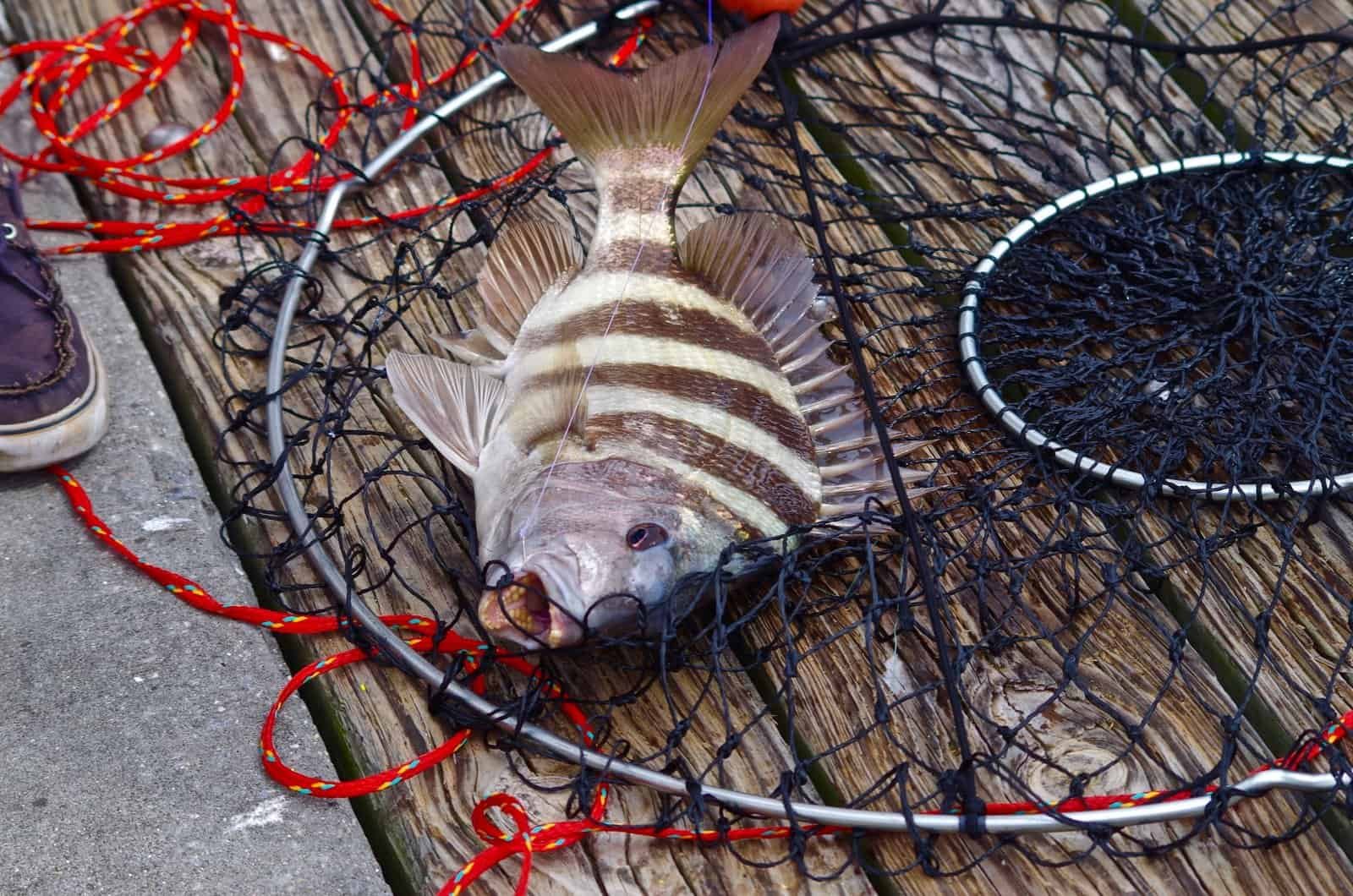
Sheepshead
Known for crushing barnacles and fiddler crabs around docks, bridges, and rock piles.. Learn About Sheepshead →
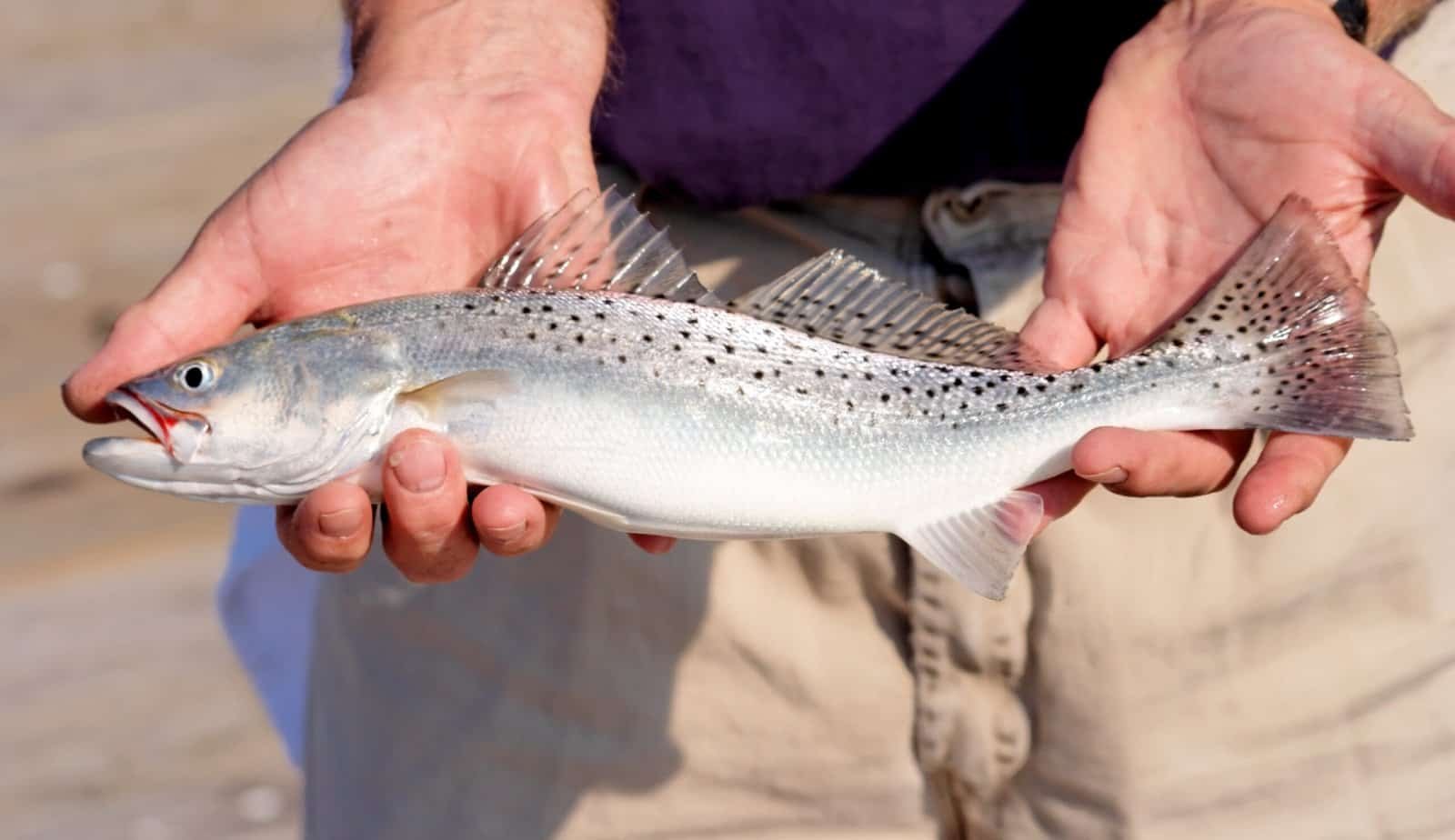
Speckled Trout
One of Florida's most popular gamefish, thriving over grass flats and sandy bottoms. Learn About Speckled Trout →
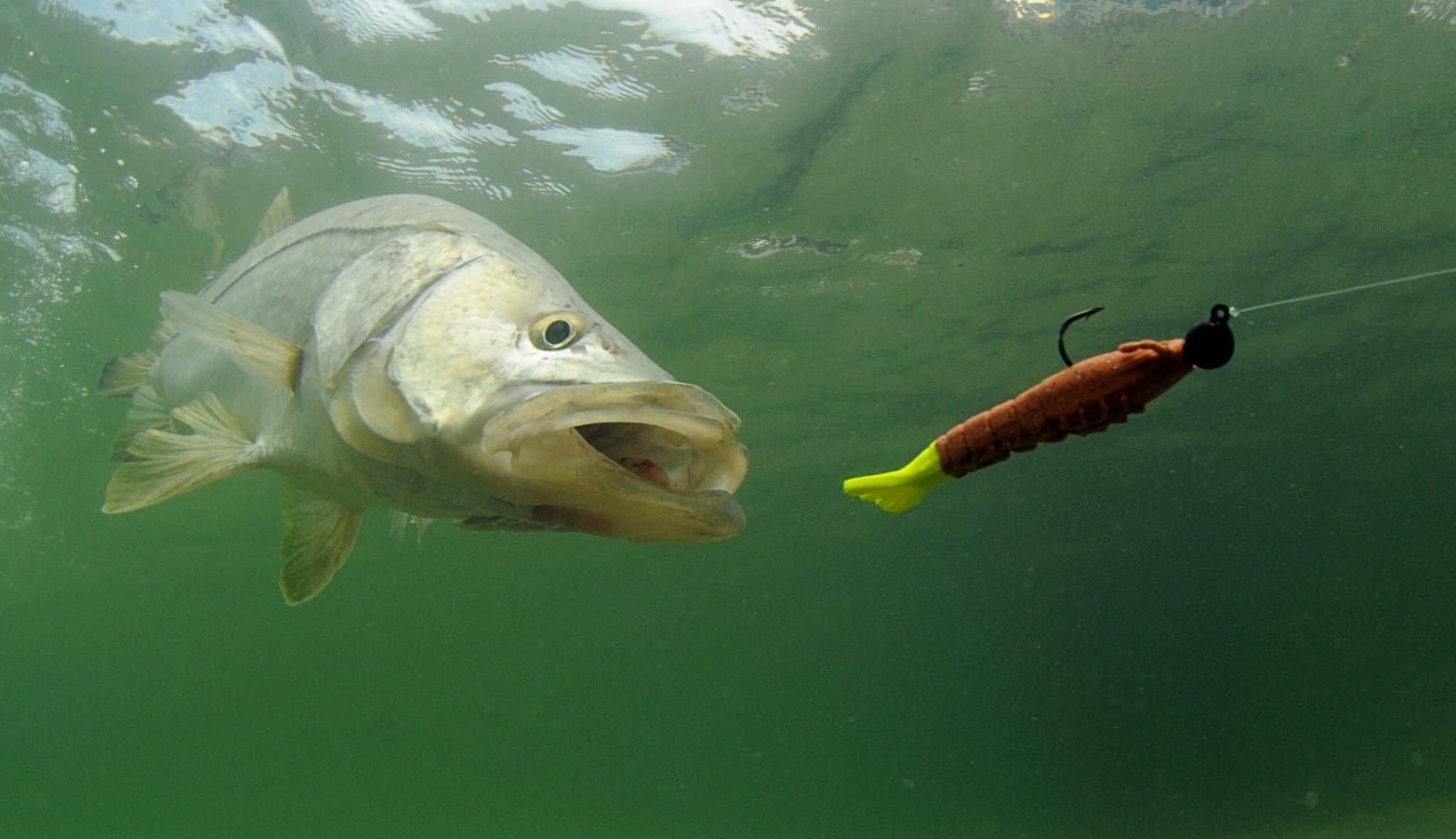
Snook
Florida's premier ambush predator often found around docks, bridges, mangroves, and passes. Learn About Snook →
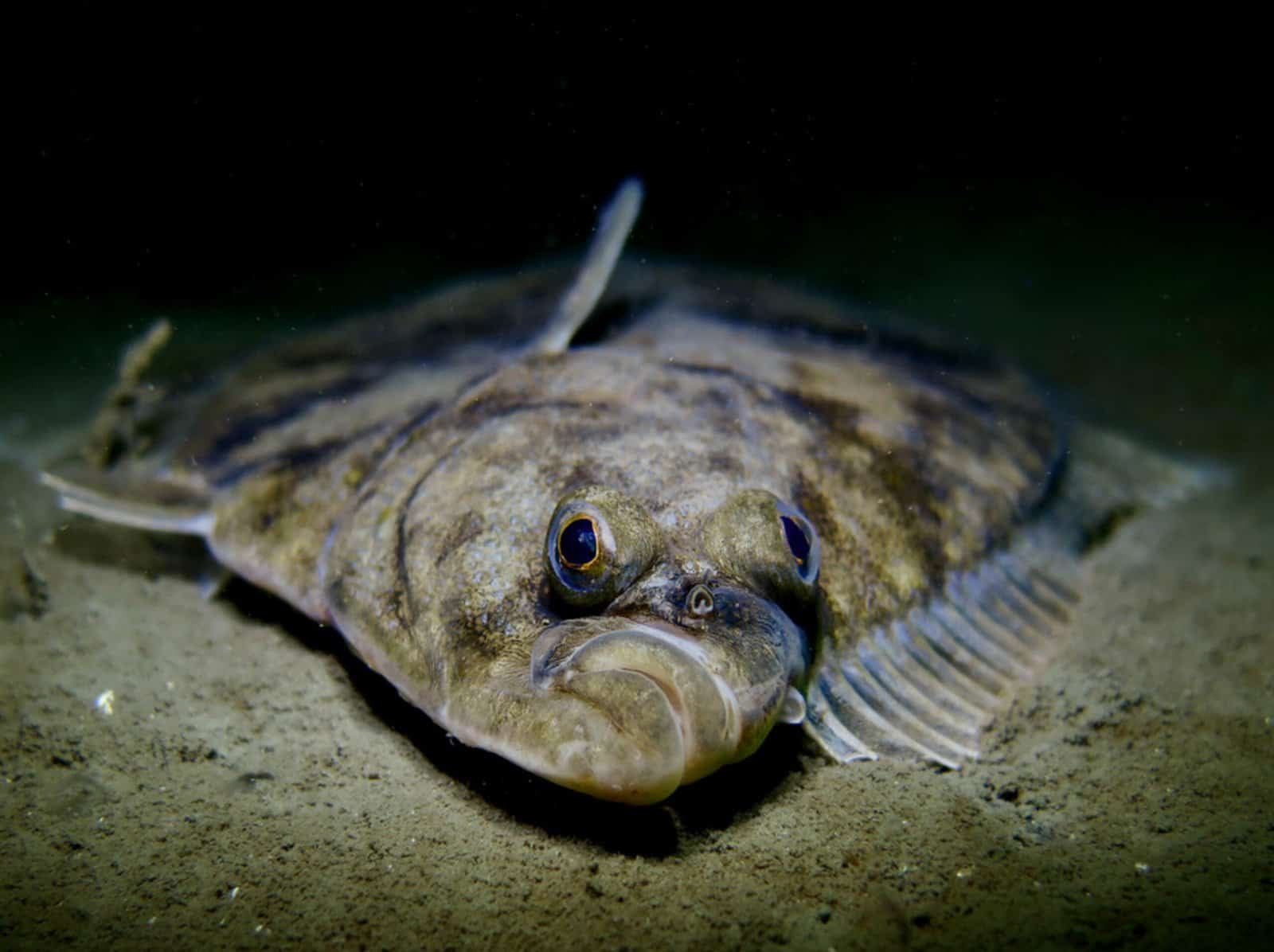
Flounder
One of Florida's most popular gamefish, thriving over grass flats and sandy bottoms. Learn About Flounder →
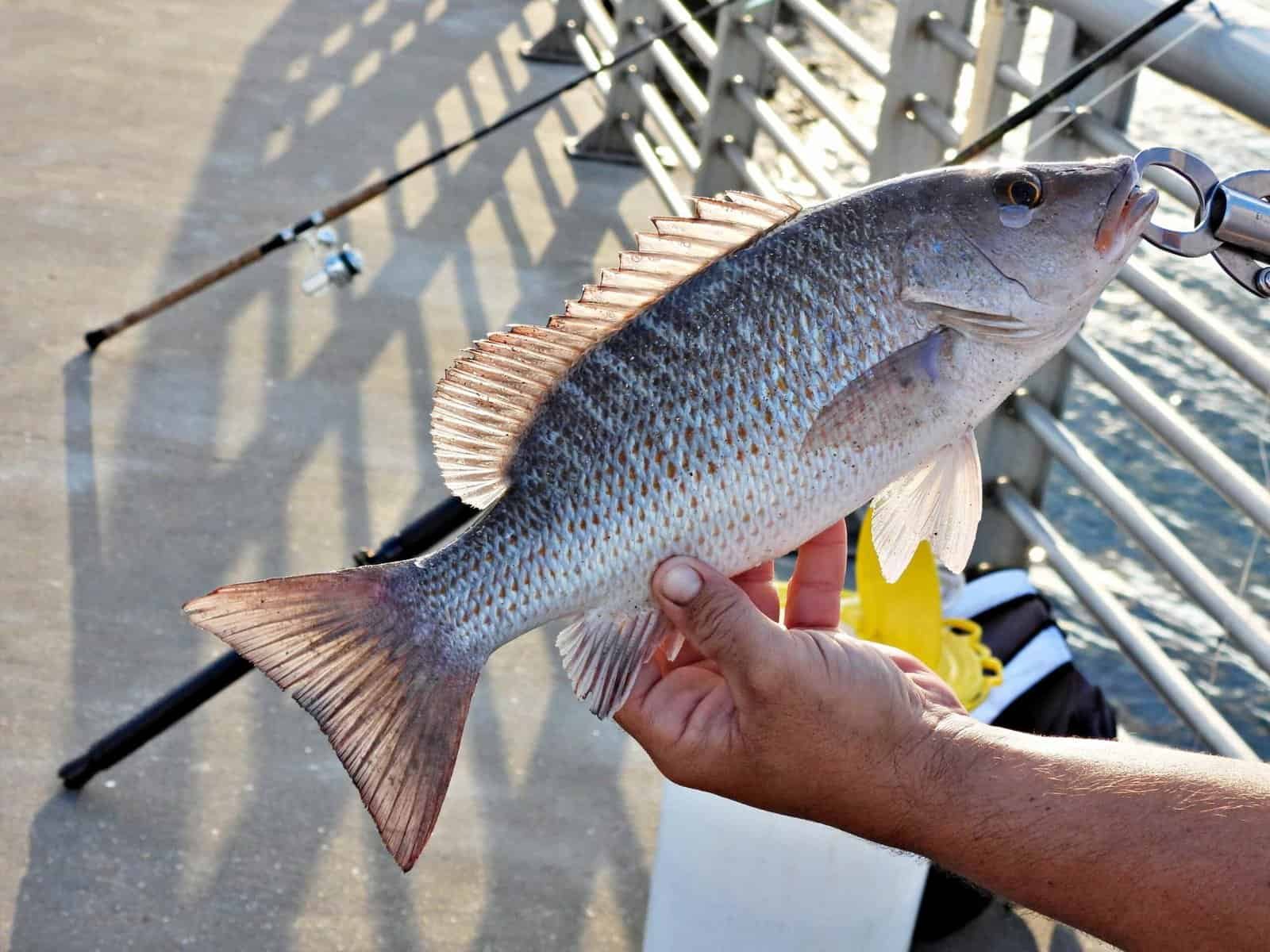
Mangrove Snapper
One of Florida's most popular gamefish, thriving over grass flats and sandy bottoms. Learn About Mangrove Snapper →
Florida’s Inshore Habitats
Understanding where fish live is just as important as choosing the right lure. Florida’s inshore waters are made up of a variety of habitats, each providing food, shelter, and ideal feeding conditions for different gamefish. Learning how these environments work will help you locate fish more consistently and select presentations that match the conditions.
Grass Flats
Grass flats are among Florida’s most productive inshore fishing environments. Vast underwater meadows of turtle grass, shoal grass, and manatee grass provide shelter for shrimp, crabs, pinfish, mullet, and countless other bait species. These healthy ecosystems become natural feeding grounds where predator fish cruise in search of an easy meal.
During spring and fall, grass flats often come alive with schools of baitfish as water temperatures become ideal for feeding activity. In summer, early morning and evening are typically the most productive times before the midday heat pushes many fish toward deeper water. During winter, deeper grass edges and nearby channels frequently hold active fish seeking more stable water temperatures.
Common species found over grass flats include:
- Redfish
- Speckled Trout
- Snook
- Black Drum
- Juvenile Tarpon
Recommended Lures
- Paddle tail swimbaits
- Soft plastic jerk shads
- Topwater walking baits
- Weedless soft plastics
- Gold spoons
- Swim jigs
Fishing Tip: Watch for nervous baitfish, diving birds, or wakes moving across the flat. These are often the first signs that predator fish are actively feeding.
Mangrove Shorelines
Mangrove shorelines provide some of Florida’s best natural ambush cover. Their tangled root systems protect juvenile baitfish while offering shade and security for larger predators waiting to strike passing prey.
Snook are especially known for positioning themselves beneath overhanging branches, while redfish cruise the edges searching for crabs and shrimp. During high tides, many fish move deeper beneath the mangroves where accurate casting becomes essential.
One of the most productive techniques is skipping soft plastics underneath low-hanging branches or beneath exposed root systems. Weedless rigging helps anglers reach fish that would otherwise be inaccessible while reducing hang-ups in heavy cover.
Common species include:
- Snook
- Redfish
- Mangrove Snapper
- Juvenile Tarpon
Recommended Lures
- Weedless paddle tails
- Soft plastic shrimp
- Soft plastic jerk baits
- Weightless stick baits
- Small swimbaits
Fishing Tip: Cast well ahead of visible fish and allow your lure to enter quietly. Heavy splashes often send fish deeper into the cover.
Oyster Bars
Oyster bars create natural structure that attracts life throughout the food chain. Small baitfish, shrimp, and crabs gather around the shells while moving tides carry food directly to waiting predators.
The most productive time to fish oyster bars is often during a moving incoming or outgoing tide. Current flowing around the bar creates feeding lanes where redfish and other predators position themselves to intercept prey with minimal effort.
Because oyster shells are abrasive, anglers should regularly inspect leaders for nicks and use durable jig heads capable of handling rough bottom structure.
Common species include:
- Redfish
- Sheepshead
- Black Drum
- Flounder
- Mangrove Snapper
Recommended Lures
- Soft plastic crabs
- Shrimp imitations
- Jig heads with paddle tails
- Bucktail jigs
- Curl-tail grubs
Fishing Tip: Fish the edges first before casting directly across the oyster bar. Many predators patrol the transition where sand meets shell.
Docks and Seawalls
Docks, piers, bridges, and seawalls provide shade, structure, and current breaks that attract baitfish throughout the day. Barnacles, mussels, and algae growing on pilings create an entire food chain that supports numerous inshore species.
As tides move through dock systems, predators often position themselves on the down-current side of pilings where baitfish are swept past naturally. Larger snook frequently use shaded dock corners as daytime ambush points before becoming more active after sunset.
One of the most effective techniques is dock skipping, allowing soft plastics to slide far beneath platforms where fish experience less fishing pressure.
Common species include:
- Snook
- Sheepshead
- Mangrove Snapper
- Flounder
- Redfish
Recommended Lures
- Weightless soft plastics
- Shrimp imitations
- Paddle tails
- Finesse jerk baits
- Small swimbaits
Fishing Tip: Skip your lure as far beneath the dock as possible and allow it to fall naturally before beginning your retrieve.
Sand Holes and Sandy Potholes
Within expansive grass flats you’ll often find patches of clean sand known as potholes or sand holes. These open areas act like natural feeding stations where baitfish become exposed against the lighter bottom, making them easy targets for predators.
Speckled trout commonly stage along the edges of potholes, while flounder bury themselves in the sand waiting to ambush passing prey. Redfish also patrol these areas searching for shrimp and crabs disturbed by the current.
Because predators often sit just outside the sand, work your lure across the grass before bringing it slowly into the open bottom.
Common species include:
- Speckled Trout
- Flounder
- Redfish
- Black Drum
Recommended Lures
- Paddle tails
- Shrimp imitations
- Curl-tail grubs
- Small bucktail jigs
- Soft plastic jerk baits
Fishing Tip: Pause your lure as it enters a sand hole. Many strikes occur when the bait transitions from grass into open sand.
Creek Mouths and Tidal Creeks
Creek mouths function like natural food funnels throughout Florida’s estuaries. As tides rise and fall, shrimp, baitfish, and crabs are carried through these narrow channels, creating predictable feeding opportunities for waiting predators.
Moving water is one of the biggest keys to success. Incoming tides push fresh bait into the marshes, while outgoing tides pull forage back into deeper channels. Fish often position themselves where current is strongest but still allows them to conserve energy.
Casting across the current rather than directly with it often creates the most natural presentation.
Common species include:
- Redfish
- Snook
- Speckled Trout
- Flounder
- Black Drum
Recommended Lures
- Paddle tails
- Soft plastic shrimp
- Bucktail jigs
- Jerk shads
- Small swimbaits
Fishing Tip: Focus on the first hour of a strong incoming or outgoing tide. This period often concentrates bait and produces the most consistent action.
Bringing It All Together
Successful Florida inshore anglers don’t simply fish random locations—they learn to recognize productive habitats and understand how tides, bait movement, and seasonal changes influence fish behavior. Once you understand how grass flats, mangroves, oyster bars, docks, sand potholes, and creek mouths work together within an estuary, you’ll spend less time searching for fish and more time catching them.
As you continue through our Florida Inshore Fishing Guides, you’ll discover how each of these habitats changes throughout the seasons, which species are most likely to be present, and the artificial lures and techniques that consistently produce results on both Florida’s Gulf Coast and Atlantic Coast.
East Coast vs West Coast Florida
East Coast
- Indian River Lagoon
- Mosquito Lagoon
- Banana River
- St. Johns River
- Intracoastal
Known for
- Trophy redfish
- Snook
- Seatrout
- Tarpon
West Coast
- Larger grass flats
- Longer tidal movement
- Tampa Bay
- Charlotte Harbor
- Sarasota Bay
- Pine Island
Excellent for
- Redfish
- Trout
- Snook
Understanding Florida Tides
If there’s one factor that consistently influences Florida’s inshore fishing, it’s the tide. Unlike freshwater lakes, where water levels remain relatively stable, Florida’s bays, estuaries, creeks, and grass flats are constantly changing as the ocean rises and falls. These tidal movements determine where baitfish gather, how predators position themselves, and when many species become most active.
Learning to read the tides is often the difference between spending the day searching for fish and consistently finding them in productive feeding areas. While every location has its own tidal characteristics, understanding a few basic principles will help you fish more effectively anywhere along Florida’s Gulf or Atlantic coast.
Incoming Tide
An incoming, or rising, tide occurs as ocean water flows into bays, estuaries, marshes, and tidal creeks. This movement brings clean, oxygen-rich water along with shrimp, crabs, and baitfish into shallow feeding areas that may have been inaccessible during low tide.
Predator fish often follow this movement, pushing onto grass flats, oyster bars, mangrove shorelines, and flooded marshes to feed. As water levels rise, fish become more widely distributed, allowing anglers to target areas that are dry or too shallow during low tide.
Best Areas to Fish
- Grass flats
- Mangrove shorelines
- Oyster bars
- Flooded marsh edges
- Shallow back bays
Common Species
- Redfish
- Snook
- Speckled Trout
- Black Drum
Recommended Lures
- Paddle tail swimbaits
- Soft plastic shrimp
- Weedless soft plastics
- Topwater lures during low-light periods
Fishing Tip: Focus on the first few hours of the incoming tide when baitfish begin moving into newly flooded areas and predator fish are actively following them.
Outgoing Tide
As the tide falls, water drains from marshes, flats, and backwater areas into creeks, channels, and deeper basins. Rather than chasing bait across expansive flats, predator fish often position themselves near natural bottlenecks where food is concentrated by the current.
Many experienced anglers consider the outgoing tide one of the most productive feeding periods because fish don’t have to search for food—the tide delivers it directly to them.
Best Areas to Fish
- Creek mouths
- Channel edges
- Dock pilings
- River mouths
- Oyster bar points
Common Species
- Redfish
- Flounder
- Snook
- Mangrove Snapper
Recommended Lures
- Paddle tails on jig heads
- Bucktail jigs
- Soft plastic crabs
- Shrimp imitations
Fishing Tip: Position yourself so your lure moves naturally with the current. Presentations that drift with the tide often appear far more realistic than lures retrieved against it.
Slack Tide
Slack tide is the short period between incoming and outgoing tides when water movement slows or temporarily stops. Because current is minimal, baitfish become less concentrated and predator fish often reduce their feeding activity.
Although fishing during slack tide can still be productive, many anglers use this time to relocate, change techniques, or prepare for the next period of moving water.
Fishing Tip: If fishing slows during slack tide, target deeper holes, docks, bridges, or areas with wind-generated current where some water movement still exists.
Moon Phases and Tidal Strength
The moon plays a major role in Florida’s tides. During the new moon and full moon, the sun and moon combine to produce stronger tidal movements known as spring tides. These tides generally create greater water movement, stronger currents, and larger differences between high and low tide.
During the first-quarter and last-quarter moon phases, tidal movement is typically weaker. These are called neap tides, and they produce less current and smaller changes in water level.
While fish can be caught during any moon phase, stronger tides often increase bait movement and create more predictable feeding opportunities.
Current: The Engine of Inshore Fishing
Current is what brings Florida’s inshore fisheries to life. It carries shrimp, crabs, and baitfish through estuaries, creek mouths, and around structure, creating natural feeding opportunities for predator fish.
Rather than fighting the current, fish often position themselves behind oyster bars, dock pilings, mangrove points, or grass edges where they can conserve energy while waiting for food to drift past.
When fishing areas with noticeable current, cast slightly upstream and allow your lure to move naturally with the flow before beginning your retrieve.
Look for Current Around:
- Oyster bars
- Bridge pilings
- Dock systems
- Creek mouths
- River channels
- Points and islands
Water Clarity
Clear water generally allows fish to locate artificial lures from greater distances, making natural lure colors and subtle presentations more effective.
After heavy rains, strong winds, or large tidal exchanges, water may become stained or muddy. In these conditions, fish rely more heavily on vibration and contrast to locate prey.
Clear Water
- Natural colors
- Longer casts
- Lighter line
- Slower presentations
Stained Water
- Darker colors
- Brighter chartreuse accents
- Paddle tails with more vibration
- Larger lure profiles
Always adjust your lure color and retrieve speed to match changing water conditions rather than relying on a single presentation.
Wind: The Forgotten Tide
Many anglers focus only on tide charts, but wind can dramatically influence Florida’s shallow-water fisheries. A strong onshore wind can push additional water into bays and marshes, effectively creating higher water levels than predicted. Conversely, sustained offshore winds can pull water away from the shoreline, exposing grass flats and oyster bars even during a scheduled high tide.
Wind also affects water clarity. Strong winds can stir sediment across shallow flats, reducing visibility, while protected shorelines often remain considerably clearer. Understanding how wind interacts with the tide helps anglers decide which side of a bay, flat, or estuary is likely to produce the best fishing conditions.
Fishing Tip: If one shoreline is muddy because of wave action, don’t leave the area entirely. Move to the protected side of the bay or behind islands where cleaner water often attracts more active fish.
Putting It All Together
Successful Florida inshore anglers don’t chase fish—they anticipate where fish will be based on the tide, current, wind, and seasonal conditions. An incoming tide may push redfish onto flooded grass flats, while an outgoing tide can concentrate snook and flounder at creek mouths. Add favorable water clarity and moving current, and you’ve dramatically increased your odds before making your first cast.
Before every trip, take a few minutes to check the tide chart, wind forecast, and recent weather. Understanding how these factors work together will help you choose the right location, select the best presentation, and spend more time fishing productive water.
Choosing Artificial Lures for Florida Inshore Fishing
One of the greatest advantages of fishing with artificial lures is versatility. Unlike live bait, artificial lures allow anglers to quickly cover water, imitate a variety of forage species, and target multiple gamefish using different retrieves and presentations.
Florida’s inshore fisheries support an incredible range of baitfish, shrimp, crabs, and other prey. By matching your lure to the habitat, water conditions, and feeding behavior of the fish, you’ll dramatically increase your chances of success.
Whether you’re casting across shallow grass flats, skipping beneath docks, or working tidal creek mouths, understanding the strengths of each lure style is an important step toward becoming a more consistent inshore angler.
Paddle Tail Swimbaits
Paddle tail swimbaits are among the most versatile artificial lures available for Florida inshore fishing. Their realistic swimming action imitates mullet, pilchards, pinfish, shad, and other common baitfish found throughout Florida’s estuaries.
Because they can be fished at almost any depth and retrieved at a variety of speeds, paddle tails consistently produce fish throughout the year. They perform equally well across open grass flats, along mangrove shorelines, around oyster bars, and beside docks.
Best For
- Redfish
- Speckled Trout
- Snook
- Flounder
- Mangrove Snapper
Best Locations
- Grass flats
- Creek mouths
- Mangrove edges
- Sandy potholes
- Oyster bars
Recommended Presentations
- Steady retrieve
- Slow hop along the bottom
- Lift-and-drop retrieve
- Swimming just above submerged grass
Pro Tip: Match the jig head weight to the water depth. Lighter heads are ideal for shallow grass flats, while heavier jig heads help maintain bottom contact in deeper channels and stronger current.
Shrimp Imitations
Shrimp are one of the most important food sources in Florida’s coastal waters. Nearly every popular inshore gamefish feeds on shrimp at some point, making realistic shrimp imitations effective throughout the year.
Soft plastic shrimp excel when fish are feeding cautiously or when a slower, more natural presentation is needed. They are especially productive around docks, mangrove shorelines, and grass flats where shrimp naturally live.
Many anglers fish shrimp beneath a popping cork, allowing the lure to suspend naturally while the cork creates the sound of feeding fish.
Best For
- Redfish
- Speckled Trout
- Snook
- Sheepshead
- Mangrove Snapper
- Black Drum
Best Locations
- Dock pilings
- Grass flats
- Mangrove shorelines
- Oyster bars
- Creek mouths
Recommended Presentations
- Suspended beneath a popping cork
- Slow drag along the bottom
- Gentle twitch-and-pause retrieve
Pro Tip: After each pop of the cork, allow the shrimp to fall naturally. Many strikes occur while the lure is slowly sinking.
Soft Plastic Crabs
Crabs are a primary food source for several of Florida’s most sought-after inshore species. Soft plastic crab imitations closely resemble fiddler crabs, juvenile blue crabs, and other crustaceans that inhabit marshes, oyster bars, and mangrove shorelines.
These lures shine when worked slowly across the bottom, allowing them to imitate a crab naturally crawling with the current. Their subtle presentation makes them especially effective when fish are feeding on crustaceans rather than chasing baitfish.
Best For
- Redfish
- Sheepshead
- Black Drum
- Mangrove Snapper
Best Locations
- Oyster bars
- Mangrove shorelines
- Salt marshes
- Dock pilings
- Rocky shorelines
Recommended Presentations
- Slow crawl
- Short hops
- Dragging across shell bottom
- Natural drift with the tide
Pro Tip: Less is often more. Slow, deliberate movements usually outperform aggressive retrieves when fishing crab imitations.
Jerk Shads
Jerk shads imitate injured baitfish and are particularly effective when predators are feeding on schools of glass minnows, pilchards, finger mullet, or threadfin herring.
Their slender profile and darting action make them excellent search baits for covering large areas of water. Depending on the rigging, jerk shads can be worked just below the surface, through the middle of the water column, or along the bottom.
Weightless presentations are especially effective around mangroves and docks where fish often suspend beneath cover.
Best For
- Snook
- Speckled Trout
- Redfish
- Tarpon
Best Locations
- Mangrove shorelines
- Grass flats
- Dock systems
- Bridges
- Open bait schools
Recommended Presentations
- Twitch-pause retrieve
- Erratic darting action
- Weightless skipping beneath docks
- Slow glide through suspended fish
Pro Tip: Most strikes occur during the pause. After each series of twitches, give the lure time to glide naturally before moving it again.
Topwater Lures
Few experiences in fishing compare to watching a fish explode on a surface lure. Topwater walking baits and popping plugs imitate injured baitfish struggling near the surface, triggering aggressive reaction strikes from predator fish.
These lures are most productive during calm conditions and lower light periods when fish are actively feeding near the surface. Summer mornings, fall bait migrations, and overcast days often provide outstanding topwater action.
Best For
- Snook
- Speckled Trout
- Redfish
- Jack Crevalle
- Tarpon
Best Locations
- Grass flats
- Shorelines
- Oyster bars
- Open bays
- Mangrove edges
Recommended Presentations
- Walk-the-dog retrieve
- Pause-and-twitch
- Long steady glide
- Occasional sharp pops
Pro Tip: Resist the temptation to set the hook immediately after a surface strike. Wait until you feel the weight of the fish before driving the hooks home.
Bucktail Jigs
Bucktail jigs have been catching saltwater fish for generations and remain one of the most productive lures for fishing deeper water, stronger current, and structure.
Their simple design allows anglers to bounce them along the bottom, swim them through tidal current, or pair them with soft plastic trailers for added action. Because they maintain excellent bottom contact, bucktails excel around bridges, channels, passes, and deeper creek mouths.
Best For
- Flounder
- Redfish
- Snook
- Mangrove Snapper
- Black Drum
Best Locations
- Bridges
- Tidal channels
- Creek mouths
- Deep grass edges
- Passes
Recommended Presentations
- Slow hop along the bottom
- Lift-and-drop retrieve
- Swimming with the current
- Vertical jigging
Pro Tip: Keep the jig in contact with the bottom whenever possible. Flounder and other bottom-oriented species often strike immediately after the jig lands.
Matching the Lure to the Conditions
No single artificial lure is perfect for every situation. Successful inshore anglers choose their lures based on water depth, habitat, current, water clarity, and the forage fish are actively feeding on.
- Fishing shallow grass flats? A paddle tail swimbait or topwater lure is often an excellent choice.
- Working around docks and mangroves? Try a weightless jerk shad or a soft plastic shrimp skipped into the shade.
- Targeting oyster bars and marshes? Slow-moving soft plastic crabs can be extremely effective.
- Fishing deep channels or bridges? A bucktail jig allows you to stay in the strike zone and maintain bottom contact.
As you gain experience, you’ll learn that confidence and presentation often matter more than carrying dozens of lure styles. Understanding how each category works—and when to use it—will help you make better decisions on the water and catch more fish throughout Florida’s diverse inshore fisheries.
Why Fish Artificial Lures?
Artificial lures have become the preferred choice of many Florida inshore anglers because they offer versatility, convenience, and the ability to consistently catch fish in almost every coastal habitat. While live shrimp, pinfish, and crabs certainly have their place, artificial lures allow anglers to fish more efficiently, cover more water, and adapt quickly as conditions change throughout the day.
Whether you’re wading a shallow grass flat, drifting across an oyster bar, skipping beneath docks, or casting along a mangrove shoreline, artificial lures provide an effective way to imitate the baitfish and crustaceans that Florida’s most popular inshore species feed on every day.
Cover More Water
One of the biggest advantages of artificial lures is the ability to search for active fish quickly. Instead of waiting for fish to locate stationary bait, artificial lures allow you to cast, retrieve, and move efficiently until you find productive water.
This approach is especially valuable when targeting species like redfish, speckled trout, and snook, which often roam grass flats, creek mouths, and shorelines in search of food.
The more water you cover, the greater your chances of locating actively feeding fish.
Match the Natural Forage
Florida’s estuaries are filled with an incredible variety of forage, including shrimp, finger mullet, pilchards, pinfish, glass minnows, crabs, and small baitfish. Modern artificial lures are designed to imitate these natural food sources with remarkable realism.
By selecting a lure that closely resembles what fish are actively feeding on, anglers can dramatically improve their success throughout the year.
Adapt to Changing Conditions
Water clarity, tides, weather, and fish activity can all change within a matter of hours. Artificial lures make it easy to adapt by simply changing colors, sizes, retrieve speeds, or lure styles.
For example:
- Switch from natural colors to brighter patterns when water becomes stained.
- Change from a paddle tail to a shrimp imitation when fish begin feeding closer to the bottom.
- Fish a topwater lure during low-light periods before transitioning to soft plastics as the sun rises.
This flexibility allows anglers to keep fishing effectively without changing bait.
Cleaner, More Convenient Fishing
Artificial lures eliminate many of the challenges associated with live bait. There’s no need for aerators, bait buckets, or frequent trips to purchase fresh bait before every fishing trip.
Most soft plastics and hard baits can be stored in a tackle bag, making them ready whenever conditions are right to fish.
For anglers who fish frequently, artificial lures are often more economical over time because many can catch dozens—or even hundreds—of fish before needing replacement.
Build Confidence Through Technique
Fishing artificial lures is an active style of fishing that rewards anglers for learning presentation, lure control, and fish behavior. Rather than simply waiting for a bite, anglers become part of the process by adjusting retrieves, changing lure styles, and reading the water.
As experience grows, anglers develop confidence in choosing the right lure for specific habitats, tides, and seasonal conditions.
That confidence often leads to more consistent success on the water.
Artificial Lures for Every Situation
One reason artificial lures are so effective in Florida is their incredible variety. Different lure styles excel under different conditions, allowing anglers to tailor their approach to the habitat and the species they’re targeting.
Some of the most productive lure categories include:
- Paddle Tail Swimbaits – Excellent search baits for grass flats, creek mouths, and shorelines.
- Shrimp Imitations – Ideal around docks, mangroves, and beneath popping corks.
- Soft Plastic Crabs – Highly effective around oyster bars, marshes, and shallow flats.
- Jerk Shads – Perfect for suspended fish and skipping beneath mangrove cover.
- Topwater Lures – Outstanding during calm mornings, evenings, and bait migrations.
- Bucktail Jigs – Proven performers in deeper channels, bridge pilings, and stronger tidal current.
Learning when to use each category is one of the biggest steps toward becoming a more successful Florida inshore angler.
Fish Smarter, Catch More
Artificial lures aren’t simply substitutes for live bait—they’re powerful fishing tools that allow anglers to locate fish, imitate natural forage, and adapt to changing conditions throughout the day. Combined with a basic understanding of tides, seasonal patterns, and productive habitats, they provide an incredibly effective way to target Florida’s diverse inshore species.
As you continue through our Florida Inshore Fishing Guides, you’ll discover detailed information on choosing the right lure for each species, selecting productive colors, matching jig head weights to water depth, and mastering the retrieves that consistently produce fish across Florida’s Gulf Coast and Atlantic Coast.
Seasonal Inshore Fishing in Florida
One of the greatest advantages of fishing Florida’s coastal waters is that the action never truly stops. While fish behavior changes throughout the year, every season offers unique opportunities for anglers who understand how water temperature, bait movement, tides, and weather influence inshore species.
Adjusting your fishing locations, lure choices, and presentations to match seasonal conditions will consistently produce better results than relying on the same approach year-round.
Spring
Warming Water Brings New Life
Spring marks the beginning of one of Florida’s most exciting inshore fishing seasons. As water temperatures climb, shrimp, crabs, and baitfish become increasingly active, drawing predator fish out of their winter holding areas.
Redfish, speckled trout, snook, and other gamefish feed aggressively to recover from cooler winter conditions and prepare for the warmer months ahead. Grass flats, mangrove shorelines, and shallow bays become increasingly productive as baitfish move into these areas.
Spring Patterns
- Warming water increases feeding activity.
- Schools of baitfish return to shallow flats.
- Fish begin spreading into larger feeding areas.
- Morning and afternoon fishing are often equally productive.
Best Lures
- Paddle tail swimbaits
- Soft plastic shrimp
- Jerk shads
- Topwater lures during calm mornings
Summer
Fish the Cooler Hours
Florida summers bring long days, higher water temperatures, and abundant baitfish. While fishing can remain excellent, many species adjust their feeding schedules to avoid the hottest parts of the day.
Early mornings, late evenings, and periods of moving tide typically produce the most consistent action. During midday, fish often seek shade beneath docks, mangrove canopies, bridges, and deeper channels where water temperatures are slightly cooler.
Summer Patterns
- Fish feed heavily during low-light periods.
- Dock shade becomes extremely productive.
- Mangrove shorelines provide cooler water and cover.
- Afternoon thunderstorms can temporarily improve fishing by cooling surface temperatures.
Best Lures
- Topwater walking baits at sunrise
- Weightless jerk shads beneath docks
- Paddle tails around grass edges
- Shrimp imitations under a popping cork
Fall
Peak Feeding Season
Many experienced anglers consider fall to be the best season for Florida inshore fishing. Large schools of mullet, pilchards, and other baitfish migrate through coastal waters, triggering aggressive feeding behavior from predator fish.
Redfish, snook, trout, and other species actively chase bait throughout estuaries, grass flats, creek mouths, and shorelines. Fish often become less selective, making this one of the best times to cover water with artificial lures.
Fall Patterns
- Large schools of baitfish attract predators.
- Fish feed aggressively before cooler weather arrives.
- Surface activity becomes more common.
- Longer feeding windows often extend throughout the day.
Best Lures
- Topwater walking baits
- Paddle tail swimbaits
- Jerk shads
- Bucktail jigs
Winter
Slow Down and Fish Smarter
Winter doesn’t mean the fishing stops—it simply changes. Cold fronts can lower water temperatures, causing fish to conserve energy and move into deeper, more stable water.
Canals, residential basins, deeper creek channels, and holes adjacent to grass flats frequently become winter refuges for snook, redfish, trout, and other species. Fish often remain concentrated, rewarding anglers who fish patiently with slower presentations.
Winter Patterns
- Fish gather in deeper water.
- Feeding windows may be shorter.
- Sunny afternoons often produce the warmest water temperatures.
- Slow-moving presentations outperform aggressive retrieves.
Best Lures
- Soft plastic shrimp
- Paddle tails on lighter jig heads
- Bucktail jigs
- Soft plastic crabs
Pro Tip: After a cold front, fish the warmest part of the day rather than heading out at sunrise. Even a small increase in water temperature can noticeably improve fish activity.
Conserving Florida’s Inshore Fisheries
Florida’s inshore fisheries are among the most productive and diverse in the world, but maintaining healthy fish populations requires responsible anglers. Every fishing trip presents an opportunity to protect the habitats and resources that make Florida’s coastal waters so special.
Whether you harvest fish for the table or practice catch and release, following good conservation practices helps ensure future generations can enjoy the same exceptional fishing opportunities.
Practice Responsible Catch and Release
Many fish can be successfully released when handled properly. Wet your hands before touching fish, support larger fish horizontally, avoid placing them on hot boat decks or dry sand, and release them as quickly as possible to minimize stress.
Whenever possible, allow fish to recover fully before swimming away on their own.
Follow Size and Bag Limits
Florida’s fishing regulations are designed to protect breeding populations and maintain healthy fisheries. Always check the current regulations before your trip, as seasons, slot sizes, and bag limits may change throughout the year.
Responsible harvest helps ensure quality fishing for everyone.
Use Circle Hooks with Natural Bait
When fishing with live or natural bait for species that will be released, circle hooks are an excellent choice. Unlike traditional J-hooks, circle hooks are more likely to hook fish in the corner of the mouth, reducing deep hooking and improving survival after release.
Artificial lures generally do not require circle hooks, but anglers using natural bait should strongly consider them whenever appropriate.
Protect Florida’s Seagrass
Seagrass beds are among the most important habitats in Florida’s coastal ecosystem. They provide food, shelter, and nursery habitat for shrimp, crabs, baitfish, manatees, sea turtles, and countless gamefish.
Avoid running boats through shallow grass flats, trim your motor when necessary, and use designated channels whenever possible. Seagrass scars can take years to recover.
Respect Spawning Fish
During spawning seasons, many inshore species gather in predictable locations to reproduce. While these concentrations can create excellent fishing, responsible anglers avoid excessive harvest and unnecessary disturbance.
Protecting spawning fish today helps ensure healthy populations and productive fishing for years to come.
Leave Florida Better Than You Found It
Every angler has a role in protecting Florida’s coastal waters. Pick up discarded fishing line and trash, respect wildlife, avoid damaging sensitive habitats, and encourage ethical fishing practices among others.
Healthy estuaries, thriving seagrass beds, and abundant fish populations don’t happen by accident—they exist because generations of anglers have recognized the importance of conservation.
By fishing responsibly and respecting the resource, we can help preserve Florida’s world-class inshore fisheries for everyone who enjoys them today and for those who will discover them tomorrow.
Start Exploring Florida’s Inshore Waters
Whether you fish the expansive grass flats of Tampa Bay, the legendary waters of Mosquito Lagoon, the mangrove shorelines of Charlotte Harbor, or the productive estuaries along Florida’s Atlantic coast, successful inshore fishing begins with understanding the fish and the habitat they call home.
Browse our growing library of Florida inshore fishing guides to learn about seasonal patterns, productive locations, effective artificial lures, and practical techniques that can help you spend less time searching and more time catching.
Explore Inshore Species →
Browse Artificial Lures →
Shop Saltwater Fishing Tackle →