
Lake Jackson Fishing Guide: Bass, Panfish & Local Fishing Tips in Sebring, FL
Lake Jackson, located in the heart of Sebring, Florida, is one of Highlands County’s best-known freshwater fishing destinations. With approximately 3,400 acres of water, residential docks, submerged vegetation, sandy shorelines, and offshore depth changes, the lake offers a variety of fishing opportunities throughout the year.
Largemouth bass are a major attraction, but anglers also target crappie, bluegill, and shellcracker. Whether you’re fishing from a bass boat, kayak, or accessible shoreline, understanding the lake’s habitat and seasonal patterns can help you choose where to fish and which presentations to use.
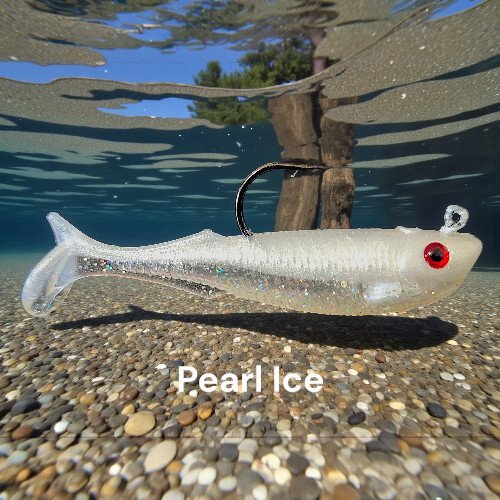
One interesting characteristic of Lake Jackson is the preference many local anglers express for light-colored soft plastics. At Great Outdoors Shops, we’ve heard repeated recommendations for solid white, pearl, and chartreuse worms, jerkbaits, and swimbaits from anglers who fish this lake.
In this guide, we’ll explore Lake Jackson’s fishing habitat, where bass may hold, effective fishing techniques, seasonal patterns, panfish opportunities, public access, and locally favored bait selections.
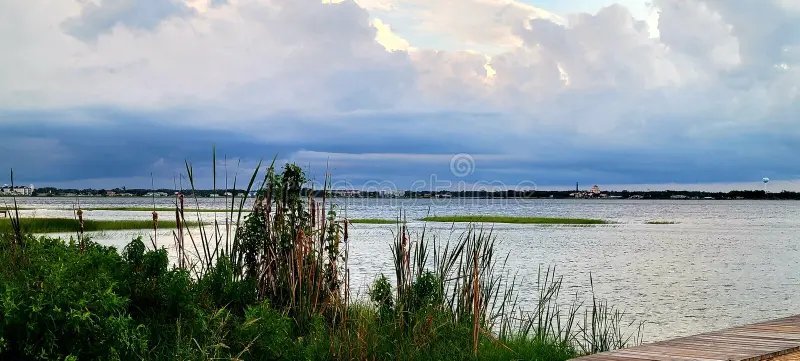
Understanding Lake Jackson's Fishing Habitat
Lake Jackson offers a combination of shoreline cover and open-water fishing opportunities. Although it is surrounded by much of Sebring’s developed shoreline, anglers can still find a variety of habitat features that influence where fish feed, travel, and seek cover.
Learning to recognize these features is more useful than simply choosing a promising-looking shoreline and casting randomly.
Residential Docks and Shaded Cover
Docks are among Lake Jackson’s most recognizable fishing features. Their pilings, platforms, and shaded areas create places where baitfish may gather and largemouth bass can position themselves to feed.
Not every dock will produce fish. Pay particular attention to docks near vegetation, changes in water depth, or other shoreline features.
During bright conditions, shaded areas may be especially worth investigating. Weightless soft plastics, small swimbaits, and soft-plastic jerkbaits allow anglers to work around docks without relying on heavy presentations.
Submerged Vegetation and Grass Transitions
Submerged vegetation provides cover for fish and habitat for the aquatic organisms they feed on.
Rather than concentrating exclusively on thick grass, look for irregular edges, openings, isolated patches, and transitions between vegetation and open water.
A vegetation edge bordering deeper water can be particularly interesting because bass can move between cover and nearby depth changes.
Soft-plastic jerkbaits and paddle-tail swimbaits can be worked along these edges, while Texas-rigged worms offer a slower presentation when fish are holding close to cover.
Sandy Bottom and Shoreline Transitions
Lake Jackson has sandy shoreline areas that provide a different fishing environment from dense vegetation or dock cover.
Changes between sand, vegetation, and other bottom features are worth exploring because they create identifiable transitions.
During spawning periods, suitable protected areas with firm bottom may attract bass and panfish.
Anglers should pay attention to water clarity, depth, and nearby cover rather than assuming every sandy area will hold fish.
Offshore Depth Changes and Structure
Lake Jackson also offers opportunities away from the immediate shoreline.
Points, underwater contour changes, isolated cover, and areas where baitfish concentrate can provide potential fishing locations.
Electronics can help identify these features, particularly when shallow fishing becomes less productive.
When exploring offshore structure, look for combinations of depth changes, cover, and fish activity. Finding an underwater feature is useful, but locating active fish is what makes it worth fishing.
Water Clarity and Presentation
Lake Jackson’s relatively clear water can influence how anglers approach fish.
Longer casts, quieter boat positioning, and natural lure movement may be useful when fish are easily disturbed.
However, clearer water does not automatically mean anglers must use dark or translucent baits. Local fishermen have repeatedly mentioned success with solid white, pearl, and chartreuse soft plastics.
Those observations are worth considering alongside the day’s light conditions, available forage, fishing pressure, and the depth being targeted.
Where Bass Hold on Lake Jackson
Finding largemouth bass on Lake Jackson often comes down to identifying where cover, depth changes, and available forage come together. The lake’s residential docks, submerged vegetation, sandy bottom, and offshore structure provide several different environments for bass throughout the year.
Rather than fishing every stretch of shoreline the same way, look for areas where habitat features intersect. A dock near submerged grass, a vegetation edge bordering deeper water, or an underwater point with nearby cover can be more interesting than an isolated feature.
Here are five types of locations worth investigating when bass fishing on Lake Jackson.
1. Residential Docks and Shaded Areas
Residential docks are among the most obvious places to begin searching for bass on Lake Jackson. Dock pilings, shaded areas, and nearby vegetation can provide cover and attract baitfish.
Pay particular attention to docks that extend toward deeper water or have submerged vegetation nearby. These locations offer bass multiple types of habitat within a relatively small area.
How to fish them:
Start by casting along the outside edges of the dock before working into accessible shaded areas. A weightless stick worm or soft-plastic jerkbait can be an excellent presentation.
Allow a weightless worm to fall naturally alongside pilings or shaded edges. With a jerkbait, experiment with short twitches followed by pauses.
Solid white or pearl soft plastics are worth trying here, particularly given their popularity among local Lake Jackson anglers.
Always respect private property and avoid casting onto docks, boats, or other structures.
2. Submerged Grass Edges and Open Pockets
Submerged vegetation provides cover for bass and habitat for the baitfish and other aquatic organisms they feed on.
Instead of fishing only the thickest grass, concentrate on irregular edges, openings, isolated patches, and places where vegetation transitions into deeper water.
These features create opportunities for bass to position themselves near passing forage.
How to fish them:
A paddle-tail swimbait retrieved parallel to a grass edge is a useful way to cover water.
Soft-plastic jerkbaits can be worked over submerged vegetation or through open pockets using a twitch-and-pause retrieve.
When bass are holding tightly to cover, switch to a Texas-rigged worm and slow the presentation.
White, pearl, and chartreuse are all reasonable colors to experiment with based on local angler recommendations.
3. Sandy Bottom and Vegetation Transitions
Lake Jackson’s sandy areas provide a contrast to its vegetated shoreline habitat.
A stretch of open sand may offer relatively little cover by itself, but the transition between sand and vegetation creates a more defined fishing target.
These transitions can be especially interesting when they occur near docks, points, or changes in water depth.
How to fish them:
Work a lightly weighted Texas-rigged worm along the boundary between sand and vegetation.
A weightless stick worm can also be effective when allowed to fall naturally near isolated cover.
During spawning periods, investigate suitable protected areas with firm bottom, while avoiding unnecessary disturbance of actively spawning fish.
Pay attention to subtle changes in bottom composition. Sometimes the most useful feature is not a large structure but a small transition that other anglers overlook.
4. Points and Offshore Depth Changes
Although much of the visible fishing activity takes place along Lake Jackson’s shoreline, offshore areas should not be overlooked.
Underwater points, contour changes, and isolated structure can provide locations where bass travel or position themselves to feed.
These areas become particularly worth investigating when shallow-water fishing slows or when electronics reveal concentrations of baitfish.
How to fish them:
Use sonar or a contour map to identify promising depth changes.
Start near the shallower portion of a point and gradually work toward deeper water.
Texas-rigged worms, bottom-contact jigs, and finesse presentations allow anglers to explore different depths.
When fish appear to be actively feeding, a swimbait retrieved at the appropriate depth may be another option.
Avoid spending too much time on structure that shows no signs of fish activity. The presence of baitfish, nearby cover, and changing conditions can help determine whether a location deserves additional attention.
5. Shallow Shoreline Feeding Areas
Shallow shoreline areas can produce bass when weather, water temperature, and feeding conditions encourage fish to move toward the bank.
Protected pockets, vegetation openings, and shorelines with nearby deeper water are logical places to investigate.
Early mornings, low-light conditions, and warming trends may create opportunities for shallow-water fishing.
How to fish them:
Begin with a moving presentation such as a soft-plastic jerkbait or paddle-tail swimbait to cover water.
If bass follow the lure without striking, slow down and try a weightless worm.
Pay attention to visible baitfish activity, surface disturbances, and isolated cover.
A solid white or pearl jerkbait is a worthwhile starting presentation, especially considering the preferences reported by anglers familiar with Lake Jackson.
A Practical Strategy for Fishing Lake Jackson
If you’re unfamiliar with Lake Jackson, start by selecting a shoreline area that combines docks, submerged vegetation, and access to deeper water.
Fish the outside edges of the cover first, then work more carefully around shaded areas, vegetation openings, and other irregular features.
Begin with a moving bait to locate active fish. If the fish are reluctant to chase, switch to a slower worm presentation.
As conditions change, consider moving offshore to investigate points and depth transitions.
The goal is to develop a pattern based on what the fish are doing that day rather than assuming one technique or location will always produce results.
Lake Jackson Bass Fishing: Why Local Anglers Favor Light-Colored Baits
Ask anglers who regularly fish Lake Jackson about their favorite soft-plastic colors, and an interesting pattern emerges. At Great Outdoors Shops, we’ve repeatedly heard recommendations for solid white, pearl, and chartreuse baits, particularly when discussing worms, soft-plastic jerkbaits, and swimbaits.
These aren’t necessarily the colors every angler would associate with traditional Florida bass fishing. Darker colors such as black, junebug, and green pumpkin remain popular throughout the state. However, local fishing experience is worth paying attention to, especially when similar recommendations come from multiple anglers familiar with the same lake.
The preference we’ve heard is primarily for solid, opaque colors, rather than translucent or lightly tinted plastics.
That doesn’t mean light colors will outperform every other option. Water clarity, sunlight, forage, fishing pressure, and presentation can all influence how bass respond. But if you’re putting together a tackle selection specifically for Lake Jackson, solid white, pearl, and chartreuse deserve consideration.
Solid White: A Versatile Starting Point
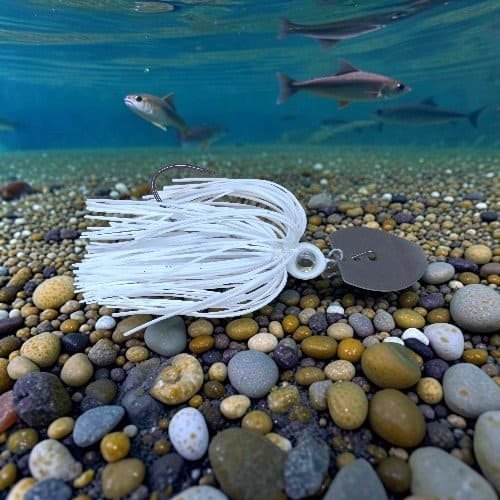
Solid white is one of the colors Lake Jackson anglers have mentioned most frequently.
In a soft-plastic jerkbait or paddle-tail swimbait, white creates a noticeable profile that can resemble the general appearance of light-colored baitfish. Its visibility also makes it easier for anglers to follow the lure in relatively clear water.
Where to try solid white:
Along submerged vegetation edges and open grass pockets.
Around residential docks and shaded shoreline cover.
Across shallow areas where bass may be feeding on baitfish.
Near points and other transitions where fish are actively moving.
For soft-plastic jerkbaits, experiment with two or three short twitches followed by a pause. A white bait can be particularly useful when you want to watch how fish respond to changes in retrieve speed.
Solid white worms are also worth trying, especially when fishing slowly around docks, isolated cover, and vegetation transitions.
Pearl: A Subtle Alternative to Bright White
Opaque pearl offers another light-colored option without necessarily producing the same stark appearance as a bright, solid white bait.
Depending on the formulation, pearl may have a soft sheen that changes slightly as the lure moves through the water.
Local anglers have mentioned pearl among their preferred Lake Jackson colors, making it a logical alternative when experimenting with light-colored presentations.
Where to try pearl:
Around docks and shoreline structure.
Along submerged grass edges.
In relatively clear water when a less visually stark presentation is desired.
When retrieving swimbaits through areas where baitfish are present.
A pearl paddle-tail swimbait retrieved steadily along a vegetation edge is a reasonable starting presentation.
With a soft-plastic jerkbait, vary the length of your pauses and pay attention to whether bass strike during movement or while the lure is falling.
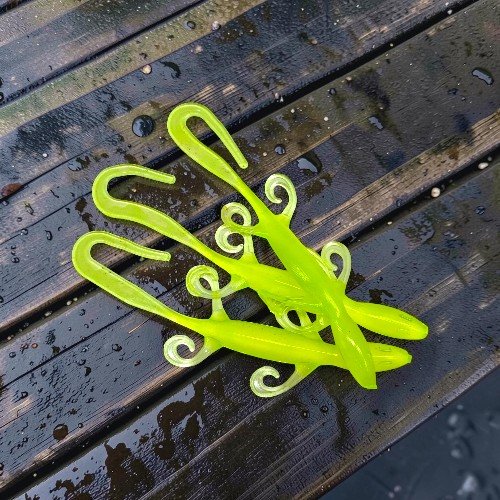
Chartreuse: A High-Visibility Option
Chartreuse provides a different appearance from white and pearl.
Its bright color can make a lure highly visible, depending on water clarity, lighting, and depth. That visibility may help an angler track a lure and observe how fish react to it.
Chartreuse is another color that Lake Jackson anglers have specifically mentioned when discussing their preferred soft plastics.
Where to try chartreuse:
Along vegetation edges and openings.
When experimenting with faster-moving presentations.
Under changing light or water-visibility conditions.
In areas where bass are actively chasing baitfish.
A chartreuse soft-plastic jerkbait can be worked with a twitch-and-pause retrieve, while a chartreuse swimbait allows anglers to cover water at a controlled depth.
For worms, consider experimenting with chartreuse around visible cover or vegetation transitions before switching to a slower, less conspicuous presentation if necessary.
Choosing Between Worms, Jerkbaits, and Swimbaits
Color is only part of the decision. The lure’s profile, movement, and depth are equally important.
Soft-plastic worms: A useful choice when bass are holding close to docks, grass, or bottom transitions. Weightless and Texas-rigged presentations allow anglers to slow down and work specific targets.
Soft-plastic jerkbaits: Particularly useful for covering shallow water, working above submerged vegetation, and fishing around docks. Their darting movement and pauses allow anglers to imitate an injured or fleeing baitfish.
Paddle-tail swimbaits: A practical option for covering water along grass edges, points, and open shoreline areas. Retrieve speed and rigging weight can be adjusted to target different depths.
If bass are actively chasing forage, begin with a jerkbait or swimbait. When fish are reluctant to chase, a slower worm presentation may be more appropriate.
What Local Fishing Experience Tells Us
The most useful lesson from Lake Jackson’s light-colored bait preferences isn’t that one color is always best.
It’s that anglers who spend time on a particular lake often develop preferences based on repeated fishing experiences.
At Great Outdoors Shops, we value those observations because they help us understand what local fishermen actually use and recommend.
If you’re fishing Lake Jackson for the first time, consider bringing a small selection of solid white, pearl, and chartreuse soft plastics in several profiles.
Start with the color and presentation that best match the conditions, then adjust based on fish activity.
Local tip: When comparing lure colors, try to keep the bait profile, rigging, and retrieve reasonably consistent. Changing everything at once makes it difficult to determine whether color or presentation influenced the result.
Best Bass Fishing Techniques for Lake Jackson
Successful bass fishing on Lake Jackson often requires adjusting your presentation to the available cover, water conditions, and activity level of the fish.
The lake’s residential docks, submerged vegetation, sandy bottom transitions, and offshore depth changes create opportunities for several different fishing techniques.
While local anglers frequently recommend solid white, pearl, and chartreuse soft plastics, choosing the right lure is only part of the equation. How you rig it, where you cast, and how you retrieve it can make an even greater difference.
The following techniques provide a practical starting point for targeting Lake Jackson largemouth bass.
1. Weightless Soft-Plastic Jerkbaits
A weightless soft-plastic jerkbait is one of the most versatile presentations for exploring Lake Jackson’s shallow-water habitat.
Its darting movement can imitate a fleeing or injured baitfish, while its ability to glide and pause makes it useful around vegetation and shoreline cover.
Recommended setup:
Bait: 3.75- to 5-inch soft-plastic jerkbait.
Hook: 3/0 to 5/0 extra-wide-gap (EWG) hook, matched to the bait’s thickness.
Rigging: Texas-style, weightless, with the hook point lightly skin-hooked when fishing vegetation.
Line: 10–15 lb fluorocarbon or braid with an appropriate leader, depending on cover and fishing conditions.
How to fish it:
Cast beyond a grass edge, dock, or other target and allow the bait to settle briefly.
Use two or three short rod-tip twitches to make the jerkbait dart from side to side. Follow with a pause, allowing the bait to glide or sink naturally.
Experiment with pause length. When fish are aggressive, a quicker retrieve may trigger strikes. When fish follow without committing, longer pauses may help.
Lake Jackson tip: Start with solid white or opaque pearl, two colors frequently recommended by local anglers. Work the bait along grass openings, dock edges, and shallow shoreline transitions.
2. Weightless Stick Worms Around Docks and Cover
A weightless stick worm is an excellent choice when bass are holding close to cover or showing little interest in faster-moving presentations.
Its slow, natural fall allows anglers to thoroughly fish a specific target without constantly moving the lure away from the strike zone.
Recommended setup:
Bait: 5-inch stick worm.
Hook: 3/0 or 4/0 EWG or offset worm hook, depending on bait thickness.
Rigging: Weightless Texas rig for vegetation and cover; wacky rig where snagging is less of a concern.
Line: 10–15 lb fluorocarbon or an appropriate braided-line setup.
How to fish it:
Cast alongside dock pilings, grass openings, or isolated shoreline cover.
Allow the worm to fall on a controlled slack line, watching carefully for movement that may indicate a strike.
Once the bait reaches the desired depth, lift it gently and allow it to fall again.
Avoid constantly shaking or moving the worm. Often, the most productive part of a weightless presentation is the fall.
Lake Jackson tip: Experiment with solid white or chartreuse worms where those colors have been recommended locally. If fish are reluctant to bite, compare them with a more traditional natural or dark-colored worm.
3. Texas-Rigged Worms Along Vegetation and Bottom Transitions
A Texas-rigged worm is particularly useful when bass are holding near submerged grass, bottom irregularities, or cover that makes exposed-hook presentations difficult.
Adding a bullet weight allows anglers to reach deeper water and maintain contact with the bottom.
Recommended setup:
Bait: 6- to 10-inch straight-tail or ribbon-tail worm.
Hook: 3/0 to 5/0 offset or EWG worm hook, matched to the bait.
Weight: Start with a 1/8- to 1/4-ounce bullet weight, adjusting for depth, wind, and vegetation.
Rigging: Texas rig with the hook point protected by the bait.
How to fish it:
Cast toward a vegetation edge, sandy bottom transition, or underwater point.
Allow the worm to reach the bottom, then slowly lift the rod tip and let the bait settle again.
Alternate between dragging, short hops, and pauses to determine which movement produces strikes.
If the worm repeatedly catches vegetation, consider adjusting the weight or working along the outside edge rather than directly through the thickest cover.
Lake Jackson tip: Focus on transitions where submerged vegetation meets sand or deeper water. These areas offer a defined target that can be worked carefully with a bottom-contact presentation.
4. Paddle-Tail Swimbaits for Covering Water
Paddle-tail swimbaits are useful when bass are actively feeding or when anglers need to search larger areas for fish.
Their swimming action allows them to be retrieved through open water, along vegetation edges, and near shoreline structure.
Recommended setup:
Bait: 3.5- to 5-inch paddle-tail swimbait.
Hook: Weighted swimbait hook for fishing around vegetation, or an appropriately sized jighead for open water.
Weight: Approximately 1/8 to 1/4 ounce as a starting point, adjusted for bait size and target depth.
Retrieve: Slow to moderate, maintaining the desired swimming depth.
How to fish it:
Cast parallel to a vegetation edge or across an area where baitfish are present.
Begin with a steady retrieve that allows the paddle tail to move naturally.
If bass are following without striking, experiment with brief pauses or changes in speed.
Keep the bait just above submerged vegetation when possible, rather than allowing it to bury itself in the grass.
Lake Jackson tip: Solid white and pearl swimbaits are logical starting choices based on local angler preferences. Chartreuse provides another option when experimenting with lure visibility.
5. Swim Jigs Along Grass and Shoreline Cover
A swim jig provides another way to cover water while working around vegetation and scattered shoreline cover.
Unlike a traditional bottom-contact jig, a swim jig is generally retrieved through the water column, allowing its skirt and trailer to move continuously.
Recommended setup:
Jig: 1/4- to 3/8-ounce swim jig.
Trailer: Compact paddle-tail swimbait, craw-style trailer, or other compatible soft plastic.
Line: Appropriate fluorocarbon or braided line based on vegetation density and cover.
Retrieve: Steady swimming motion with occasional changes in speed.
How to fish it:
Cast along vegetation edges, through open lanes, or past isolated patches of cover.
Retrieve the jig just fast enough to keep it moving above or through the vegetation.
Occasionally allow the jig to contact grass, then gently lift or accelerate it free.
This change in movement can sometimes trigger a reaction strike.
Lake Jackson tip: Use a swim jig to explore grass transitions when a swimbait alone isn’t producing. Experiment with a light-colored trailer to complement the local preference for white, pearl, and chartreuse.
6. Slower Presentations for Deeper or Less Active Bass
Not every productive Lake Jackson fishing location will be shallow, and not every bass will respond to moving baits.
When fish are holding near offshore depth changes or appear reluctant to chase a lure, slower presentations may be worth trying.
A finesse worm, lightly weighted Texas rig, or drop-shot presentation can help anglers keep a bait in a smaller area for a longer period.
How to fish it:
Use electronics or a reliable contour map to locate depth transitions, points, or concentrations of baitfish.
Position the boat to cast across the structure rather than drifting directly over the target.
Work the bait slowly, maintaining enough contact to recognize bottom changes and subtle strikes.
Experiment with shorter movements and longer pauses before changing locations.
Lake Jackson tip: Don’t assume that a lack of shallow-water strikes means bass aren’t feeding. They may simply be holding at a different depth or responding to a slower presentation.
Putting These Techniques Together
If you’re fishing Lake Jackson without an established pattern, begin with a simple approach:
Search with a moving bait. Use a soft-plastic jerkbait or paddle-tail swimbait along grass edges and shoreline cover.
Slow down around promising targets. Fish a weightless stick worm near docks, isolated vegetation, or areas where you’ve seen bass activity.
Work bottom transitions. Use a Texas-rigged worm around sand-to-grass boundaries and nearby depth changes.
Explore deeper water when necessary. Investigate offshore structure with slower bottom-contact presentations.
Change one variable at a time. Adjust retrieve speed, depth, lure profile, or color to determine what produces a response.
Lake Jackson offers enough habitat variety that no single technique should be expected to work every day.
The key is to recognize the conditions, select a presentation suited to the cover, and make adjustments based on what the fish are telling you.
THE BAITLICIOUS PICK
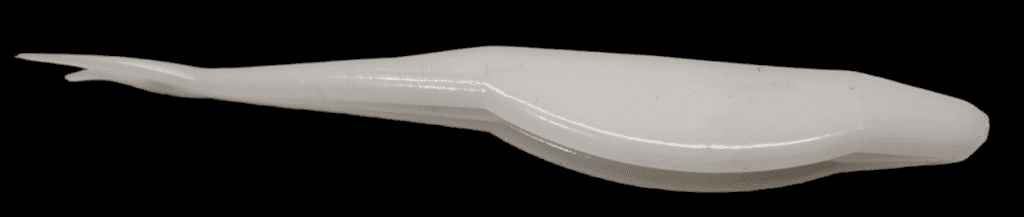
Baitlicious Twitch 4.75"
A versatile soft-plastic jerkbait for working Lake Jackson’s grass edges, docks, and shallow cover. Fish it weightless with a twitch-and-pause retrieve, and experiment with the solid light colors favored by local anglers.
Seasonal Fishing Patterns on Lake Jackson
Lake Jackson offers year-round bass fishing opportunities, but seasonal changes influence where fish hold, how actively they feed, and which presentations are worth trying.
Unlike lakes in northern states, Central Florida waters rarely experience prolonged periods of extreme cold. Bass may remain active throughout the winter, and spawning activity can begin well before the traditional spring fishing season.
Water temperature, weather patterns, and available forage are often more useful indicators than the calendar alone.
Understanding these seasonal changes can help anglers make better decisions when choosing fishing locations and tackle.
Winter Bass Fishing: December Through February
Winter can be an interesting time to fish Lake Jackson, particularly during extended periods of stable or warming weather.
Cold fronts may temporarily slow bass activity and encourage fish to hold closer to cover or move toward more stable water temperatures.
However, several warm days can encourage bass to become more active and explore shallower areas.
Winter is also an important period because Florida bass may begin moving toward spawning habitat as conditions become favorable.
Where to look for bass:
Vegetation edges near deeper water.
Docks with nearby depth changes.
Protected shorelines receiving afternoon sunlight.
Points and underwater structure.
Potential spawning areas during sustained warming trends.
Recommended techniques:
Begin with a slowly worked Texas-rigged worm or weightless stick worm around cover.
When conditions improve, experiment with a soft-plastic jerkbait along vegetation edges and protected shoreline areas.
A solid white or pearl Twitch jerkbait is worth trying during warming trends, particularly when bass begin moving into shallower water.
Lake Jackson winter tip: Pay attention to several days of weather rather than a single warm afternoon. A stable warming trend may provide a more useful indication of changing fish activity.
Spring Bass Fishing: March Through May
Spring is an important period for bass fishing throughout Central Florida, although spawning activity on Lake Jackson may begin during winter when conditions are suitable.
As water temperatures warm, bass may move toward protected shallow areas with suitable bottom conditions and nearby cover.
Some fish may already be finished spawning while others are still preparing to spawn. This means anglers can encounter different patterns during the same fishing trip.
After spawning, bass may remain near shoreline vegetation or move toward nearby feeding areas and deeper structure.
Where to look for bass:
Protected shallow shoreline pockets.
Sandy bottom near vegetation.
Docks and isolated shoreline cover.
Grass edges near spawning areas.
Points and nearby depth transitions.
Recommended techniques:
Weightless stick worms are useful for working slowly around shallow cover.
Soft-plastic jerkbaits can be worked over submerged vegetation and along shoreline transitions.
Paddle-tail swimbaits provide an option for searching larger areas when bass are actively feeding.
When fish are holding close to cover, slow down with a Texas-rigged worm.
Lake Jackson spring tip: Don’t assume all bass spawn at the same time. Water temperature, weather, and habitat conditions can create overlapping pre-spawn, spawning, and post-spawn activity.
When encountering bedding fish, minimize disturbance and handle any caught fish carefully so they can be released promptly.
Summer Bass Fishing: June Through August
Summer brings warmer water, longer days, and increased recreational boating activity on Lake Jackson.
Bass remain catchable, but their locations and feeding behavior may change as water temperatures rise.
During bright, hot conditions, shaded cover, vegetation, and suitable deeper areas may become more attractive fishing targets.
Early mornings and evenings can provide opportunities to target fish feeding in shallower water.
However, midday fishing should not automatically be dismissed. Bass may still feed around docks, vegetation, and other cover when the presentation is appropriate.
Where to look for bass:
Shaded residential docks.
Submerged vegetation and grass edges.
Openings within thicker vegetation.
Offshore depth changes with baitfish activity.
Shallow feeding areas during low-light periods.
Recommended techniques:
Start early with a paddle-tail swimbait or soft-plastic jerkbait to cover water.
As sunlight increases, work weightless stick worms around shaded docks and vegetation openings.
Texas-rigged worms can help reach bass holding deeper in cover or near bottom transitions.
When offshore fish are located, experiment with slower bottom-contact presentations.
Lake Jackson summer tip: Recreational boat traffic can influence where and how comfortably anglers fish. Early morning trips may offer quieter conditions, especially around popular shoreline areas.
Summer thunderstorms can develop quickly in Central Florida. Monitor the weather and leave the water when lightning threatens.
Fall Bass Fishing: September Through November
Fall brings gradually changing weather conditions to Highlands County, although warm temperatures can persist well into the season.
As water temperatures moderate, bass may become more willing to chase moving presentations, particularly where baitfish are concentrated.
Vegetation edges, points, and shoreline transitions can provide productive areas to investigate.
Fall is also a good time to experiment with different lure profiles and retrieve speeds rather than concentrating exclusively on slow presentations.
Where to look for bass:
Vegetation edges bordering open water.
Points and underwater depth transitions.
Shoreline areas with visible baitfish activity.
Docks near feeding areas.
Isolated cover along travel routes.
Recommended techniques:
Paddle-tail swimbaits are useful for searching vegetation edges and open-water transitions.
Soft-plastic jerkbaits allow anglers to imitate baitfish with an erratic twitch-and-pause retrieve.
Swim jigs provide another moving presentation around grass and scattered cover.
When bass stop chasing, return to a weightless worm or slower Texas-rigged presentation.
Lake Jackson fall tip: Watch for baitfish activity rather than assuming bass will be in the same locations they occupied during summer.
Solid white and pearl swimbaits or jerkbaits are logical options to test when bass appear to be feeding on baitfish.
Why Water Temperature Matters More Than the Calendar
The dates associated with each fishing season are useful guidelines, but bass respond to conditions rather than calendar months.
A warm January may produce shallow-water activity normally associated with spring. A strong cold front in March can temporarily change fish behavior, even during the spawning season.
Water temperature also influences spawning activity. Florida bass generally begin spawning when conditions reach suitable temperatures, often around the mid-60s to low-70s Fahrenheit.
For anglers fishing Lake Jackson, a simple water-temperature reading can provide useful information when combined with recent weather, water clarity, and visible fish activity.
Rather than choosing a technique solely because it’s spring, summer, fall, or winter, consider three questions:
Where are the fish likely to be holding? Look at cover, depth, sunlight, and recent weather.
How actively are they feeding? Use moving presentations to locate active bass and slower presentations when necessary.
What adjustments are producing results? Experiment with lure depth, retrieve speed, profile, and color.
Learning to recognize these changes will help anglers develop more consistent fishing patterns throughout the year.
Local takeaway: Lake Jackson’s solid white, pearl, and chartreuse bait preferences provide a useful starting point in any season, but matching the presentation to the conditions remains the priority.
Crappie, Bluegill & Shellcracker Fishing on Lake Jackson
Largemouth bass may receive much of the attention on Lake Jackson in Sebring, but anglers interested in smaller freshwater species have additional fishing opportunities to explore.
Bluegill, redear sunfish (commonly called shellcracker), and crappie are popular targets in Central Florida. Each species responds to different habitat, feeding conditions, and presentations, making panfish fishing an enjoyable alternative to bass fishing.
Whether you’re fishing from a boat, kayak, or a publicly accessible shoreline, light tackle and smaller baits can provide an entirely different fishing experience.
Crappie Fishing: Finding Speckled Perch
Black crappie, commonly called speckled perch or simply “specks” in Florida, are a favorite among anglers who enjoy fishing small jigs and live minnows.
Unlike bluegill, which often remain associated with shallow shoreline habitat, crappie frequently travel in schools and may suspend in open water or hold near submerged structure.
During cooler months, crappie can move toward shallower vegetation and suitable spawning areas. At other times, finding the right depth can be more important than finding visible shoreline cover.
Where to look for crappie:
Offshore areas where baitfish are concentrated.
Submerged structure and brush where present.
Depth changes bordering open water.
Vegetation edges during cooler months.
Areas where sonar reveals suspended schools of fish.
Recommended techniques:
Small jigs are a practical starting point. Try a 1/32- to 1/16-ounce jighead paired with a compact soft-plastic grub or minnow-style bait.
Allow the jig to sink to the desired depth, then retrieve it slowly and steadily. Small changes in retrieve speed or depth can make a difference.
Live minnows suspended beneath a float are another traditional crappie presentation.
When fishing from a boat, use electronics to search for suspended fish and baitfish concentrations. Crappie may be holding several feet above the bottom, so dragging a lure directly along the lakebed isn’t always the best approach.
Lake Jackson tip: During cooler weather, investigate vegetation edges and nearby depth changes. If you’re not finding fish, experiment with different depths before abandoning a promising area.
Bluegill Fishing: A Great Option for Light-Tackle Anglers
Bluegill are among Florida’s most familiar freshwater panfish and can provide enjoyable fishing for beginners and experienced anglers alike.
Their willingness to strike small baits makes them a good target for anglers using ultralight spinning tackle, cane poles, or simple float rigs.
Bluegill commonly feed on insects, larvae, and other small aquatic organisms. They may gather around vegetation, shoreline cover, and suitable spawning habitat.
Where to look for bluegill:
Submerged vegetation near the shoreline.
Openings and edges in aquatic grass.
Shallow areas with suitable spawning bottom.
Accessible shoreline cover.
Slightly deeper water when shallow fish are inactive.
Recommended techniques:
A small hook baited with a cricket or piece of worm beneath a float is a dependable bluegill presentation.
Adjust the depth so the bait hangs near the fish rather than automatically placing it on the bottom.
Small soft-plastic grubs and compact jigs also provide an effective artificial-lure alternative.
A 1/32-ounce jighead paired with a 2-inch soft plastic is a reasonable starting point when conditions allow.
Use a slow retrieve with occasional pauses, particularly when working around vegetation or other cover.
Lake Jackson tip: If you’re fishing from shore, begin by working the edges of accessible vegetation and visible cover. Move gradually and adjust the float depth until you locate fish.
Shellcracker Fishing: Targeting Redear Sunfish
Redear sunfish, better known throughout Florida as shellcracker, offer a different panfish fishing experience.
These fish are especially associated with bottom-oriented feeding, including snails and other aquatic invertebrates.
Shellcracker often favor firm-bottom areas and may hold somewhat deeper than bluegill, although their locations change with spawning activity and seasonal conditions.
During favorable spring conditions, redear sunfish may move into suitable shallow areas to spawn.
Where to look for shellcracker:
Sandy or firm-bottom areas.
Bottom transitions near vegetation.
Suitable shallow spawning habitat.
Areas where aquatic invertebrates are available.
Slightly deeper bottom structure outside spawning periods.
Recommended techniques:
Small pieces of earthworm or red wiggler fished near the bottom are among the traditional choices for shellcracker.
Use a small hook with enough weight to maintain contact with the bottom without creating an unnecessarily heavy presentation.
A sensitive float can also be useful when fishing shallow areas.
Artificial presentations may produce fish, but a slowly worked small jig or soft plastic should be kept close to the bottom when targeting redear.
Lake Jackson tip: When searching for shellcracker, pay attention to bottom composition. A firm-bottom area near vegetation may be more promising than an extensive stretch of featureless soft bottom.
Small Soft Plastics for Lake Jackson Panfish
Artificial lures provide an enjoyable alternative to live bait, particularly when anglers want to cover water and locate active fish.
At Great Outdoors Shops, our Baitlicious panfish collection includes several compact soft plastics suited to light-tackle fishing:
Slab Snack 2″ — A small soft-plastic option worth experimenting with when targeting crappie or other panfish using light jigheads.
Dock Candy 2″ — A twin-tail grub that can be retrieved slowly around vegetation edges, shoreline cover, and other panfish habitat.
Panfish Nibble 2″ — A single-tail grub that provides a compact presentation for bluegill, crappie, and other small freshwater species.
Each comes in a 20-count package, making it easy to carry several colors and experiment with different presentations.
For most panfish applications, begin with a small jighead matched to the bait, the target depth, and the conditions. A lighter jighead generally allows a slower fall, while additional weight can help when fishing deeper water or in wind.
The goal is to keep the bait within the fish’s feeding zone while maintaining enough control to detect subtle strikes.
When Is the Best Time to Fish for Panfish?
Panfish can be targeted throughout the year, but seasonal patterns influence where anglers should look.
Winter: Cooler conditions can provide opportunities for crappie fishing. Search different depths and investigate areas near submerged cover and vegetation.
Spring: Warming water encourages spawning activity among bluegill and shellcracker. Protected areas with suitable bottom conditions become worth investigating.
Summer: Early mornings and evenings can offer comfortable fishing conditions. During hot afternoons, look for shaded cover, vegetation, or deeper areas.
Fall: Moderate temperatures can create opportunities for multiple panfish species. Continue searching vegetation edges, bottom transitions, and areas with available forage.
These patterns are general guidelines rather than fixed schedules. Weather, water temperature, and local conditions can shift fish activity from week to week.
A Simple Panfish Setup for Lake Jackson
You don’t need an elaborate tackle collection to enjoy panfish fishing.
A 5- to 7-foot ultralight or light spinning rod, a small spinning reel, and 4- to 6-pound monofilament line provide a versatile starting combination.
Carry a selection of small jigheads, hooks, split shot, and floats. Add a few compact soft plastics, along with crickets, worms, or minnows when appropriate for the species you’re targeting.
For beginners, a small float rig is often the easiest way to start. More experienced anglers may prefer casting and retrieving tiny jigs to cover water and locate fish.
Local fishing takeaway: Lake Jackson offers opportunities beyond largemouth bass. Learning to recognize the differences between crappie, bluegill, and shellcracker habitat can help anglers enjoy more productive and varied fishing trips.
Lake Jackson Boat Ramps & Public Fishing Access
Lake Jackson’s location in the heart of Sebring makes it convenient for anglers who want to fish from a boat or enjoy a few hours along the shoreline.
However, not every public waterfront location provides the same type of access. Some areas are designed for launching boats, while others are primarily swimming beaches, fishing piers, or recreational parks.
Knowing the difference can save time when planning a fishing trip.
Veterans Beach Park & Public Boat Ramp
Location: Lakeview Drive, Sebring, FL 33870
Access type: Public boat ramp, beach, and recreational park
Veterans Beach Park is the primary public boat-launch facility for Lake Jackson.
Located along the lake’s western shoreline, the park provides a convenient starting point for anglers launching bass boats, fishing boats, and other suitable watercraft.
The facility features a double boat ramp, making it useful for anglers towing boats on trailers.
Additional park amenities include restrooms, picnic areas, a playground, and a public swimming beach.
Fishing access tips:
Prepare your boat and equipment before approaching the ramp.
Be considerate of other boaters during busy launching periods.
Watch for swimmers and recreational watercraft near the beach.
Check water levels and ramp conditions before launching.
Use caution when navigating unfamiliar shallow areas.
Lake Jackson is popular for both fishing and recreational boating, so anglers may encounter increased activity on weekends and holidays.
Local tip: Early morning launches can provide an opportunity to begin fishing before the busiest recreational boating periods.
City Pier Beach & Lake Jackson Fishing Pier
Location: 351 W Center Avenue, Sebring, FL 33870
Access type: Public fishing pier, shoreline recreation, and swimming beach
City Pier Beach is located just west of downtown Sebring and provides one of Lake Jackson’s most recognizable public waterfront destinations.
Unlike Veterans Beach, City Pier Beach is not a conventional boat-launch facility.
Instead, it offers public fishing opportunities from the pier, along with a beach, picnic facilities, restrooms, and recreational space.
The fishing pier makes this location especially useful for anglers who do not own a boat or prefer a convenient shoreline fishing experience.
Fishing opportunities:
Anglers can experiment with small jigs, live bait, and other light-tackle presentations for panfish.
For bass, consider casting toward appropriate open-water areas or visible habitat features within reach of the pier, while avoiding swimmers and other visitors.
A small float rig with a cricket or worm provides a simple starting presentation for families and beginners.
Local tip: City Pier Beach is a practical choice for anglers who want to spend a few hours fishing without launching a boat.
Other Public Shoreline Areas
Lake Jackson also has smaller public beach areas, including Crescent Beach and Hidden Beach.
These locations provide additional opportunities to enjoy the waterfront, but they should not be confused with established public boat ramps or dedicated fishing piers.
Shoreline fishing suitability, parking availability, and posted restrictions can vary by location.
Before planning a fishing trip around one of these smaller access areas, verify current public access rules and whether fishing is permitted in the specific area you intend to use.
Lake Jackson Boat Ramp & Fishing Access Map
Use the interactive map below to locate Lake Jackson’s public boat ramp and fishing pier in Sebring.
The map identifies the primary boat-launch facility at Veterans Beach and public pier fishing access at City Pier Beach.
Select a marker to view its location and access information.
Important: Public access conditions, parking restrictions, and facility availability can change. Check with the City of Sebring before traveling if you need to confirm specific facilities or launching arrangements.
Planning a Fishing Trip to Lake Jackson
If you’re bringing a trailered fishing boat, Veterans Beach is the established public launching location to investigate.
If you’re fishing without a boat, City Pier Beach provides a more convenient starting point.
For kayak anglers, Veterans Beach offers an established launching facility, although paddlers should remain alert to boat traffic, wind, and changing weather conditions.
Whichever access point you choose, bring appropriate safety equipment, respect posted rules, and check current Florida freshwater fishing regulations before keeping fish.
Frequently Asked Questions About Fishing Lake Jackson in Sebring, FL
Lorem ipsum dolor sit amet, consectetur adipiscing elit. Ut elit tellus, luctus nec ullamcorper mattis, pulvinar dapibus leo.
Is Lake Jackson in Sebring good for bass fishing?
Lake Jackson offers largemouth bass fishing opportunities throughout the year. Its residential docks, submerged vegetation, shoreline transitions, and offshore depth changes provide different types of habitat for anglers to explore.
Fishing success depends on seasonal conditions, water temperature, available forage, and choosing presentations suited to the habitat.
What are the best bass fishing lures for Lake Jackson?
Soft-plastic jerkbaits, weightless stick worms, Texas-rigged worms, paddle-tail swimbaits, and swim jigs are all useful options.
Soft-plastic jerkbaits and swimbaits can help anglers cover water along grass edges and shoreline cover. Weightless and Texas-rigged worms are good choices when bass are holding near docks, vegetation, or bottom transitions.
What bait colors work best on Lake Jackson?
At Great Outdoors Shops, we’ve repeatedly heard local anglers recommend solid white, opaque pearl, and chartreuse soft plastics for Lake Jackson.
These preferences are particularly common when discussing worms, soft-plastic jerkbaits, and swimbaits.
Although no single color works under every condition, these three colors are worth including in a Lake Jackson tackle selection.
Where do bass hold on Lake Jackson?
Bass may be found around residential docks, submerged vegetation, grass edges, sandy bottom transitions, points, and offshore depth changes.
Look for places where multiple habitat features come together, such as a dock near submerged grass or a vegetation edge bordering deeper water.
Bass locations can change with weather, water temperature, and feeding activity.
What is the best time of year to fish Lake Jackson?
Lake Jackson offers year-round fishing opportunities.
Winter warming trends and spring conditions can encourage bass to move toward shallow spawning habitat. During summer, shaded docks, vegetation, and deeper structure become important areas to investigate.
Fall can provide opportunities to target bass feeding around vegetation edges and baitfish concentrations.
Water temperature and recent weather are generally more useful indicators than the calendar alone.
Where is the public boat ramp on Lake Jackson?
Veterans Beach Park provides the established public boat-launch facility for Lake Jackson in Sebring.
The park includes a double boat ramp and recreational amenities.
Anglers should check current ramp conditions, water levels, and posted rules before launching.
Can you fish from shore at Lake Jackson?
Yes. Lake Jackson Fishing Pier, located at City Pier Beach near downtown Sebring, provides public fishing access without requiring a boat.
The pier is a convenient location for anglers interested in light-tackle fishing and freshwater species such as panfish.
Fishing access at other shoreline parks may vary, so check posted restrictions before fishing.
Can you catch crappie, bluegill, and shellcracker in Lake Jackson?
Lake Jackson offers opportunities to target panfish in addition to largemouth bass.
Anglers can experiment with small jigs, compact soft plastics, live minnows, crickets, and worms, depending on the species.
Crappie may be found around suspended baitfish and submerged structure, while bluegill and shellcracker are often associated with vegetation, suitable bottom habitat, and seasonal spawning areas.
What is a good soft-plastic jerkbait for Lake Jackson?
The Baitlicious Twitch 4.75″ is a soft-plastic jerkbait designed for weightless presentations around vegetation, docks, and shallow cover.
Great Outdoors Shops offers the Twitch in solid white, pearl, and chartreuse, matching three colors frequently recommended by local Lake Jackson anglers.
A twitch-and-pause retrieve is a useful starting technique, with retrieve speed and pause length adjusted to fish activity.
Do I need a Florida fishing license to fish Lake Jackson?
Most anglers need an appropriate Florida freshwater fishing license unless they qualify for an exemption.
License requirements can depend on age, residency, and other circumstances.
Before fishing, check the current Florida Fish and Wildlife Conservation Commission licensing requirements and freshwater fishing regulations.
Local Fishing Tackle & Resources for Lake Jackson Anglers
Planning a fishing trip to Lake Jackson? Having the right tackle and a little local knowledge can make your time on the water more productive.
At Great Outdoors Shops, we’re more than an online fishing tackle retailer. Based in Highlands County, Florida, we manufacture Baitlicious soft-plastic fishing lures, offer handcrafted Buccaneer Bait Co. tackle, and operate a mobile tackle store serving local fishing communities.
We also develop fishing guides for area lakes to help anglers learn about fishing conditions, techniques, public access, and tackle selections.
Baitlicious Soft Plastics for Lake Jackson
Lake Jackson’s docks, submerged vegetation, and shoreline transitions provide opportunities to fish several different soft-plastic presentations.
Our Baitlicious lineup includes:
Twitch 4.75″ Soft-Plastic Jerkbait — A versatile choice for fishing around docks, vegetation edges, and shallow cover. Available in solid white, pearl, and chartreuse, three colors frequently recommended by local Lake Jackson anglers.
Baitlicious 5″ Stick Worm — A useful option for weightless presentations around docks, isolated vegetation, and other shoreline cover.
Swagger Shad 4.5″ Swimbait — A paddle-tail swimbait for covering water along grass edges, points, and areas where bass are actively feeding.
Streamer Tail Worms — Available in different lengths for Texas-rigged presentations along vegetation and bottom transitions.
For panfish anglers, our 2-inch Slab Snack, Dock Candy, and Panfish Nibble provide compact artificial-lure options for crappie, bluegill, and other freshwater species.
Buccaneer Bait Co. Fishing Lures
In addition to soft plastics, Great Outdoors Shops offers handcrafted fishing lures through Buccaneer Bait Co.
Swim jigs, spinnerbaits, bladed jigs, and other presentations provide additional options when fishing Lake Jackson’s vegetation, shoreline cover, and open-water transitions.
For example, the Buccaneer Black Bart Swim Jig can be worked along grass edges and through open lanes in submerged vegetation.
Selecting the right lure depends on the conditions, the cover being targeted, and how actively the fish are feeding.
Visit Our Mobile Tackle Store
Great Outdoors Shops operates a mobile fishing tackle store serving anglers in Highlands County and surrounding Central Florida communities.
Our mobile setup brings fishing tackle closer to the lakes and locations where anglers spend their time.
Depending on availability, anglers can find Baitlicious soft plastics, Buccaneer Bait Co. lures, terminal tackle, and other fishing essentials.
Because our mobile store changes locations, check our current schedule before planning a visit.
Explore More Highlands County Fishing Guides
Lake Jackson is only one of the many freshwater fishing destinations in Highlands County.
Great Outdoors Shops maintains a growing collection of local fishing resources to help anglers explore different lakes, understand seasonal patterns, and choose appropriate tackle.
Lake Istokpoga Fishing Guide — Explore bass fishing around expansive vegetation, shallow-water habitat, and the lake’s well-known fishing areas.
Lake June Fishing Guide — Learn about bass fishing, panfish opportunities, seasonal techniques, and public boat ramps on Lake June-in-Winter.
Lake Placid Fishing Resources — Discover additional fishing information for the Lake Placid area and nearby freshwater destinations.
Highlands County Fishing Resources — Explore local lakes, fishing techniques, and tackle information throughout the county.
Whether you’re fishing Lake Jackson for the first time or exploring another Highlands County lake, our goal is to provide useful local information and fishing tackle that helps you make the most of your time on the water.