Don't miss our holiday offer - 20% OFF!
West Coast Florida Redfish Fishing
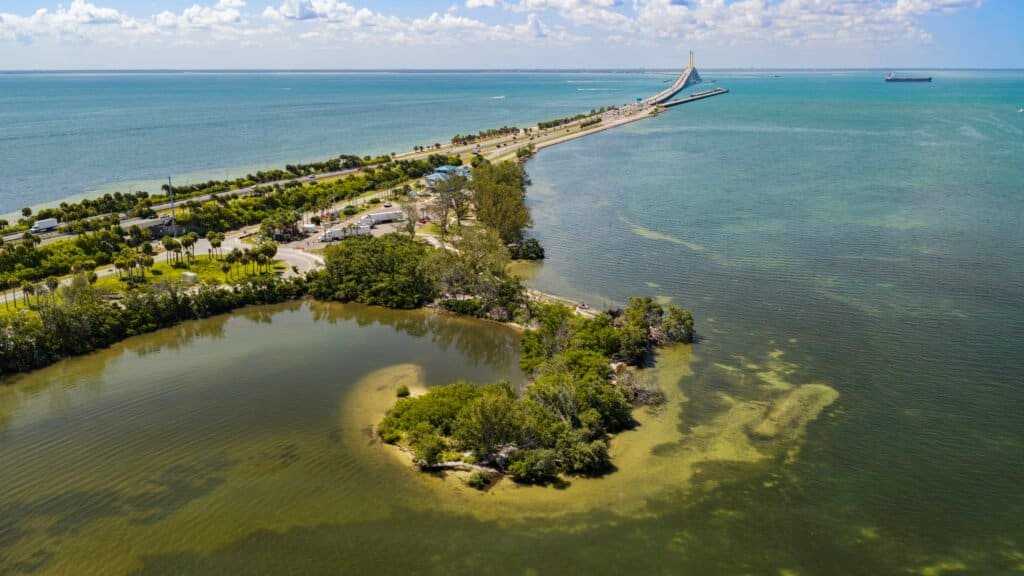
Florida’s Gulf Coast offers an enormous variety of redfish habitat, stretching from shallow mangrove-lined estuaries in Southwest Florida to grass flats, oyster bars, tidal rivers, salt marshes, passes, bays, and coastal creeks farther north.
That diversity means there isn’t one way to fish for West Coast Florida redfish.
An angler in Charlotte Harbor may spend the morning working paddle tails along a mangrove shoreline. In Tampa Bay, redfish may be feeding across grass flats or around oyster structure. Farther north, tidal creeks and salt marshes become increasingly important. Shore and pier anglers can also encounter redfish around bridges, passes, seawalls, piers, and other structures where current concentrates food.
Understanding the Gulf Coast fishery begins with recognizing how habitat, tides, current, forage, season, and access change from one area to another.
Whether you’re fishing from a boat, kayak, shoreline, bridge, or pier, the same principle applies:
Find the places where moving water and structure concentrate food, and you’ll find places worth looking for redfish.
Why Florida’s Gulf Coast Is Excellent Redfish Water
The Gulf Coast contains extensive shallow-water habitat that supports many of the species redfish depend upon for food.
Depending on the region, anglers may encounter:
- Seagrass flats
- Oyster bars
- Mangrove islands
- Salt marshes
- Tidal creeks
- Coastal rivers
- Bays
- Passes
- Docks
- Bridges
- Seawalls
- Piers
These habitats support shrimp, crabs, mullet, pinfish, mud minnows, and other forage.
The Gulf Coast also contains numerous large estuarine systems where freshwater and saltwater interact. These environments provide nursery habitat and productive feeding areas for a wide range of inshore species.
For redfish anglers, that creates opportunities ranging from sight casting to individual fish in skinny water to fishing deep structure in strong tidal current.
Understanding West Coast Florida Redfish Habitat
Redfish adapt extremely well to different environments, but understanding the major Gulf Coast habitats makes finding them much easier.
Grass Flats
Grass flats are one of the defining features of many West Coast Florida fisheries.
Healthy seagrass supports shrimp, crabs, pinfish, and juvenile baitfish while providing redfish with expansive shallow feeding areas.
Don’t treat an entire grass flat as one piece of water.
Concentrate on:
- Sandy potholes
- Grass edges
- Channels
- Points
- Oyster patches
- Mullet schools
- Depth changes
Rising water may allow redfish to move progressively farther onto shallow flats, while falling water often pulls them toward potholes, channels, and deeper edges.
Paddle tails, spoons, jerk shads, shrimp, and topwaters are all excellent grass-flat presentations.
Mangrove Shorelines
Mangroves become increasingly important throughout Central and Southwest Florida.
Higher tides allow redfish to move beneath overhanging branches where shade, roots, shrimp, crabs, and baitfish create excellent feeding opportunities.
Accuracy becomes more important than casting distance.
Weedless soft plastics that can be skipped underneath overhanging vegetation are particularly effective.
Look for:
- Mangrove points
- Small pockets
- Creek entrances
- Isolated trees
- Current flowing close to shore
- Deeper water adjacent to the mangroves
A hundred yards of mangrove shoreline may look identical, but small differences can concentrate fish.
Oyster Bars
Oyster bars combine food, structure, and current.
They’re especially valuable where shell creates points, cuts, submerged edges, and current seams.
Redfish frequently feed on shrimp and small crabs around oyster habitat.
Incoming water can provide access to increasingly shallow shell, while outgoing water may concentrate forage around deeper edges, creek mouths, and cuts.
Soft plastic crabs and shrimp are natural choices, while paddle tails and spoons allow anglers to cover more water.
Salt Marshes and Tidal Creeks
As you move through portions of Florida’s Gulf Coast, salt marshes and tidal creeks become increasingly important.
These areas can provide excellent redfish habitat because tidal movement constantly transports shrimp, crabs, baitfish, and other forage between shallow marshes and deeper water.
Creek mouths become natural feeding stations.
During outgoing water, redfish may position where food is being pulled from the marsh.
Look for:
- Oyster-lined creek mouths
- Current seams
- Small points
- Deeper bends
- Intersections between creeks
- Nearby channels
Rather than fishing the strongest current, look for the slower water immediately beside it.
Docks and Seawalls
Developed portions of the Gulf Coast provide another type of redfish habitat.
Docks offer shade, vertical structure, marine growth, and current breaks.
Seawalls can concentrate baitfish along an artificial edge, particularly when deeper water is nearby.
Focus on:
- Outer pilings
- Shaded areas
- Dock corners
- Current-facing structure
- Deep ends
- Changes in seawall direction
Shrimp, paddle tails, jerk shads, and jigs can all be effective.
Passes, Bridges, and Deeper Structure
Not every Gulf Coast redfish lives in twelve inches of water.
Passes, bridges, channels, and deeper structure can provide opportunities when current and forage concentrate fish.
These environments require a different approach from shallow grass-flat fishing.
Current becomes increasingly important, and additional lure weight may be necessary to reach the strike zone.
Bucktail jigs, weighted paddle tails, and shrimp imitations can all be effective depending on depth and flow.
West Coast Florida Redfish and Tides
Tides are one of the most important factors affecting Gulf Coast redfish location.
But don’t think about tides only as high and low.
Think about access.
Incoming Tide
Rising water gives redfish access to:
- Shallow grass
- Mangrove shorelines
- Oyster tops
- Flooded marsh
- Backwater areas
Fish may progressively move shallower as the tide rises.
High Tide
High water can spread redfish across a much larger area.
Mangroves and flooded shorelines may become particularly attractive.
Look for bait, current, and structural differences that concentrate fish.
Outgoing Tide
Falling water removes access to shallow habitat and pulls forage toward deeper water.
Concentrate on:
- Creek mouths
- Channels
- Oyster points
- Potholes
- Drop-offs
- Passes
Outgoing water can create some of the most predictable redfish feeding situations.
Low Tide
Low water concentrates fish but can also make shallow habitat inaccessible.
Study exposed structure.
An oyster bar, creek channel, pothole, or trough visible at low tide can provide valuable information for fishing the same area after the water returns.
Wind Matters on the Gulf Coast
Tide predictions don’t always tell the entire story.
Wind can push water into shallow bays or pull it away from them, changing actual water levels considerably.
Sustained wind can also:
- Concentrate bait
- Create current
- Muddy shallow water
- Improve or reduce visibility
- Affect boat positioning
- Change which shorelines are productive
Before abandoning a spot because the tide “isn’t right,” look at what the wind has been doing.
The actual water in front of you matters more than the prediction on your phone.
Best Artificial Lures for West Coast Redfish
A relatively small collection of artificial lures can cover most Gulf Coast redfish situations.
Paddle Tail Swimbaits
Excellent for grass flats, mangroves, creek mouths, oyster edges, and searching large areas.
Soft Plastic Shrimp
A versatile choice around docks, creeks, mangroves, oyster bars, and slower-moving fish.
Soft Plastic Crabs
Particularly effective around oysters, marshes, mangroves, and tailing redfish feeding along the bottom.
Gold Spoons
Classic search baits for grass flats, marshes, and stained water.
Jerk Shads
Excellent for shallow grass, mangrove shorelines, docks, and fish feeding on small baitfish.
Topwater Lures
Topwater lures are highly effective during early morning, low light, active bait periods, and fall feeding activity.
Bucktail Jigs
Useful around deeper channels, passes, bridges, piers, and stronger tidal current.
West Coast Redfish by Season
Spring
Warming water increases activity across grass flats, oyster bars, creeks, and shorelines.
Shrimp, paddle tails, jerk shads, and crab imitations are excellent choices.
Summer
Early mornings, shade, deeper edges, and moving water become increasingly important.
Start with topwater around sunrise before shifting toward mangroves, docks, channels, and current.
Fall
Fall bait activity can produce aggressive redfish.
Mullet schools become especially important.
Paddle tails, spoons, jerk shads, and topwaters allow anglers to cover water and capitalize on active fish.
Winter
Cold fronts can move redfish toward deeper channels, protected water, creek holes, and temperature-stable areas.
Sunny afternoons may bring fish back onto warming flats and shallow shorelines.
Slow presentations often become more productive following significant temperature drops.
Pier Fishing for West Coast Florida Redfish
You don’t need a boat to catch redfish on Florida’s Gulf Coast.
Piers provide anglers access to deeper water, current, structure, and baitfish that might otherwise require a boat or kayak to reach.
Although many anglers associate Gulf Coast piers with species such as Spanish mackerel, sheepshead, snapper, pompano, and snook, redfish can also move around pier structure, passes, channels, and nearby flats.
The key is understanding why a redfish would be there.
Why Redfish Use Areas Around Piers
Piers can create several conditions attractive to redfish.
Current
Pilings interrupt tidal flow and create current breaks.
Redfish can position near slower water while food passes through faster current nearby.
Structure
Pilings support marine growth and attract small fish, shrimp, and crustaceans.
Baitfish
Large schools of bait frequently gather around piers, particularly when current is moving.
Depth Changes
Many piers cross water ranging from shallow shoreline habitat to deeper channels.
Those depth transitions provide redfish with travel routes and feeding opportunities.
Nearby Habitat
A pier surrounded by grass, sand, oyster structure, passes, or channels can provide multiple redfish habitats in a relatively small area.
Where to Look for Redfish From a Pier
Don’t assume the end of the pier is automatically the best place to fish.
Redfish may be surprisingly close to shore.
Look for:
- First significant depth change
- Grass edges
- Sandy troughs
- Current seams
- Pilings
- Channel edges
- Bait schools
- Shoreline structure
During higher tides, redfish may move into relatively shallow water.
As water falls, they may retreat toward deeper channels and drop-offs.
Study the entire pier rather than automatically walking to the end.
Fishing Pier Pilings for Redfish
Pilings create vertical structure and interrupt moving water.
Watch how current moves around them.
Redfish may hold:
- On the down-current side
- Along the edge of a current seam
- Between groups of pilings
- Near bottom structure
- Where bait is concentrated
Present your lure so it moves naturally through the feeding area.
A shrimp imitation or jig allowed to sweep with the current often looks more natural than one constantly pulled directly against it.
Best Artificial Lures for Pier Redfish
Artificial lures can be very effective from Gulf Coast piers.
Good choices include:
Paddle Tails
Useful for searching different depths and covering water.
Shrimp Imitations
Excellent around pilings, current seams, and bottom structure.
Bucktail Jigs
Particularly useful when stronger current or deeper water requires additional weight.
Soft Plastic Crabs
Worth trying when redfish are feeding around bottom structure or crustaceans.
Spoons
Useful for covering water when redfish are actively chasing bait.
The challenge is controlling the lure from an elevated fishing position.
Adjust weight so you can maintain contact with the desired depth without constantly snagging bottom structure.
Landing Redfish From a Pier
Hooking a redfish from a pier is only half the problem.
Landing it safely from an elevated platform can require additional planning.
Before fishing, determine:
- How fish are normally landed
- Whether a landing net is available
- Whether a pier net is necessary
- Where accessible landing areas are located
- Whether local pier rules restrict particular equipment
Avoid attempting to lift a large redfish vertically by the fishing line.
Plan the landing before the fish is hooked.
Skyway Fishing Pier
The Skyway Fishing Pier is one of the most recognizable fishing destinations on Florida’s Gulf Coast and provides access to Tampa Bay waters without requiring a boat.
Its location around the mouth of Tampa Bay places anglers near strong tidal movement, deep water, structure, and abundant bait.
That creates opportunities for numerous inshore and nearshore species, including the possibility of encountering redfish as they move through suitable habitat and feeding areas.
For redfish anglers, the important factors remain:
- Tidal current
- Bait activity
- Depth
- Bottom structure
- Time of year
- Water conditions
Rather than thinking of the Skyway only as one fishing spot, anglers should learn how different portions of the pier interact with current and depth.
This section should eventually link to a dedicated Skyway Fishing Pier Guide.
Other West Coast Florida Fishing Piers
Florida’s Gulf Coast contains numerous public piers and fishing structures that can support future location-specific guides.
Those pages shouldn’t simply be lists of pier addresses.
Each guide can answer:
- What species can be targeted?
- What habitat surrounds the pier?
- How does tide affect fishing?
- What artificial lures work?
- What tackle should anglers bring?
- What seasonal patterns matter?
- Can anglers fish at night?
- What amenities are available?
- What regulations or access rules should anglers check?
That turns each pier page into a useful fishing resource rather than a thin location page.
Fishing West Coast Redfish Without a Boat
Piers are only one option.
Shore-bound anglers can also target Gulf Coast redfish from:
- Beaches near passes
- Causeways
- Bridges where fishing is permitted
- Public shorelines
- Seawalls
- Parks
- Creek banks
- Wading-access areas
The same redfish fundamentals still apply.
Look for moving water, bait, structure, depth changes, and access to productive habitat.
A boat provides mobility.
It doesn’t create the fish.
Kayak Fishing for Gulf Coast Redfish
Kayaks are particularly well suited to West Coast Florida redfish fishing.
They provide quiet access to:
- Shallow grass
- Mangrove shorelines
- Oyster bars
- Backwater creeks
- Marshes
A kayak can reach water inaccessible to larger boats while creating far less disturbance.
The tradeoff is range and weather exposure.
Wind, current, tides, boat traffic, and changing weather should always be considered before entering unfamiliar water.
Tampa Bay Redfish Fishing
Tampa Bay offers a tremendous variety of redfish habitat.
Grass flats, mangrove shorelines, oyster bars, creeks, docks, bridges, and deeper channels create opportunities for multiple fishing styles.
Shallow-water anglers can target grass and mangroves, while shore and pier anglers can focus on structure and current.
Future Guide: Tampa Bay Redfish Fishing
Charlotte Harbor Redfish Fishing
Charlotte Harbor is one of Florida’s major estuarine systems and provides extensive redfish habitat.
Mangroves, grass flats, oyster structure, tidal rivers, creeks, and shallow bays give anglers numerous ways to target fish throughout the year.
Future Guide: Charlotte Harbor Redfish Fishing
Pine Island Sound Redfish Fishing
Pine Island Sound is known for shallow-water habitat, mangrove islands, grass flats, channels, and extensive inshore fishing opportunities.
Redfish can be targeted through sight fishing, shoreline fishing, and traditional grass-flat techniques.
Future Guide: Pine Island Sound Redfish Fishing
Sarasota Bay Redfish Fishing
Sarasota Bay adds another important Gulf Coast redfish fishery built around grass flats, mangroves, channels, docks, and developed shorelines.
Seasonal bait movement, tides, and fishing pressure can all influence where redfish concentrate.
Future Guide: Sarasota Bay Redfish Fishing
Nature Coast and Big Bend Redfish
Moving north, Florida’s Gulf Coast gradually changes character.
Salt marshes, oyster bars, creeks, rocky structure, and coastal rivers become increasingly important.
This region deserves its own future content cluster because fishing these environments can be significantly different from targeting mangrove shorelines farther south.
Future Guide: Nature Coast Redfish Fishing
West Coast Florida Redfish FAQ
Where is the best redfish fishing on Florida’s West Coast?
Tampa Bay, Charlotte Harbor, Pine Island Sound, Sarasota Bay, the Nature Coast, and other Gulf Coast estuaries all provide redfish habitat. The best location depends on season, tides, weather, water conditions, and the type of fishing you prefer.
Can you catch redfish from Gulf Coast fishing piers?
Yes. Redfish can be encountered around piers where current, baitfish, depth changes, and structure create suitable feeding conditions. Success varies by location and season.
What is the best lure for West Coast Florida redfish?
Paddle tails are one of the most versatile choices. Shrimp, soft plastic crabs, gold spoons, jerk shads, topwaters, and bucktail jigs can all be effective depending on habitat and conditions.
What tide is best for Gulf Coast redfish?
Both incoming and outgoing tides can be productive. Rising water allows fish to access shallow habitat, while falling water can concentrate redfish around channels, creek mouths, oyster points, and other deeper escape routes.
Can you catch Gulf Coast redfish without a boat?
Absolutely. Piers, bridges where fishing is permitted, causeways, public shorelines, wading areas, parks, and seawalls can all provide access to redfish habitat.
Are grass flats good for West Coast Florida redfish?
Yes. Grass flats are among the most important redfish habitats along much of Florida’s Gulf Coast. Focus on potholes, grass edges, channels, oyster patches, mullet schools, and other features rather than featureless stretches of grass.
Explore West Coast Florida Redfish Fishing
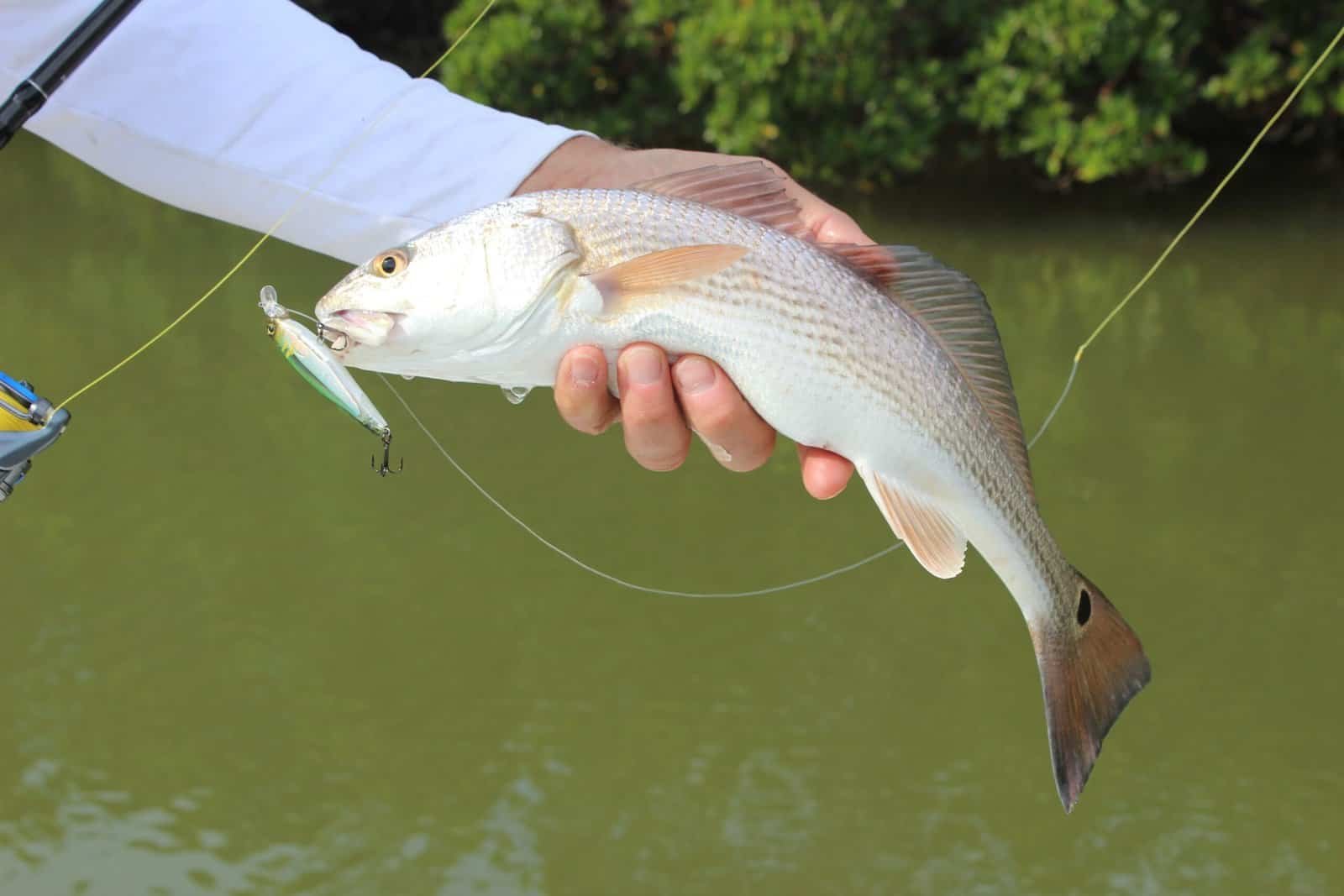
Tampa Bay Redfish
Explore grass flats, mangroves, oyster bars, creeks, docks, and seasonal redfish patterns throughout the Tampa Bay fishery.
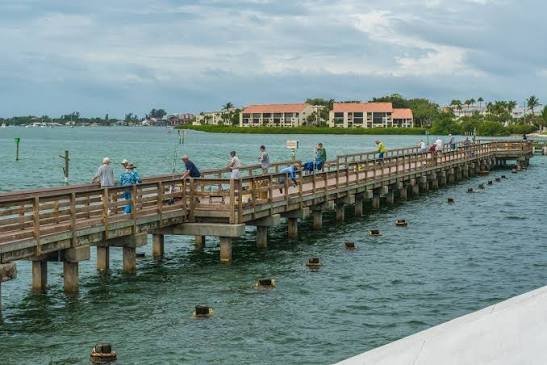
Charlotte Harbor Redfish
Learn how to target redfish throughout Charlotte Harbor's extensive mangrove, grass-flat, creek, and estuarine habitat.
Pine Island Sound Redfish
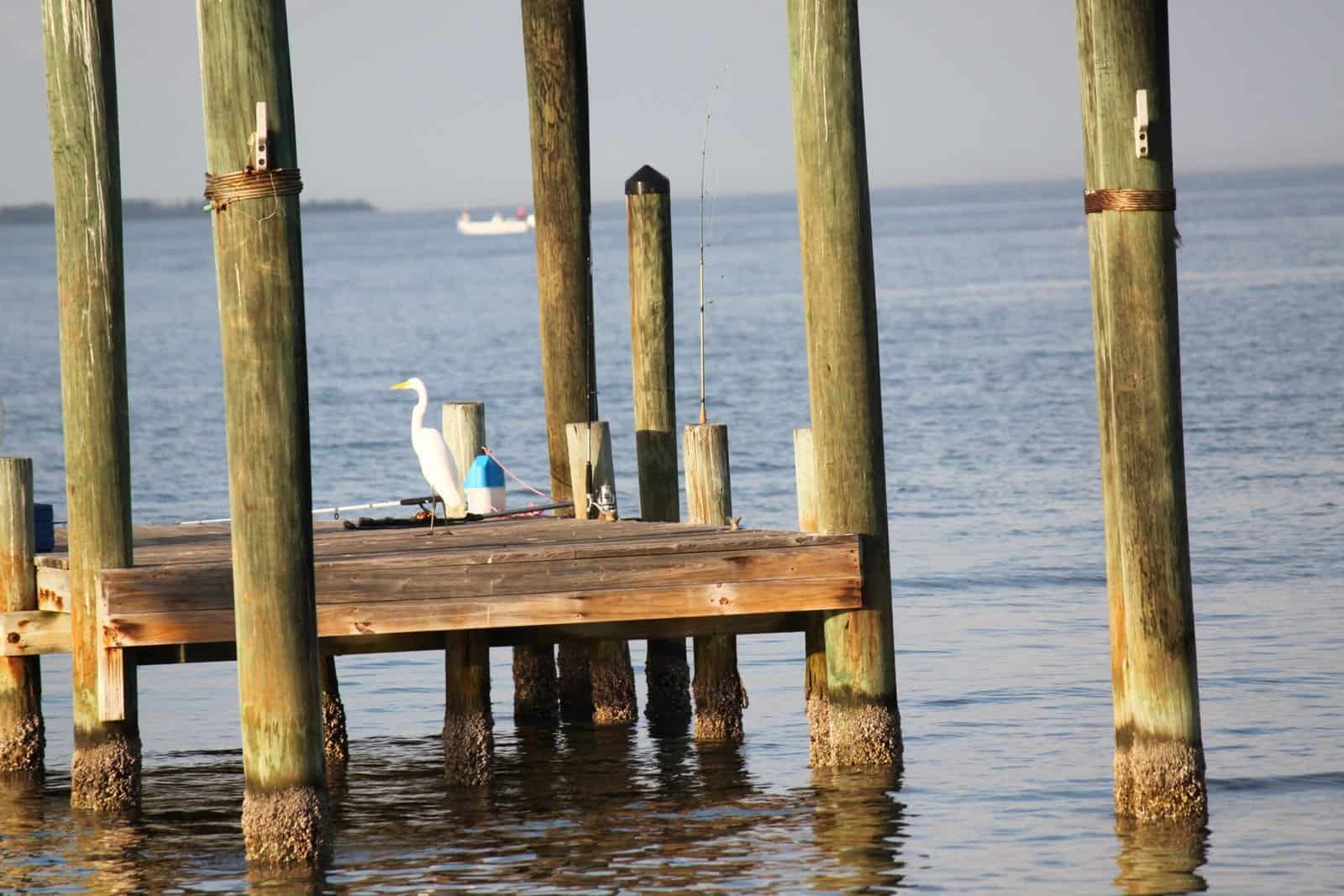
Discover shallow-water redfish fishing among Pine Island Sound's mangroves, grass flats, islands, and tidal channels.
Florida Gulf Coast Pier Fishing
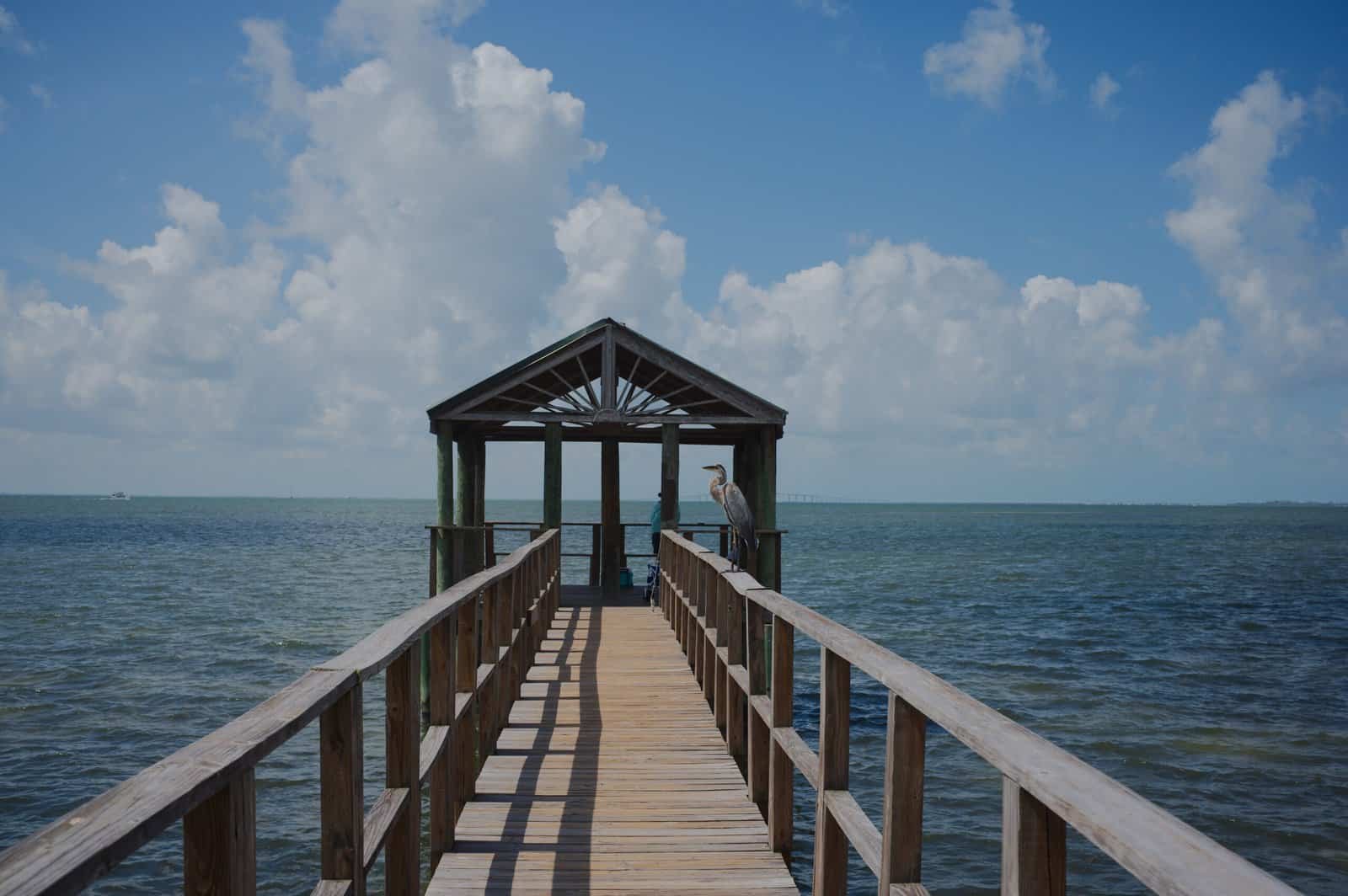
Explore fishing piers along Florida's Gulf Coast and learn how tides, current, structure, bait, and seasons influence fishing from each location.
Florida Redfish Fishing
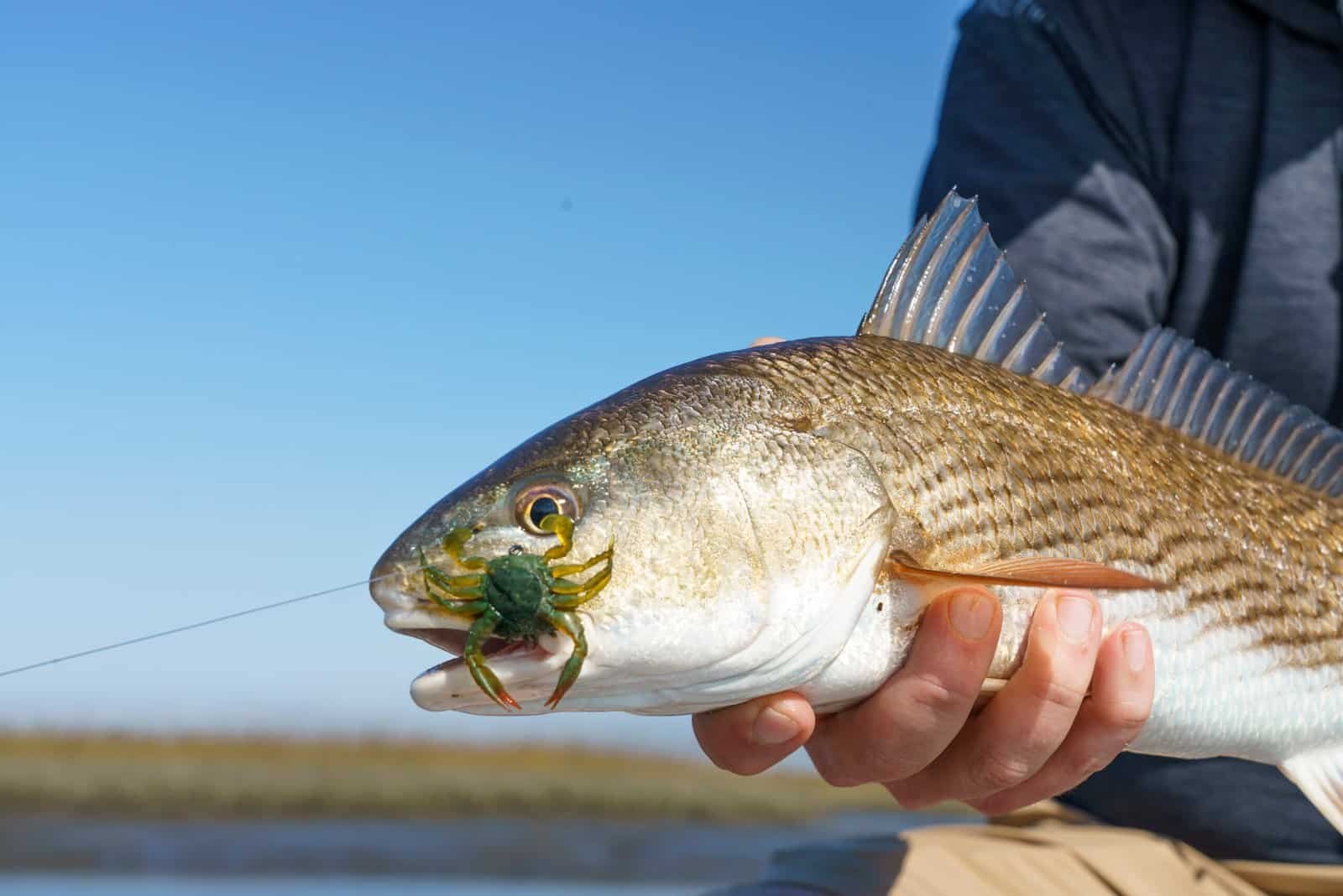
Return to our complete Florida Redfish Fishing Guide for habitat, behavior, seasons, tides, artificial lures, and fishing techniques.