Don't miss our holiday offer - 20% OFF!

Best Redfish Lures for Florida Inshore Fishing
Redfish aren’t particularly picky eaters—but that doesn’t mean every lure works equally well in every situation.
Florida redfish feed on an enormous variety of forage, including shrimp, crabs, mullet, pinfish, mud minnows, and other small baitfish. The best artificial lure is usually the one that matches what redfish are feeding on while also allowing you to effectively fish the habitat they’re using.
A paddle tail might be the perfect choice for searching a large grass flat, while a soft plastic crab may be much more effective when sight casting to a redfish tailing in shallow water. Around docks, a weedless shrimp or jerk shad may reach fish that other lures can’t. When redfish are aggressively chasing mullet during fall, a topwater walking bait can produce explosive strikes.
Instead of looking for one “best redfish lure,” successful anglers learn to choose their lure based on habitat, forage, water depth, tide, water clarity, and fish behavior.
Here are some of the most productive artificial lure styles for Florida redfish.
Paddle Tail Swimbaits
If you could carry only one artificial lure for Florida redfish, a paddle tail swimbait would be difficult to beat.
Paddle tails combine a baitfish profile with vibration created by the swimming tail. Depending on size and color, they can imitate finger mullet, pinfish, pilchards, mud minnows, and numerous other forage species.
More importantly, they’re incredibly versatile.
A paddle tail can be slowly rolled along the bottom, burned across a shallow flat, hopped through a creek mouth, or rigged weedless and worked through vegetation.
Where Paddle Tails Work Best
Paddle tails are particularly effective around:
- Grass flats
- Mangrove shorelines
- Creek mouths
- Oyster edges
- Sandy potholes
- Shallow bays
- Docks
When searching large areas for redfish, paddle tails are excellent because they allow anglers to cover water quickly.
Jig Head or Weedless?
Both have advantages.
An exposed jig head provides excellent hook-up ratios and works well around open water, sandy bottom, creek mouths, and sparse vegetation.
Weedless rigging becomes valuable around heavy grass, mangroves, oysters, and other snag-prone environments.
Redfish Tip: Match the weight to the water rather than automatically reaching for the same jig head. In shallow water, lighter presentations often look more natural and stay above submerged grass.
Soft Plastic Shrimp
If there’s one food source almost every Florida inshore predator recognizes, it’s shrimp.
Redfish feed heavily on shrimp throughout much of their range, making shrimp imitations one of the most dependable artificial lure choices available.
Unlike paddle tails, shrimp don’t require a continuous retrieve. They’re particularly effective when allowed to fall, drift, or crawl naturally.
Where Shrimp Imitations Excel
Fish them around:
- Mangroves
- Docks
- Creek mouths
- Oyster bars
- Grass flats
- Sandy potholes
A soft plastic shrimp can be rigged weedless, placed on a jig head, or suspended beneath a popping cork.
Fishing Shrimp With the Tide
One of the most effective techniques is allowing the current to do much of the work.
Cast slightly upstream and let the shrimp move naturally through the feeding area. Small twitches can add life, but avoid constantly jerking the lure.
Shrimp don’t normally race through the water.
Redfish Tip: When the bite gets difficult, slowing down with a shrimp imitation can produce fish that ignore faster-moving search baits.
Soft Plastic Crabs
Crabs are an important part of the redfish diet and one of the most overlooked artificial lure categories.
Redfish regularly root along grass flats, oyster bars, mangrove shorelines, and salt marshes searching for crustaceans. When you see a redfish with its tail above the surface, there’s a good chance it’s searching along the bottom for exactly this type of meal.
That makes soft plastic crabs particularly valuable for sight fishing and tailing redfish.
Where Crab Imitations Work Best
Focus on:
- Oyster bars
- Salt marshes
- Mangrove shorelines
- Shallow grass flats
- Sandy potholes
- Creek edges
How to Fish a Soft Plastic Crab
Slow down.
A crab imitation generally shouldn’t be retrieved like a swimbait.
Cast ahead of the fish and allow the lure to settle. Use small movements, short hops, or a slow crawl to imitate a crab moving along the bottom.
When sight fishing, avoid constantly moving the lure. Sometimes allowing it to sit directly in the fish’s path creates the most natural presentation.
Redfish Tip: Crab imitations become especially valuable when redfish are clearly feeding along the bottom rather than chasing baitfish.
Gold Spoons
The weedless gold spoon is a Florida redfish classic.
It may not look particularly realistic sitting in your hand, but underwater it creates flash, vibration, and movement that redfish can detect from a considerable distance.
Gold spoons are particularly useful as search baits.
They can be cast long distances and worked quickly across shallow water, allowing anglers to locate scattered fish.
Best Places to Throw a Gold Spoon
- Grass flats
- Marsh shorelines
- Oyster edges
- Shallow bays
- Stained water
A weedless spoon can also move through vegetation and shallow structure where exposed-hook lures constantly snag.
Gold is particularly effective in stained or tannic water because it provides strong flash without being excessively bright.
Redfish Tip: If you’re fishing unfamiliar water and need to locate active fish, a gold spoon is one of the best tools in the tackle box.
Jerk Shads
Soft plastic jerk shads imitate injured or fleeing baitfish with an erratic side-to-side action.
They’re especially useful when redfish are feeding on small baitfish or when you need a lure that can be worked through extremely shallow water.
Rigged weightless or lightly weighted, a jerk shad can dart above grass, glide into sandy potholes, or be skipped beneath mangrove branches.
Best Places for Jerk Shads
- Mangrove shorelines
- Shallow grass flats
- Docks
- Sandy potholes
- Baitfish schools
The classic presentation is a series of short twitches followed by a pause.
Don’t eliminate the pause.
The sudden stop often makes the lure appear injured, and many strikes occur as the bait slowly falls.
Topwater Walking Baits
Sometimes redfish aren’t interested in subtle.
When they’re aggressively feeding near the surface, a topwater walking bait can produce some of the most exciting strikes in Florida inshore fishing.
These lures move from side to side across the surface using the familiar walk-the-dog retrieve, imitating a wounded or disoriented baitfish.
When Topwater Works Best
Topwaters tend to perform particularly well:
- Early morning
- Late evening
- Under cloud cover
- During fall bait migrations
- Around active mullet
- Over shallow grass flats
Redfish don’t always strike topwaters cleanly. They may push behind the lure, roll underneath it, or completely miss on the first attempt.
Keep working the bait.
Redfish Tip: Don’t set the hook when you see the strike. Wait until you actually feel the fish before applying pressure.
Bucktail Jigs
Bucktail jigs have been catching saltwater fish for generations because they’re simple, durable, and versatile.
For redfish, bucktails become particularly useful when fishing deeper water or stronger current where lightweight soft plastics become difficult to control.
Where Bucktails Excel
- Creek mouths
- Bridges
- Channels
- Drop-offs
- Deep grass edges
- Strong current
They can be bounced along the bottom, slowly retrieved, or allowed to sweep naturally with the tide.
The important thing is maintaining control.
Use enough weight to reach the strike zone without making the presentation unnecessarily heavy.
Best Redfish Lures by Habitat
Rather than selecting your lure first, look at the water you’re fishing.
Grass Flats
Start with:
Paddle tails, weedless spoons, jerk shads, and topwater lures.
These allow you to cover water while remaining relatively snag-free.
Oyster Bars
Try:
Soft plastic crabs, shrimp, paddle tails, and spoons.
Concentrate on the edges, cuts, and current seams surrounding the shell.
Mangroves
Use:
Weedless paddle tails, shrimp, jerk shads, and crab imitations.
Skipping ability and snag resistance become more important than casting distance.
Docks
Consider:
Shrimp, jerk shads, paddle tails, and bucktails.
Choose the lure based primarily on depth and current.
Creek Mouths
Try:
Paddle tails, shrimp, crabs, and bucktail jigs.
Let the current help create a natural presentation.
Best Redfish Lures by Season
Seasonal changes influence both redfish behavior and the forage available to them.
Spring
Warming water increases bait and crustacean activity.
Good choices include:
- Shrimp
- Paddle tails
- Jerk shads
- Spoons
Summer
Focus on early mornings, moving water, shade, and mangroves.
Try:
- Topwaters early
- Weedless paddle tails
- Shrimp
- Jerk shads
Fall
Baitfish migrations can trigger aggressive feeding.
This is prime time for:
- Topwaters
- Paddle tails
- Spoons
- Jerk shads
Winter
Slow down and concentrate on deeper or warmer water.
Try:
- Shrimp
- Soft plastic crabs
- Slowly worked paddle tails
- Bucktail jigs
Choosing the Right Jig Head Weight
Jig head selection is one of the most overlooked parts of fishing soft plastics for redfish.
The goal isn’t to use the heaviest jig you can cast. It’s to use the lightest weight that still allows you to control the lure and reach the desired depth.
In shallow water, excessive weight can cause a lure to bury in grass, snag oysters, and fall unnaturally fast.
Deeper water and stronger current require additional weight to maintain contact with the strike zone.
Consider:
Water Depth — Deeper water generally requires more weight.
Current — Stronger current may require additional weight.
Grass — Lighter weights help keep lures above submerged vegetation.
Wind — Additional weight may improve casting and lure control.
Presentation — A slower fall often looks more natural to shallow-water redfish.
Rather than choosing jig head weight based solely on casting distance, choose it based on what you want the lure to do after it hits the water.
Matching the Hatch for Redfish
“Match the hatch” simply means selecting a lure that resembles the forage fish are currently eating.
If redfish are chasing finger mullet, a paddle tail or topwater lure makes sense.
If they’re rooting along the bottom around oyster bars, a crab or shrimp imitation may be a better choice.
Watch what’s happening around you.
Look for:
- Mullet
- Shrimp
- Crabs
- Small baitfish
- Diving birds
- Nervous water
- Surface feeding
You don’t need to perfectly duplicate the forage. Match the approximate size, profile, movement, and location in the water column.
That’s usually more important than perfectly matching color.
Choosing Redfish Lure Colors
Lure color can help improve a presentation, but don’t allow color selection to become more complicated than necessary.
Start with the water.
Clear Water
Natural and subtle colors are excellent choices.
Try:
- Pearl
- White
- Silver
- Natural shrimp
- Green pumpkin
- Translucent baitfish colors
Stained Water
Increase visibility and contrast.
Consider:
- Gold
- Root beer
- Chartreuse
- Darker natural colors
- Contrasting tails
Dirty Water
Strong silhouettes and vibration become increasingly important.
Black, dark purple, chartreuse accents, and high-contrast combinations can help fish locate the lure.
Low Light
Dark colors often create stronger silhouettes against the surface.
Bright Sun
Natural, translucent, pearl, silver, and subtle reflective patterns can be excellent choices.
For a deeper look at color selection, continue to our Best Redfish Lure Colors guide.
What Is the Best Overall Redfish Lure?
There isn’t one.
And that’s actually the point.
If you’re searching a large grass flat, a paddle tail or spoon might be your best choice.
If you’re looking at a redfish tailing twenty yards away, reach for a soft plastic crab or shrimp.
If mullet are getting blasted across the surface at sunrise, throw a topwater.
If the tide is ripping through a deep creek mouth, a bucktail or weighted paddle tail may give you better control.
The best redfish lure is the one that allows you to effectively imitate the available forage in the habitat and conditions you’re fishing right now.
Build your redfish tackle selection around several complementary lure styles rather than dozens of variations of the same bait.
Then learn when to use each one.
Redfish Lure FAQ
What is the best artificial lure for redfish?
Paddle tail swimbaits are one of the most versatile choices because they can imitate several baitfish species and work across grass flats, mangroves, oyster bars, creeks, and docks. However, shrimp and crab imitations can outperform them when redfish are feeding primarily on crustaceans.
What size lure should I use for redfish?
Match lure size to the available forage and fishing conditions. Smaller presentations can work well when redfish are feeding on shrimp or small baitfish, while larger profiles may be effective around mullet or when targeting aggressive fish.
Are soft plastics good for redfish?
Yes. Paddle tails, shrimp, crabs, and jerk shads are among the most versatile redfish lures because they can be rigged for shallow grass, docks, mangroves, oysters, and deeper channels.
What is the best redfish lure for shallow water?
Weedless paddle tails, jerk shads, crab imitations, shrimp, and weedless spoons are all excellent shallow-water options. Choose based on the amount of vegetation and what the fish are feeding on.
What is the best lure for tailing redfish?
Soft plastic crabs and shrimp are excellent choices because tailing redfish are often feeding on crustaceans along the bottom. Cast ahead of the fish and use a subtle presentation.
What lure should I use for redfish in dirty water?
Choose lures that create vibration, contrast, or both. Paddle tails, spoons, and darker or high-contrast soft plastics can help redfish locate your presentation when visibility is reduced.
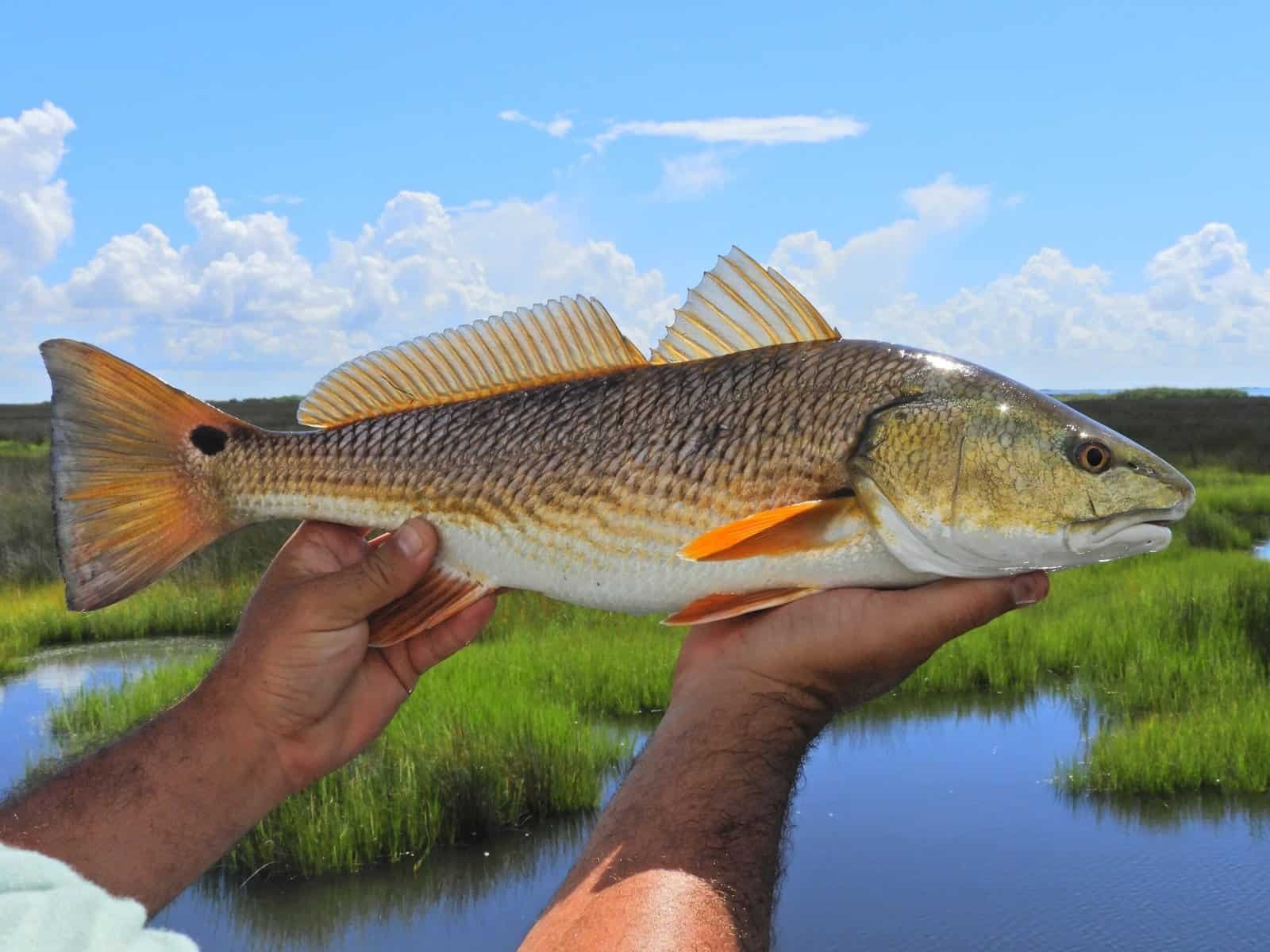
Fishing Grass Flats
Learn how to find redfish across Florida's grass flats using tides, potholes, bait movement, and productive artificial lure presentations.
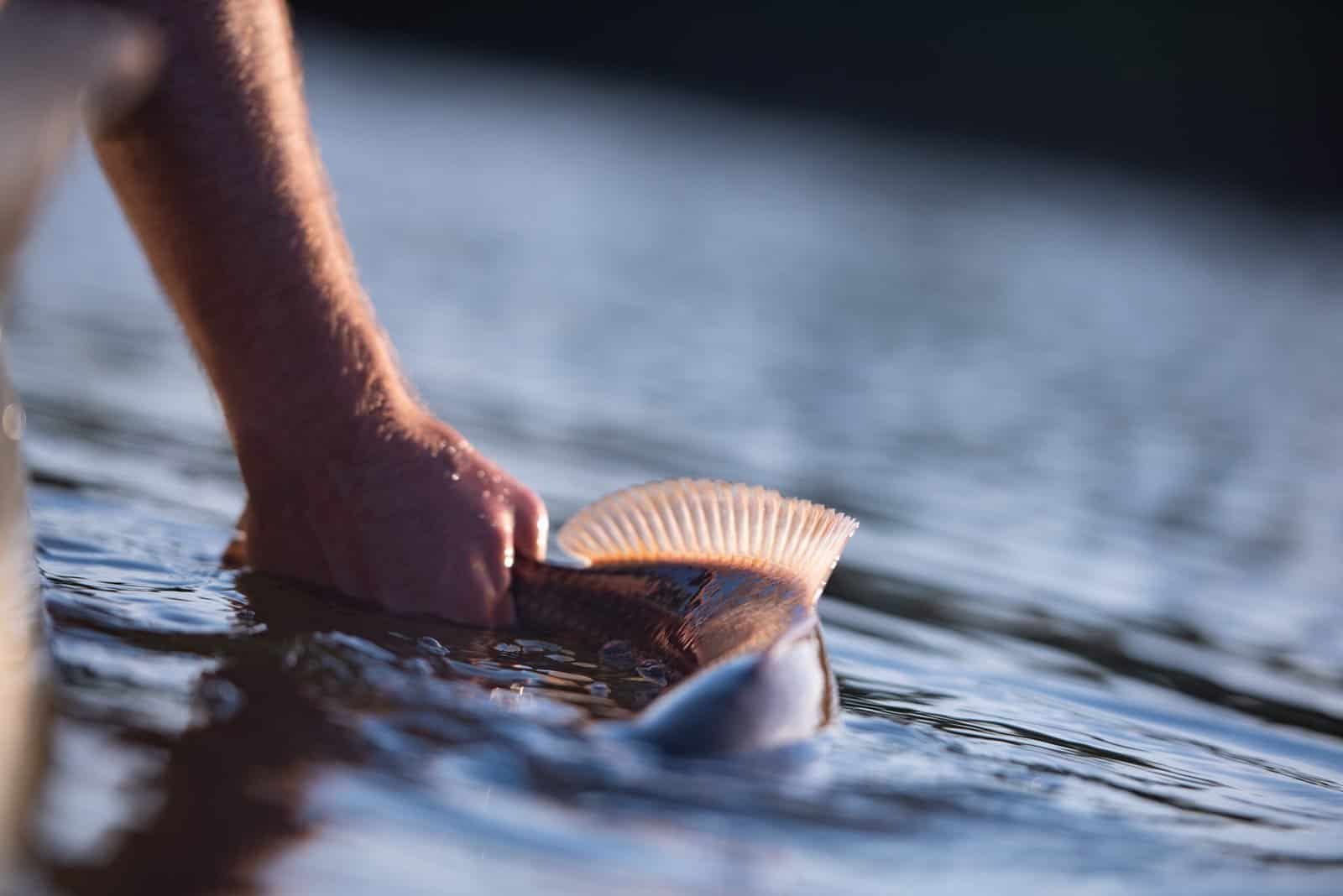
Fishing Oyster Bars
Discover how redfish position around oyster structure and current—and which lures work best during different stages of the tide.
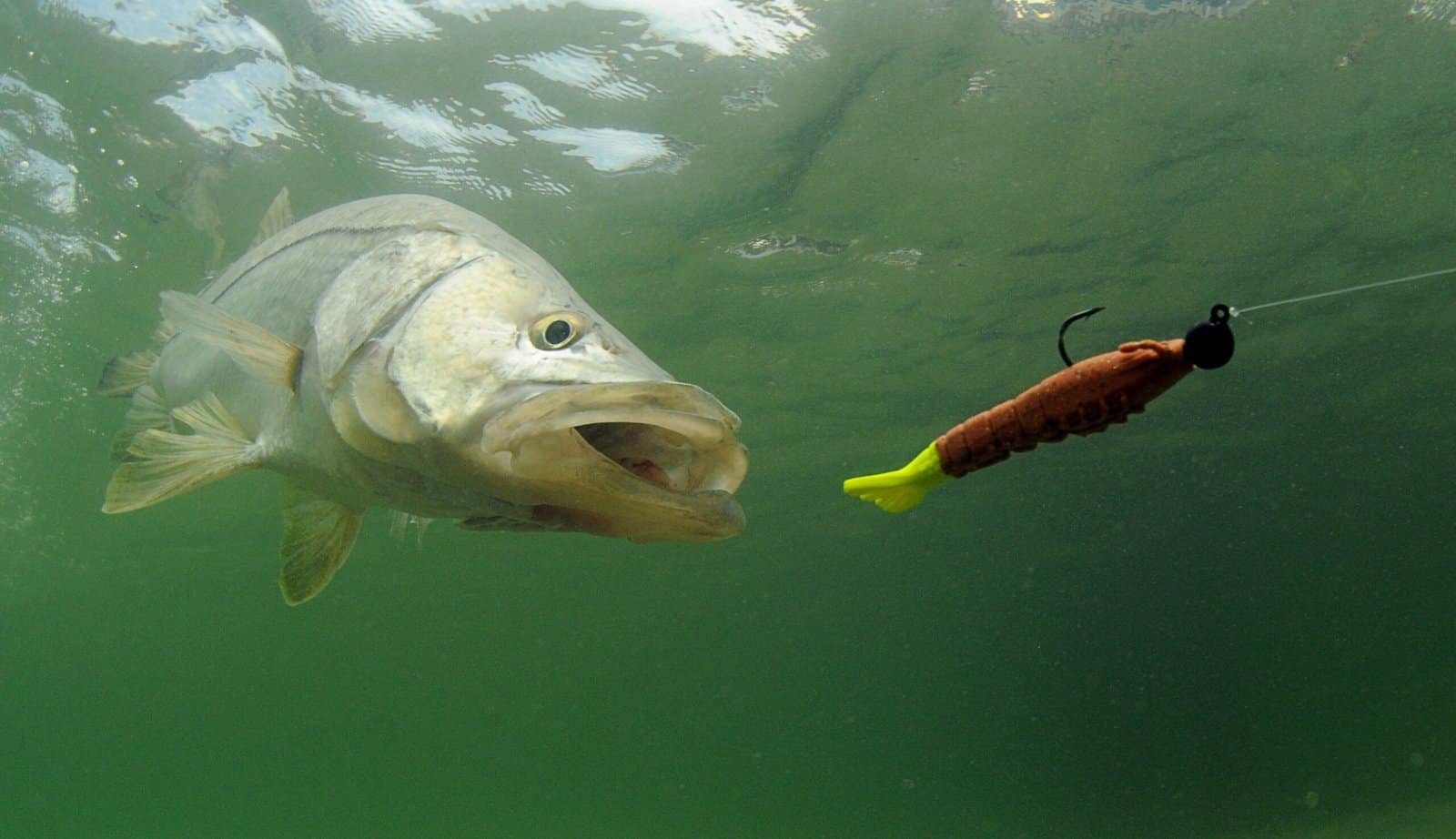
Redfish Colors
Choose artificial lure colors based on water clarity, sunlight, forage, and changing Florida inshore conditions.
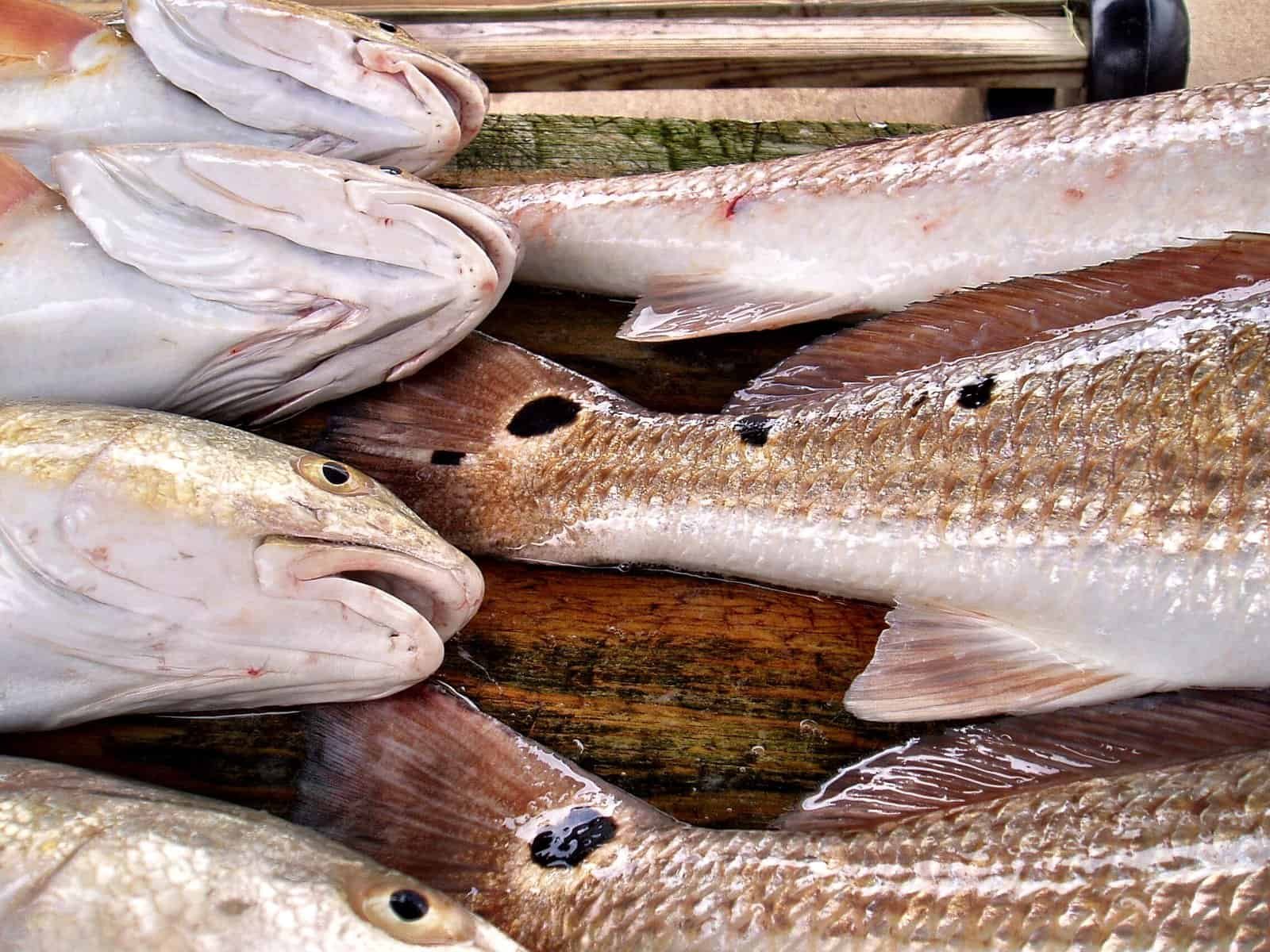
Topwater Redfish
Learn when and where to throw walking baits for aggressive redfish and explosive surface strikes.