Don't miss our holiday offer - 20% OFF!

Topwater Redfish Fishing in Florida
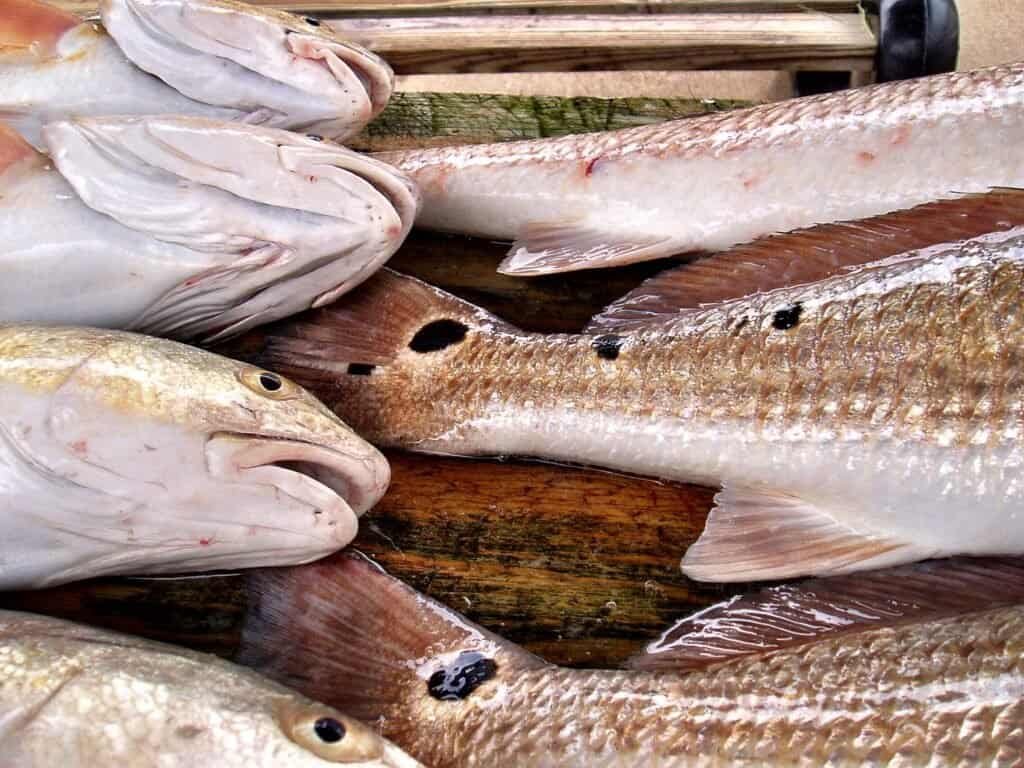
Few strikes in Florida inshore fishing are more exciting than watching a redfish attack a lure on the surface.
Redfish spend much of their time feeding on shrimp, crabs, and baitfish near the bottom, but under the right conditions they will aggressively chase forage toward the surface. That’s when a topwater lure can become one of the most effective—and exciting—baits in your tackle box.
Topwater fishing is particularly effective around shallow grass flats, oyster bars, mullet schools, creek mouths, and other areas where redfish are actively feeding on baitfish.
But simply throwing a surface lure isn’t enough.
Successful topwater redfish fishing depends on understanding feeding activity, water depth, available forage, weather, retrieve speed, and when to put the topwater down and switch to something else.
The key is recognizing when redfish are willing to look up.
Why Redfish Strike Topwater Lures
Redfish are powerful predators capable of feeding throughout much of the water column.
When mullet, pinfish, mud minnows, and other baitfish are active near the surface, redfish may push upward to take advantage of the opportunity.
A walking topwater lure imitates a struggling, injured, or disoriented baitfish moving across the surface.
The side-to-side action creates:
- Surface disturbance
- Vibration
- Flash
- Sound
- A strong silhouette
That combination can attract redfish from a greater distance than many subtle subsurface presentations.
Topwaters can therefore serve two purposes.
They can catch actively feeding redfish and help anglers locate fish while covering water.
When Is the Best Time for Topwater Redfish?
Topwater lures can catch redfish throughout the day, but certain conditions dramatically improve the odds.
Early Morning
Sunrise is the classic topwater window.
Lower light, cooler water, and active baitfish can bring redfish onto shallow flats and shorelines to feed.
This is particularly valuable during summer when shallow water may become considerably warmer later in the day.
Start throwing topwater before sunrise and continue as long as fish remain willing to react.
Don’t automatically stop just because the sun appears.
Let the redfish tell you when the surface bite is finished.
Late Evening
The final hours of daylight can create another productive surface-feeding period.
As direct sunlight decreases and shallow water begins cooling, baitfish activity may increase and redfish can become more comfortable moving into shallower feeding areas.
Topwater lures worked along grass edges, oyster points, and shorelines can be excellent during this transition.
Cloudy and Overcast Conditions
Cloud cover can extend the topwater bite well beyond the traditional early-morning window.
Reduced sunlight can keep fish comfortable in shallow water while making a surface lure easier to approach without the fish getting a detailed look at it.
On heavily overcast days, don’t be afraid to experiment with topwater during periods when you would normally switch to subsurface lures.
Before Weather Changes
Changes in barometric pressure, wind, cloud cover, and approaching weather can sometimes trigger increased feeding activity.
If bait suddenly becomes active and predators begin feeding, a topwater lure can quickly determine whether redfish are willing to attack at the surface.
Always prioritize safety when thunderstorms or severe weather are nearby.
Water Temperature and Topwater Redfish
Water temperature influences redfish activity, but there isn’t one magic temperature at which anglers should start or stop throwing topwater.
The trend can be more useful than the number itself.
Warming spring water can increase baitfish and redfish activity.
During summer, relatively cooler early-morning water may produce a stronger surface bite than the same flat several hours later.
In fall, abundant baitfish can keep redfish looking upward even as seasonal temperatures begin changing.
During winter, topwater opportunities may become less consistent, although warming periods and active fish can still produce surface strikes.
Rather than relying on a specific temperature number, watch the fish and forage.
If bait is active near the surface and redfish are aggressively feeding, topwater deserves a chance.
Best Places to Catch Redfish on Topwater
Topwater lures can work across many Florida inshore habitats, but some environments are particularly well suited to surface presentations.
Grass Flats
Grass flats are among the best places to throw topwater lures for redfish.
A surface lure allows anglers to cover large areas without constantly collecting submerged vegetation.
Look for:
- Sandy potholes
- Grass edges
- Points
- Mullet schools
- Channels
- Visible bait activity
Rather than randomly casting across an enormous flat, concentrate on areas where structure or forage gives redfish a reason to feed.
Topwaters are particularly useful when you’re searching for scattered fish because their sound and surface disturbance can attract attention from a considerable area.
Oyster Bars
Topwater lures can be extremely effective around shallow oyster bars, especially when baitfish are active.
Focus on:
- Oyster points
- Current seams
- Submerged edges
- Cuts between bars
- Nearby grass
- Baitfish schools
One advantage of topwater fishing around oysters is obvious: the lure stays above the shell.
That doesn’t eliminate the possibility of snagging, but it allows anglers to work over shallow structure that might constantly grab a bottom-oriented lure.
Pay particular attention to current.
Redfish may hold along a current seam rather than directly against the visible oysters.
Mullet Schools
Active mullet are one of the best clues available to a topwater redfish angler.
Redfish frequently travel around mullet schools and take advantage of baitfish and other forage disturbed by their movement.
Look for:
- Mullet jumping
- Nervous water
- Bait scattering
- Surface explosions
- Wakes traveling alongside the school
Don’t necessarily throw directly into the middle of the mullet.
Work the edges, front, and trailing portions of the school, where a redfish can distinguish your lure from hundreds of moving fish.
Matching the approximate size of the available bait can also improve your presentation.
Mangrove Shorelines
Higher tides can bring redfish tight against mangrove shorelines.
A topwater worked parallel to the vegetation can draw fish away from cover and provide a much cleaner presentation than trying to work a subsurface lure through submerged roots.
Focus on:
- Mangrove points
- Small pockets
- Creek openings
- Current
- Areas holding bait
Keep the lure in the productive zone as long as possible by casting parallel to the shoreline rather than directly toward it.
Creek Mouths
Creek mouths become especially productive when tidal movement concentrates baitfish.
Redfish can position along current seams or just outside the strongest flow while waiting for food to move past.
A topwater lure worked across that feeding lane can draw aggressive strikes.
Watch the direction of the current and present the lure naturally rather than repeatedly dragging it directly against strong tidal flow.
Choosing a Topwater Lure for Redfish
Walking baits are the most versatile topwater style for Florida redfish.
Their side-to-side movement creates the classic walk-the-dog action that resembles a wounded or disoriented baitfish.
But not every topwater needs to be large or extremely loud.
Consider:
- Available forage size
- Water clarity
- Wind
- Fishing pressure
- Fish aggression
- Casting distance
When redfish are feeding on small baitfish in calm, clear water, a smaller and more subtle topwater may be appropriate.
When wind creates surface chop or fish are aggressively feeding around large mullet, a larger or louder presentation may help redfish locate the lure.
Match the lure to the conditions rather than automatically choosing the loudest bait in the box.
How to Walk a Topwater Lure
The walk-the-dog retrieve creates a rhythmic side-to-side movement across the surface.
The technique is easier than it looks.
Point the rod tip relatively low and create small amounts of slack in the line. Use short, controlled twitches of the rod tip while maintaining a steady retrieve.
The lure should move:
Left → Right → Left → Right
rather than traveling straight toward you.
The important ingredient is slack line.
Pulling the line completely tight after every twitch tends to drag the lure forward instead of allowing it to turn from side to side.
Once you establish the rhythm, experiment with speed and pauses until the fish show you what they prefer.
How Fast Should You Work a Topwater for Redfish?
There is no single correct retrieve speed.
Aggressive redfish may chase a fast-moving lure, while pressured or less-active fish may respond better to a slower presentation.
Start with a moderate, consistent walk.
Then experiment.
Fast Retrieve
A faster retrieve can work well when:
- Redfish are aggressively chasing bait
- Mullet are highly active
- Fish are schooling
- You need to cover water
Slow Retrieve
Slow down when:
- Fish follow without striking
- Water is calm and clear
- Fishing pressure is high
- Redfish appear interested but hesitant
Pauses
A pause can be one of the most important parts of the retrieve.
If a redfish follows or pushes behind the lure, briefly stopping it can trigger the strike.
But sometimes the opposite is true.
An aggressively feeding redfish may lose interest when the lure stops.
Experiment until the fish reveal the pattern.
What Does a Topwater Redfish Strike Look Like?
Not every redfish strike is a spectacular explosion.
Redfish may:
- Completely engulf the lure
- Roll over it
- Push water behind it
- Swipe and miss
- Follow without striking
- Knock the lure into the air
- Create a large boil beneath it
A visible reaction tells you something important even when the fish misses.
You’ve found a redfish willing to investigate your presentation.
That information can be almost as valuable as the strike itself.
Don’t Set the Hook When You See the Strike
This is one of the hardest habits for topwater anglers to learn.
A redfish explodes on the lure and your instinct is to immediately set the hook.
Don’t.
The fish may have missed completely.
Instead, continue the retrieve and wait until you feel the weight of the fish.
Then apply pressure and begin fighting it.
Reacting to the visual explosion rather than feeling the fish can pull the lure away before the redfish actually gets it.
What to Do When a Redfish Misses Your Topwater
A missed strike doesn’t mean the opportunity is over.
Continue working the lure unless the fish’s behavior gives you a reason to stop.
A redfish may strike again.
If the fish repeatedly follows, pushes, or misses without committing, try:
Slow the Retrieve
Give the fish an easier target.
Add a Pause
A sudden stop may trigger a following fish.
Change the Rhythm
Move from a steady walk to several quick movements followed by a pause.
Downsize the Lure
The redfish may be feeding on smaller forage.
Change Color
A different silhouette or contrast may help under changing light or water conditions.
Follow Up With a Soft Plastic
This is one of the most effective strategies.
If a redfish reveals its location but refuses the topwater, immediately cast a paddle tail, jerk shad, shrimp, or other soft plastic into the area.
The topwater found the fish.
Let the soft plastic finish the job.
Best Topwater Colors for Redfish
Topwater color is different from choosing the color of a subsurface lure because redfish often see the bait primarily from below.
Silhouette becomes extremely important.
Low Light
Dark colors can create a strong silhouette against the lighter surface.
Consider:
- Black
- Dark purple
- Dark green
- Other dark contrasting colors
Bright Conditions
Natural and lighter colors are excellent choices.
Try:
- Bone
- White
- Pearl
- Silver
- Natural baitfish patterns
Stained Water
Additional contrast can help.
Dark silhouettes and patterns containing stronger contrast may be easier for fish to track.
Around Mullet
Focus more on matching the approximate size, profile, movement, and silhouette than perfectly duplicating the bait’s coloration.
Don’t choose a topwater based entirely on how attractive its paint job looks from above.
The redfish is looking at it from a completely different angle.
Topwater Redfish by Season
Spring
Warming water increases baitfish activity and can bring redfish onto shallow flats.
Topwater fishing often improves as spring progresses and fish become increasingly willing to chase moving forage.
Look for shallow flats, grass edges, and active bait.
Summer
Summer provides classic early-morning topwater opportunities.
Begin around sunrise before shallow water heats up.
Grass flats, mangrove shorelines, and mullet schools are excellent places to start.
Cloud cover and moving water can extend the bite later into the day.
Fall
Fall can provide some of the year’s best topwater redfish fishing.
Abundant baitfish and active mullet can trigger aggressive feeding.
This is the time to watch for:
- Schooling fish
- Surface activity
- Nervous bait
- Mullet schools
- Birds
When redfish are aggressively chasing bait, don’t be afraid to increase retrieve speed.
Winter
Topwater fishing generally becomes more situational during colder periods.
Focus on warming trends, active bait, and fish showing signs of aggressive feeding rather than forcing a surface presentation when redfish are holding deep and moving slowly.
Wind and Topwater Fishing
A little wind can actually help topwater fishing.
Surface disturbance reduces visibility and can make redfish less cautious.
But as chop increases, subtle topwaters become harder for fish to locate.
In stronger wind, consider a lure that creates more sound and surface disturbance.
Wind direction can also concentrate bait along a shoreline or grass edge.
Rather than viewing wind only as a casting problem, ask:
What is the wind doing to the bait and water?
A windblown shoreline containing concentrated bait may be far more productive than calm water on the opposite side.
Tide and Topwater Redfish
Tides influence topwater fishing because they determine where redfish have enough water to feed.
Incoming Tide
Rising water can move fish onto shallow grass, oyster tops, mangrove shorelines, and other newly accessible habitat.
Topwater lures can be excellent for searching these expanding feeding areas.
High Tide
High water can spread fish across a larger area.
Focus on bait, current, shoreline structure, and other features that help concentrate them.
Outgoing Tide
As water falls, redfish may move toward grass edges, oyster points, creek mouths, and channels.
Topwater can remain effective as long as fish continue feeding near the surface.
Slack Tide
Reduced current can decrease feeding activity in some locations.
Rather than automatically abandoning topwater, watch the bait.
If the surrounding water becomes lifeless, consider moving toward an area with more water movement or switching presentations.
Topwater Hooks and Redfish
Topwater lures commonly use treble hooks, which require additional care when handling redfish.
A thrashing fish with multiple exposed hook points can quickly turn into a problem for both the angler and the fish.
Use appropriate tools and control the fish before attempting hook removal.
Some anglers choose to replace treble hooks with appropriate inline single hooks to simplify handling and reduce the number of exposed hook points.
Whenever hooks are replaced, make sure the replacement doesn’t negatively affect the lure’s balance and action.
Common Topwater Redfish Mistakes
Setting the Hook Too Early
Wait until you feel the fish rather than reacting to the visual strike.
Fishing Topwater Too Slowly All the Time
Sometimes redfish want speed.
Let fish behavior determine your retrieve.
Fishing Topwater Too Fast All the Time
A slower walk or strategic pause can convert followers into strikes.
Ignoring Bait Activity
Topwater becomes much more productive when redfish have a reason to feed near the surface.
Find the bait.
Casting Directly at Visible Fish
Landing a large topwater directly on a shallow redfish can send it fleeing.
Cast ahead of its path and bring the lure naturally into the feeding zone.
Using the Same Topwater in Every Condition
Lure size, sound, profile, and color should change when water clarity, wind, forage, and fish behavior change.
Giving Up After a Missed Strike
A missed fish has just revealed its location.
Keep working the lure or immediately follow with a subsurface bait.
Throwing Topwater When the Fish Tell You Not To
Topwater fishing is exciting, which makes it easy to keep throwing one long after the fish stop responding.
If redfish are feeding along the bottom or repeatedly refusing surface presentations, switch.
The goal is to catch redfish—not prove they’ll eat your favorite lure.
Topwater as a Search Bait
One of the most overlooked advantages of a topwater lure is its ability to find redfish without actually hooking them.
A redfish may push behind the lure, swirl underneath it, or miss completely.
You now know where that fish is.
That makes topwater particularly valuable when searching:
- Large grass flats
- Broad shorelines
- Mullet schools
- Shallow bays
- Oyster complexes
Pay attention to every reaction.
A boil behind your lure isn’t a failed cast.
It’s information.
Mark the location mentally, change your retrieve, make another cast, or follow with a soft plastic.
Used this way, a topwater becomes both a lure and a fish-finding tool.
When to Put the Topwater Down
Knowing when not to fish topwater is just as important as knowing when to throw it.
Consider switching to a subsurface lure when:
- Redfish are clearly feeding on the bottom
- Fish repeatedly ignore surface presentations
- Cold conditions have reduced activity
- Redfish are concentrated in deeper water
- Fish are feeding heavily on shrimp or crabs
- Surface conditions make the lure difficult for fish to track
A paddle tail, shrimp, crab, jerk shad, or jig may be a better match for what the fish are doing.
Versatility catches more redfish than loyalty to one lure style.
Topwater Redfish Fishing FAQ
What is the best time to catch redfish on topwater?
Early morning and late evening are excellent starting points. Cloud cover, active bait, favorable water temperatures, and aggressive feeding can extend topwater opportunities throughout the day.
What is the best topwater lure for redfish?
Walking baits are among the most versatile choices because they imitate injured baitfish, cover water efficiently, and create surface disturbance redfish can detect from a distance.
What color topwater is best for redfish?
Dark colors create strong silhouettes in low light, while bone, white, pearl, silver, and natural baitfish patterns are good choices under brighter conditions. Water clarity and available forage should also influence color selection.
Do redfish hit topwater lures?
Yes. Redfish will aggressively attack surface lures when they’re feeding on baitfish or otherwise willing to look toward the surface.
Should I stop a topwater after a redfish misses?
Not automatically. Continue the retrieve because the fish may strike again. If it repeatedly refuses the lure, experiment with speed, pauses, lure size, or follow with a soft plastic.
What tide is best for topwater redfish?
Both incoming and outgoing tides can produce topwater fish. The important factor is how the tide positions redfish and forage. Moving water combined with active bait is generally more useful than simply choosing high or low tide.
Can you catch redfish on topwater during the day?
Yes. Overcast skies, wind, active baitfish, stained water, and aggressive feeding can produce daytime topwater opportunities even after the traditional early-morning period has ended.
Explore More Redfish Guides
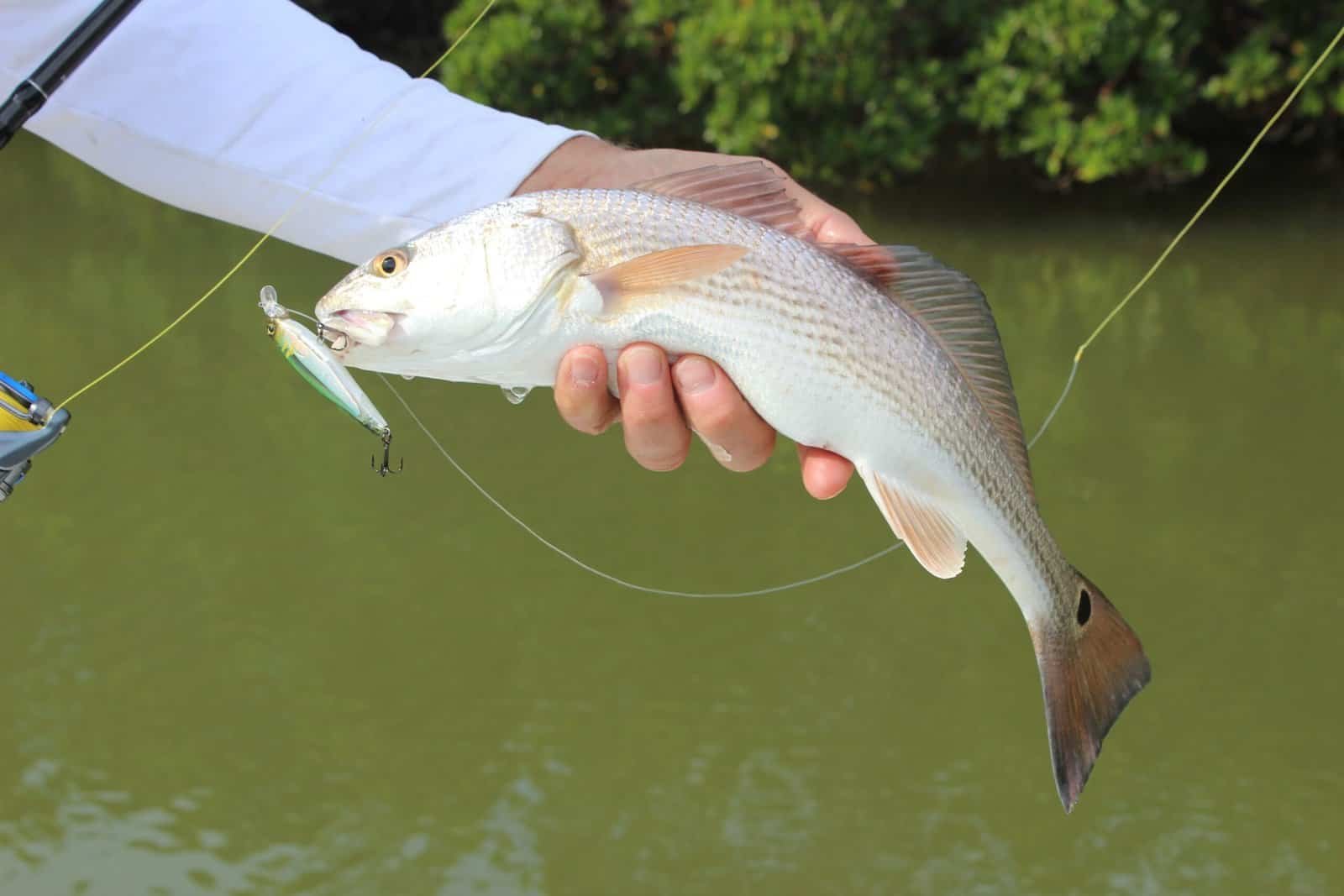
Best Redfish Lures
Discover the most productive artificial lures for Florida redfish and learn how habitat, forage, current, and water conditions influence lure selection.
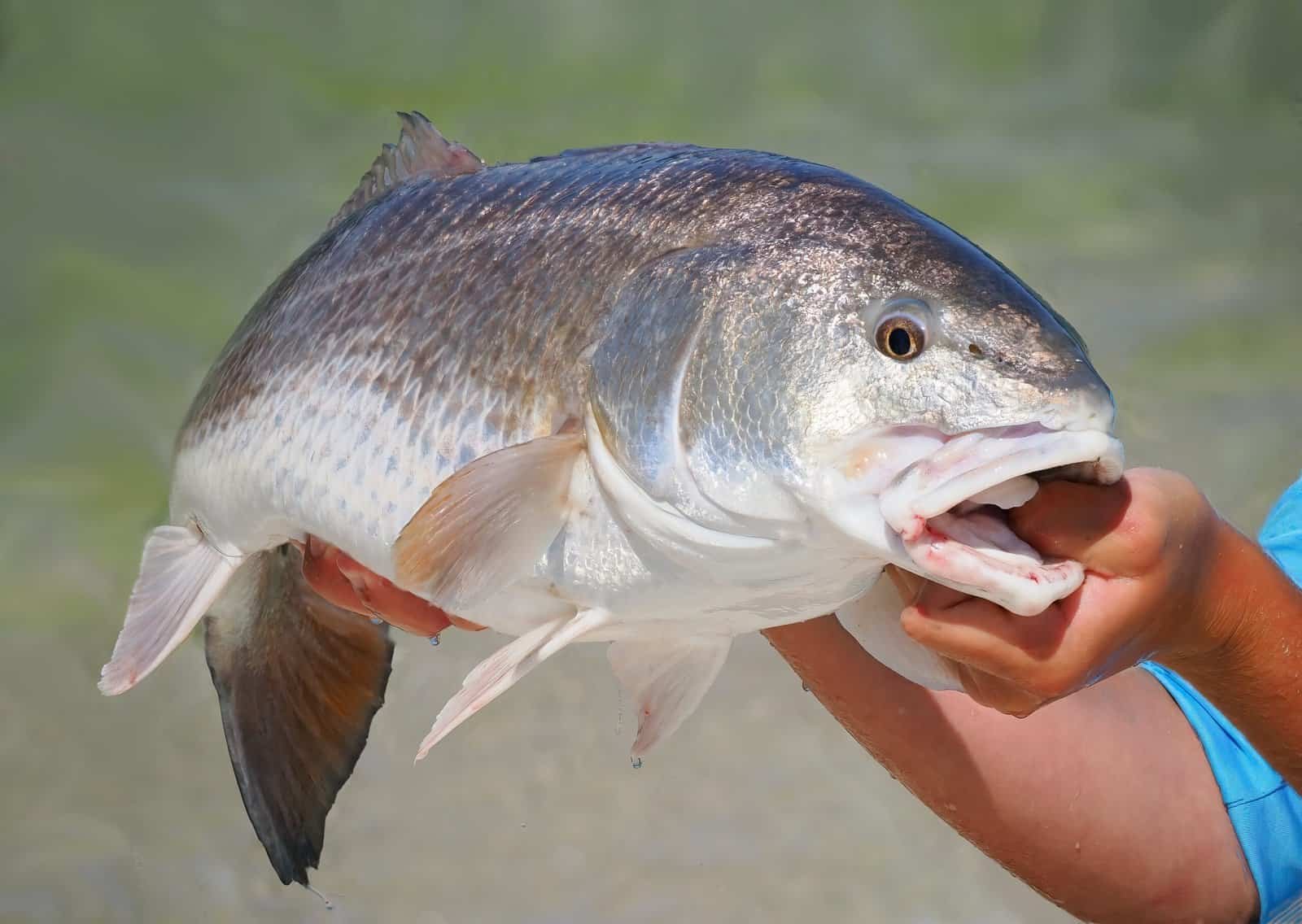
Redfish Seasons
See how redfish behavior, feeding patterns, habitat, and lure selection change throughout Florida's spring, summer, fall, and winter.
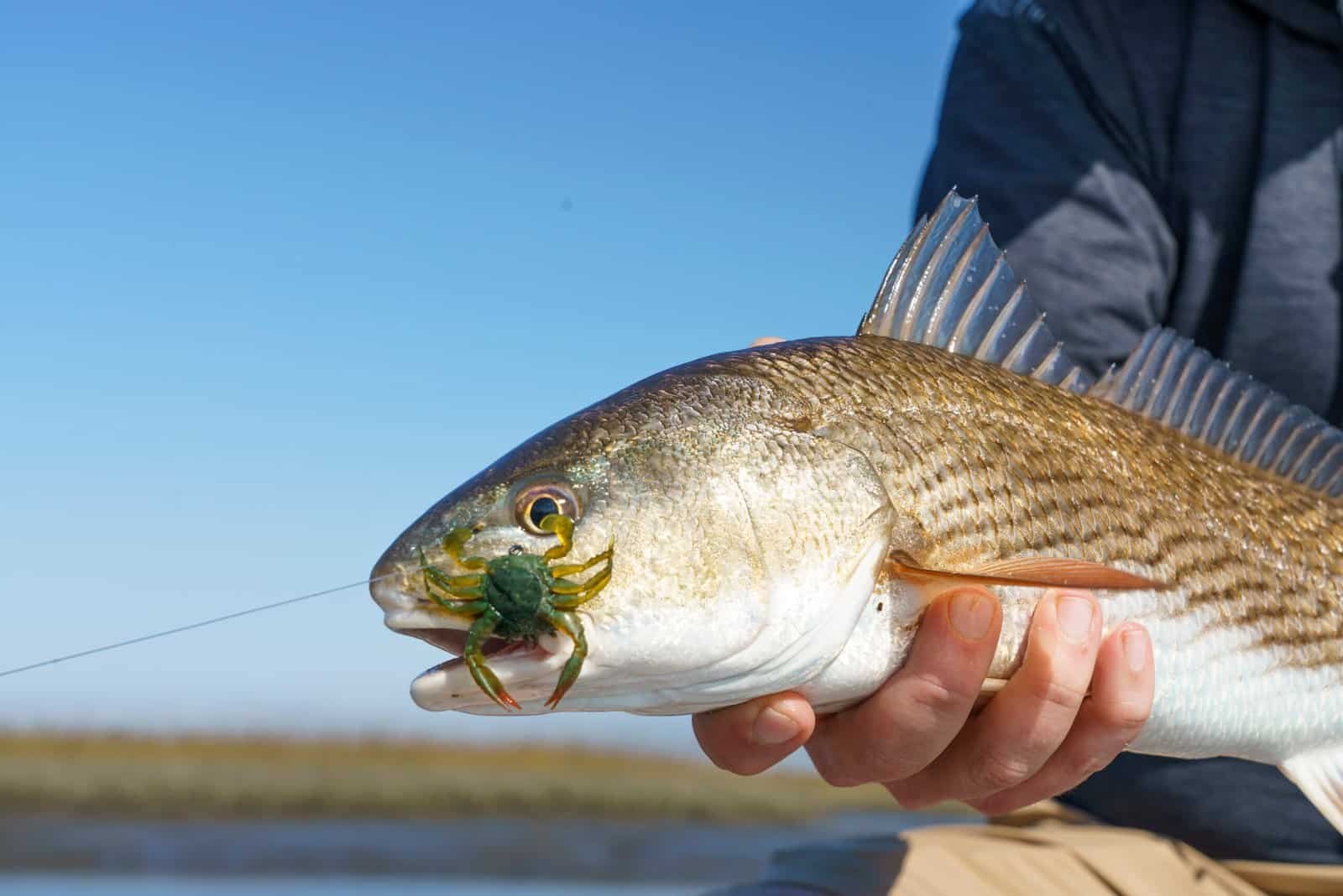
Florida Redfish Fishing
Explore our complete Florida Redfish Fishing Guide covering habitat, behavior, tides, artificial lures, seasonal patterns, and fishing techniques.
Fishing Grass Flats
Learn how to locate redfish using potholes, grass edges, bait movement, tides, and other features across Florida's shallow grass flats.