Don't miss our holiday offer - 20% OFF!

Florida Redfish Fishing by Season
Florida offers year-round opportunities to catch redfish, but that doesn’t mean redfish behave the same way in January as they do in July.
Seasonal changes in water temperature, daylight, bait movement, weather, and spawning activity influence where redfish feed and how aggressively they respond to artificial lures. Add Florida’s tides and rapidly changing weather to the equation, and successful redfish fishing becomes less about having one favorite spot and more about understanding how fish respond to changing conditions.
The good news is that redfish don’t simply disappear when conditions change.
They move.
During spring, warming water can bring fish onto shallow grass flats and shorelines. Summer often makes early mornings, shade, and moving water increasingly important. Fall brings increased bait activity and some of the year’s most aggressive feeding. Winter cold fronts can push redfish toward deeper and more temperature-stable water before sunny afternoons draw them shallow again.
Learning these patterns can help you predict where redfish are likely to be before you ever make your first cast.
Can You Catch Redfish Year-Round in Florida?
Yes. Redfish can be targeted throughout the year in Florida’s inshore waters.
Florida’s relatively mild climate provides redfish with suitable habitat during every season, from Gulf Coast grass flats and mangrove shorelines to Atlantic Coast lagoons, salt marshes, oyster bars, tidal creeks, and coastal rivers.
What changes is where you should look for them and how you should fish for them.
Instead of thinking about a single “redfish season,” think about four seasonal patterns:
Spring: Warming water and increasing activity.
Summer: Early feeding windows, shade, and moving water.
Fall: Abundant bait and aggressive feeding.
Winter: Temperature stability, deeper water, and slower presentations.
These patterns aren’t governed by the calendar alone. A warm February afternoon can produce conditions that feel more like spring, while an early cold front can temporarily create winter-like behavior during late fall.
Fish the conditions first and the calendar second.
Spring Redfish Fishing in Florida
Spring is an excellent time to target Florida redfish because the inshore environment begins becoming increasingly active.
As water temperatures rise following winter, shrimp, crabs, baitfish, and other forage become more active. Redfish respond by spending more time searching for food and expanding into shallow feeding areas.
Where to Find Spring Redfish
Look for redfish around:
- Grass flats
- Oyster bars
- Creek mouths
- Mangrove shorelines
- Marsh edges
- Shallow bays
- Sandy potholes
Early in spring, deeper water adjacent to shallow feeding areas can be particularly important.
Fish may spend cooler periods in deeper channels or holes and move onto nearby flats as the water warms.
As spring progresses and temperatures become more stable, redfish can remain in shallow feeding areas for longer periods.
Spring Grass Flats
Grass flats become increasingly productive as the water warms.
Shrimp, pinfish, small baitfish, and crabs use the vegetation for food and protection, creating an attractive feeding environment for redfish.
Look beyond large areas of uniform grass and concentrate on:
- Sandy potholes
- Grass edges
- Channels
- Oyster patches
- Mullet schools
- Areas holding visible bait
A rising tide can allow redfish to move progressively farther onto the flat.
Spring Redfish Lures
Shrimp imitations are an excellent spring choice because shrimp remain an important part of the redfish diet.
Other productive options include:
- Paddle tail swimbaits
- Jerk shads
- Soft plastic shrimp
- Soft plastic crabs
- Gold spoons
Start with moving lures when fish appear active and slow the presentation when redfish are concentrating on bottom-dwelling forage.
Spring Fishing Tip: Pay attention to water temperature throughout the day. During early spring, an afternoon flat warmed by several hours of sunshine may fish very differently from the same location shortly after sunrise.
Summer Redfish Fishing in Florida
Summer brings heat, long days, warm water, and frequent afternoon storms.
Redfish remain active, but anglers often need to adjust when and where they fish.
Early morning, moving tides, shade, and access to deeper water become increasingly important.
The Summer Morning Bite
Sunrise can provide one of the best summer feeding windows.
Water temperatures have moderated overnight, bait is active, and redfish may move across shallow flats and shorelines before the day’s heat builds.
This is also an excellent opportunity for topwater fishing.
Walking baits worked across grass flats or around active mullet can draw aggressive strikes before the sun gets high.
As the morning progresses, pay attention to changes in fish behavior rather than assuming the same pattern will continue all day.
Mangroves and Shade
Shade becomes increasingly important during bright summer conditions.
Higher tides can allow redfish to move underneath mangrove branches where they find both cover and food.
These fish can be difficult to reach with conventional casts.
Weedless paddle tails, jerk shads, shrimp, and crab imitations that can be skipped beneath overhanging vegetation are excellent choices.
Fishing Summer Docks
Docks provide another source of shade and structure.
Redfish may hold around pilings where tidal current brings shrimp and baitfish past the structure.
Focus on:
- Shaded sides
- Outer pilings
- Deep ends
- Current-facing corners
- Nearby drop-offs
Dock skipping can reach fish that anglers casting only around the perimeter never contact.
Moving Water
Current can become particularly valuable during hot weather.
Moving tidal water circulates through creeks, passes, channels, oyster bars, and points while transporting food.
Look for redfish around current seams and structure rather than spending the hottest part of the day blindly casting across stagnant shallow water.
Summer Redfish Lures
Good summer choices include:
- Topwater walking baits at sunrise
- Weedless paddle tails
- Jerk shads
- Shrimp imitations
- Soft plastic crabs
Summer Fishing Tip: Don’t assume that summer means you can only catch redfish early. Strong tidal movement, shade, cloud cover, and afternoon storms can create additional feeding windows throughout the day.
Fall Redfish Fishing in Florida
Fall can produce some of Florida’s most exciting redfish fishing.
Baitfish activity increases, schools of mullet become increasingly important, and redfish can feed aggressively as they take advantage of abundant forage.
This is a season when anglers should spend as much time looking for bait as looking for fish.
Follow the Bait
Mullet and other baitfish can reveal productive areas.
Watch for:
- Large mullet schools
- Nervous water
- Bait spraying across the surface
- Diving birds
- Surface strikes
- Predators pushing bait against shorelines
Redfish may travel alongside or behind schools of mullet, feeding on baitfish and other forage disturbed by the moving school.
When you find concentrated bait, slow down and investigate.
Fall Grass Flats
Grass flats can become especially productive when baitfish are moving across them.
Rather than fishing every acre, concentrate around bait activity, grass edges, potholes, oyster patches, and points.
Fall is an excellent time to use faster-moving search baits because redfish may be actively chasing forage.
Schooling Redfish
Redfish may form increasingly noticeable groups or schools during portions of the fall.
Schooling fish can reveal themselves through wakes, surface disturbances, mud clouds, or large groups of baitfish suddenly scattering.
Don’t chase the school.
Determine its direction of travel and position yourself ahead of the fish.
A well-placed lure intercepted by the school is much less disruptive than running directly toward them with an outboard or trolling motor.
Fall Topwater Fishing
Fall bait activity creates excellent opportunities for topwater lures.
Walking baits can imitate injured or separated baitfish and allow anglers to cover large areas.
Early morning remains a prime period, but overcast conditions and aggressive feeding can extend the topwater bite considerably longer.
Fall Redfish Lures
This is a great time for:
- Topwater walking baits
- Paddle tail swimbaits
- Gold spoons
- Jerk shads
- Baitfish-profile soft plastics
Fall Fishing Tip: If you’re seeing lots of bait but aren’t getting strikes, change your presentation before leaving. Redfish may be present but focused on a particular forage size or position in the water column.
Winter Redfish Fishing in Florida
Winter redfish fishing can be extremely productive, but it requires understanding how rapidly changing water temperatures affect shallow-water fish.
Florida winters aren’t consistently cold.
A cold front may dramatically lower temperatures for several days before sunshine and warmer weather quickly return.
Redfish respond to those changes.
After a Cold Front
A strong cold front can push redfish away from extremely shallow feeding areas.
Look toward:
- Deep canals
- Creek holes
- Channels
- Protected basins
- Deeper grass edges
- Areas protected from cold wind
These areas provide greater temperature stability than extremely shallow water.
Fish may also become less willing to chase fast-moving lures immediately after a significant temperature drop.
Slow down.
Sunny Winter Afternoons
One of the most important winter patterns occurs after the sun has been shining for several hours.
Shallow water can warm faster than deeper surrounding areas, particularly over dark mud, oyster shell, and protected flats.
Redfish that spent the cold morning in deeper water may move shallow during the afternoon to feed.
This can create excellent sight-fishing opportunities.
Instead of automatically fishing sunrise through midday, winter anglers should sometimes pay particular attention to the warmest portion of the afternoon.
Winter Presentation
Cold-water redfish often reward patience.
Try:
- Slow-rolled paddle tails
- Soft plastic shrimp
- Soft plastic crabs
- Bucktail jigs
- Bottom-oriented presentations
Longer pauses can be important.
You may be fishing around plenty of redfish that simply aren’t willing to chase a lure moving several feet away from them.
Winter Fishing Tip: Look for nearby combinations of deep and shallow water. A protected channel next to a sun-warmed flat allows redfish to change depth without traveling very far.
How Water Temperature Affects Redfish
Water temperature is one of the most useful pieces of information for understanding seasonal redfish behavior.
It doesn’t simply determine whether fish are “biting.”
Temperature affects metabolism, forage activity, dissolved oxygen, habitat selection, and how much energy a redfish may be willing to spend chasing food.
During comfortable conditions, redfish may actively roam flats and shorelines.
Extreme heat can increase the importance of deeper water, shade, moving current, and cooler feeding periods.
Rapid winter cooling can push fish toward deeper and more stable environments.
But rate of change matters too.
A redfish experiencing stable cool conditions may behave differently from one experiencing a rapid temperature drop following a cold front.
Don’t look at temperature as an isolated number.
Ask whether the water is:
- Warming
- Cooling
- Stable
- Changing rapidly
That trend can sometimes tell you more than the temperature itself.
How Seasonal Tides Affect Redfish
The fundamental effect of tides remains the same throughout the year: changing water levels determine which feeding areas redfish can access.
But seasonal conditions can change how important those areas become.
Rising Water
Incoming tides can move redfish toward:
- Shallow grass
- Mangrove shorelines
- Flooded marsh
- Oyster tops
- Backwater areas
The fish are gaining access to new feeding territory.
Falling Water
Outgoing tides can pull fish toward:
- Creek mouths
- Channels
- Oyster points
- Potholes
- Deeper grass edges
Forage leaving shallow areas becomes increasingly concentrated.
Wind and Seasonal Water Levels
Florida anglers should never rely exclusively on predicted tides.
Strong seasonal winds can push water into or out of shallow estuaries and dramatically alter actual water levels.
A predicted high tide combined with the wrong wind may provide less water than expected.
Always compare the tide prediction with what the water is actually doing.
Best Time of Day for Redfish by Season
There is no universal best hour to catch redfish, but seasonal conditions can help anglers identify likely feeding windows.
Spring
Morning through afternoon can produce as warming water increases activity.
Early in the season, afternoons may outperform colder mornings.
Summer
Early morning is often an excellent starting point.
As temperatures rise, shift attention toward shade, deeper edges, and moving tidal water.
Fall
Morning and periods of strong bait activity can be exceptional.
Overcast conditions may extend aggressive feeding later into the day.
Winter
Late morning through afternoon deserves special attention after cold nights.
Several hours of sunshine can warm shallow feeding areas enough to encourage redfish to move out of deeper holding water.
The important lesson is not to become attached to the clock.
The best feeding window is often created by a combination of tide, temperature, sunlight, weather, and forage activity.
Choosing Redfish Lures by Season
You don’t need four completely different tackle boxes for four seasons.
A relatively small collection of versatile artificial lures can cover most Florida redfish situations.
Spring
Start with shrimp, paddle tails, jerk shads, crabs, and spoons.
Summer
Topwaters can shine early, followed by weedless paddle tails, jerk shads, shrimp, and crabs around shade and structure.
Fall
Paddle tails, topwaters, spoons, and jerk shads excel when redfish are chasing bait.
Winter
Slowly presented shrimp, crabs, paddle tails, and bucktail jigs allow anglers to keep the lure in front of less aggressive fish.
Instead of changing lures simply because the calendar changed, use seasonal patterns to predict what the redfish are eating and where they’re feeding.
Florida’s Gulf Coast vs. Atlantic Coast Seasons
Florida is too large and geographically diverse for every redfish fishery to follow exactly the same seasonal schedule.
The Gulf Coast includes everything from mangrove-lined Southwest Florida estuaries to the oyster bars and salt marshes of the Big Bend and Panhandle.
The Atlantic side ranges from South Florida waters to the shallow lagoon systems of east-central Florida and the heavily tidal marsh and creek environments of Northeast Florida.
A cold front affecting North Florida may have a very different impact from the same front reaching Southwest Florida.
Tidal ranges, forage migrations, habitat, rainfall, salinity, and local water temperatures also vary.
Use the four seasons as a framework rather than a rigid calendar.
Local conditions should always determine your final fishing strategy.
Redfish Fishing Season vs. Redfish Regulations
There’s an important distinction between the best season to fish for redfish and the legal regulations governing redfish harvest.
This guide discusses seasonal fishing patterns—when redfish move, feed, and use different habitats.
Florida redfish regulations are a separate matter.
Size limits, bag limits, management areas, closures, and other regulations can change. Always check current official Florida fishing regulations before keeping a redfish rather than relying on an older article or social media post.
Even when harvest is legal, catch-and-release fishing allows anglers to enjoy productive seasonal redfish opportunities without keeping every fish they catch.
Don’t Fish the Calendar—Fish the Conditions
Seasonal patterns provide a starting point, not a guarantee.
Spring tells you to watch warming flats.
Summer tells you to consider early feeding windows, shade, and current.
Fall tells you to find the bait.
Winter tells you to think about temperature stability and warming afternoons.
But the redfish don’t know what month is printed on your calendar.
They respond to the environment around them.
Watch the water temperature. Follow the tide. Pay attention to wind. Find the forage. Notice where fish have access to comfortable water and easy feeding opportunities.
Once you begin combining those clues, seasonal redfish fishing becomes much more predictable.
Instead of asking:
“What’s the best month for redfish?”
Ask:
“What are today’s conditions telling the redfish to do?”
That question will help you catch fish throughout the year.
Redfish Seasons FAQ
What is the best season for redfish in Florida?
Redfish can be caught year-round in Florida. Fall can provide particularly aggressive feeding around abundant baitfish, while spring offers excellent shallow-water opportunities as water temperatures rise. Summer and winter can also be highly productive when anglers adjust to temperature and habitat changes.
Can you catch Florida redfish in winter?
Yes. Winter can produce excellent redfish fishing. After cold fronts, concentrate around deeper channels, creek holes, canals, and protected water. Sunny afternoons may draw fish back onto warming shallow flats.
Where do redfish go during summer?
Redfish remain in Florida’s inshore waters but may increasingly use early-morning feeding areas, mangrove shade, docks, deeper grass edges, and areas with stronger tidal movement during hot conditions.
Is fall good for redfish fishing?
Fall can be an excellent time to target redfish because baitfish activity can trigger aggressive feeding. Mullet schools, grass flats, oyster bars, creek mouths, and current seams are all worth investigating.
What is the best time of day for redfish?
It varies with the season and conditions. Summer mornings can be productive before temperatures rise, while winter afternoons may improve as shallow water warms. Tidal movement and forage activity can be more important than the exact time on the clock.
Do redfish leave Florida’s inshore waters during winter?
Not generally in the sense of the entire fishery disappearing. Redfish often change habitat and depth as conditions cool. Inshore anglers can continue targeting them by concentrating on areas offering stable temperatures, deeper water, and nearby feeding habitat.
Explore More Redfish Guides
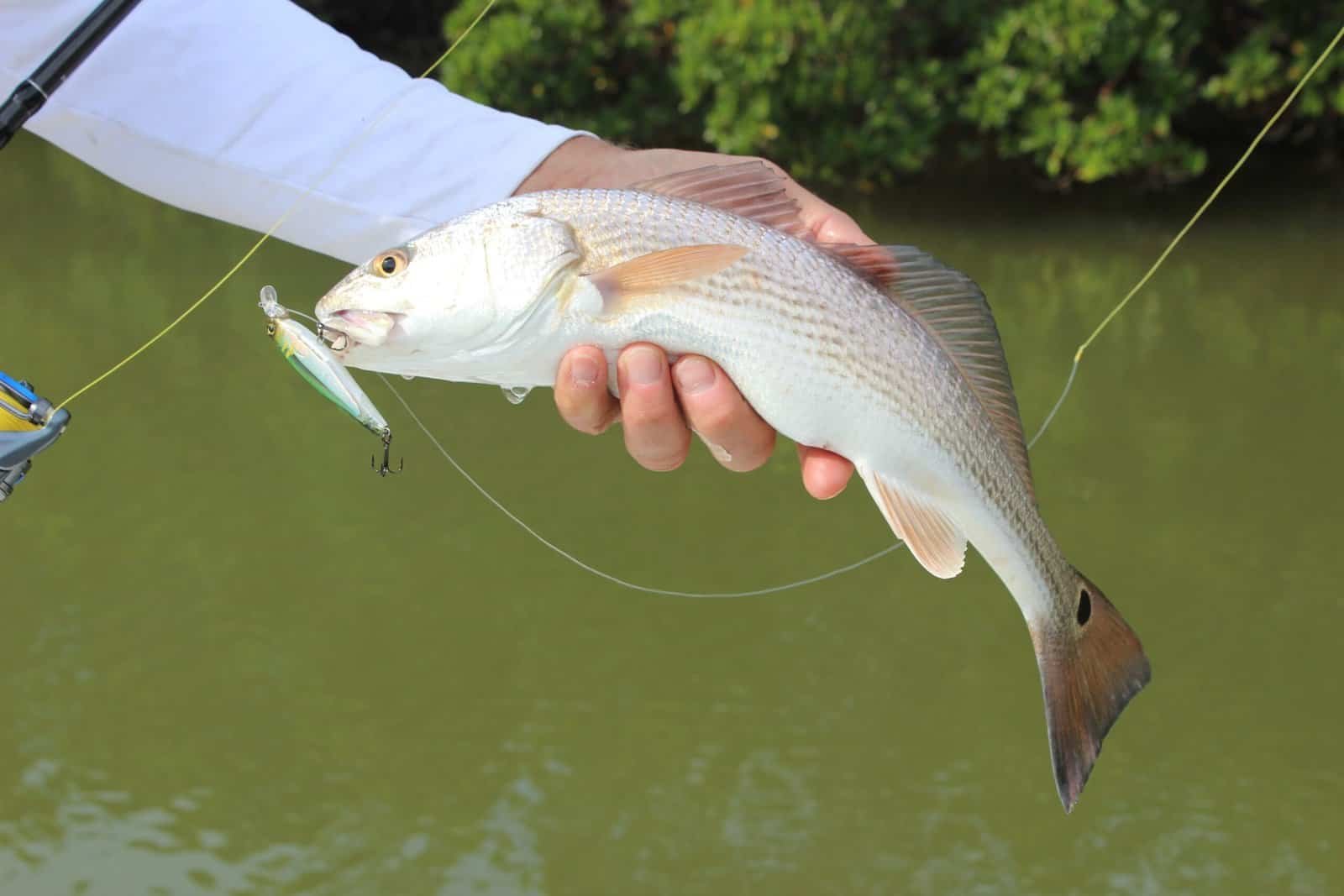
Best Redfish Lures
Discover the most productive artificial lures for Florida redfish and learn how habitat, forage, current, and water conditions influence lure selection.
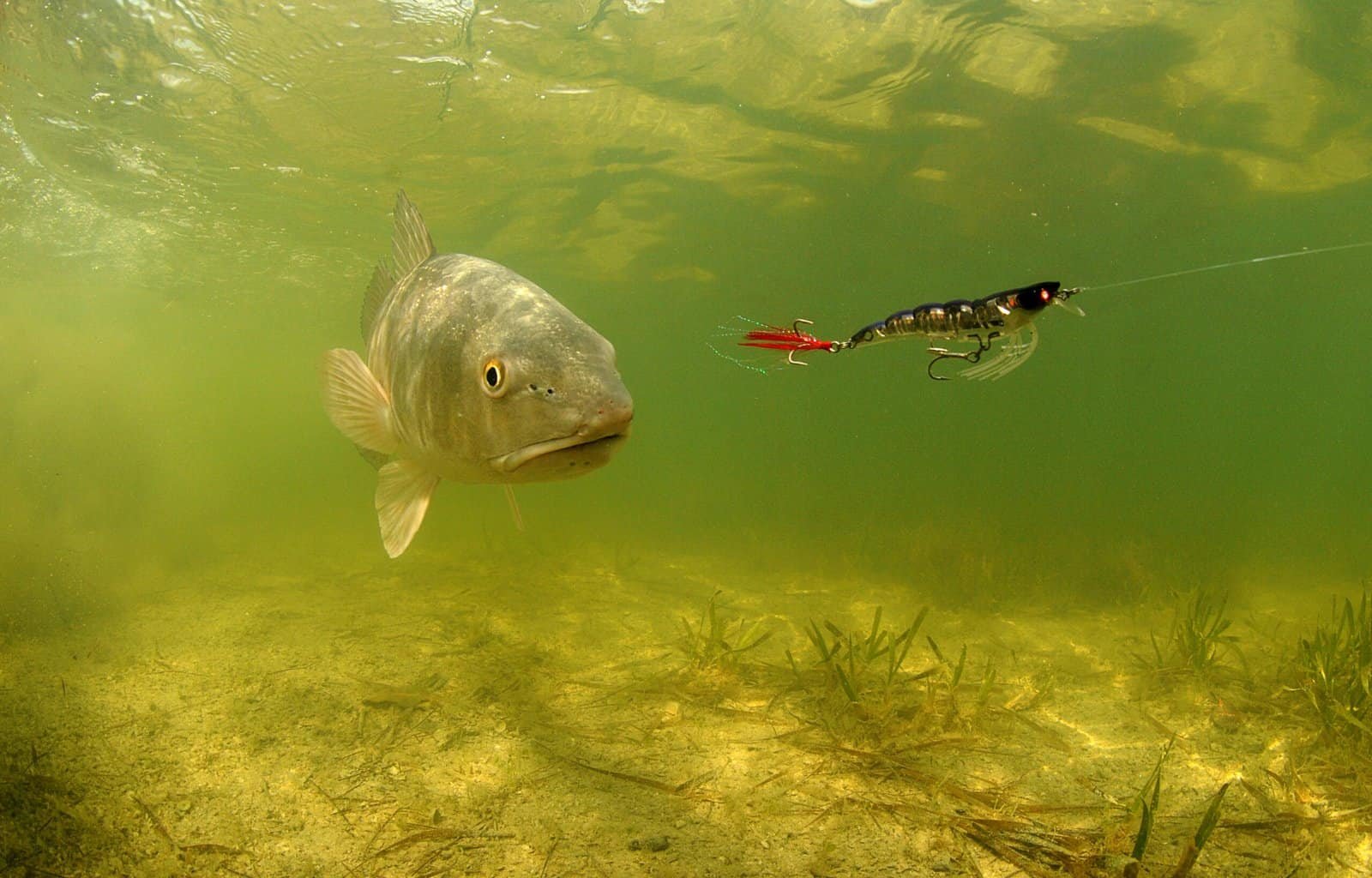
Redfish Colors
Learn how to choose redfish lure colors based on water clarity, sunlight, forage, depth, and changing fishing conditions.
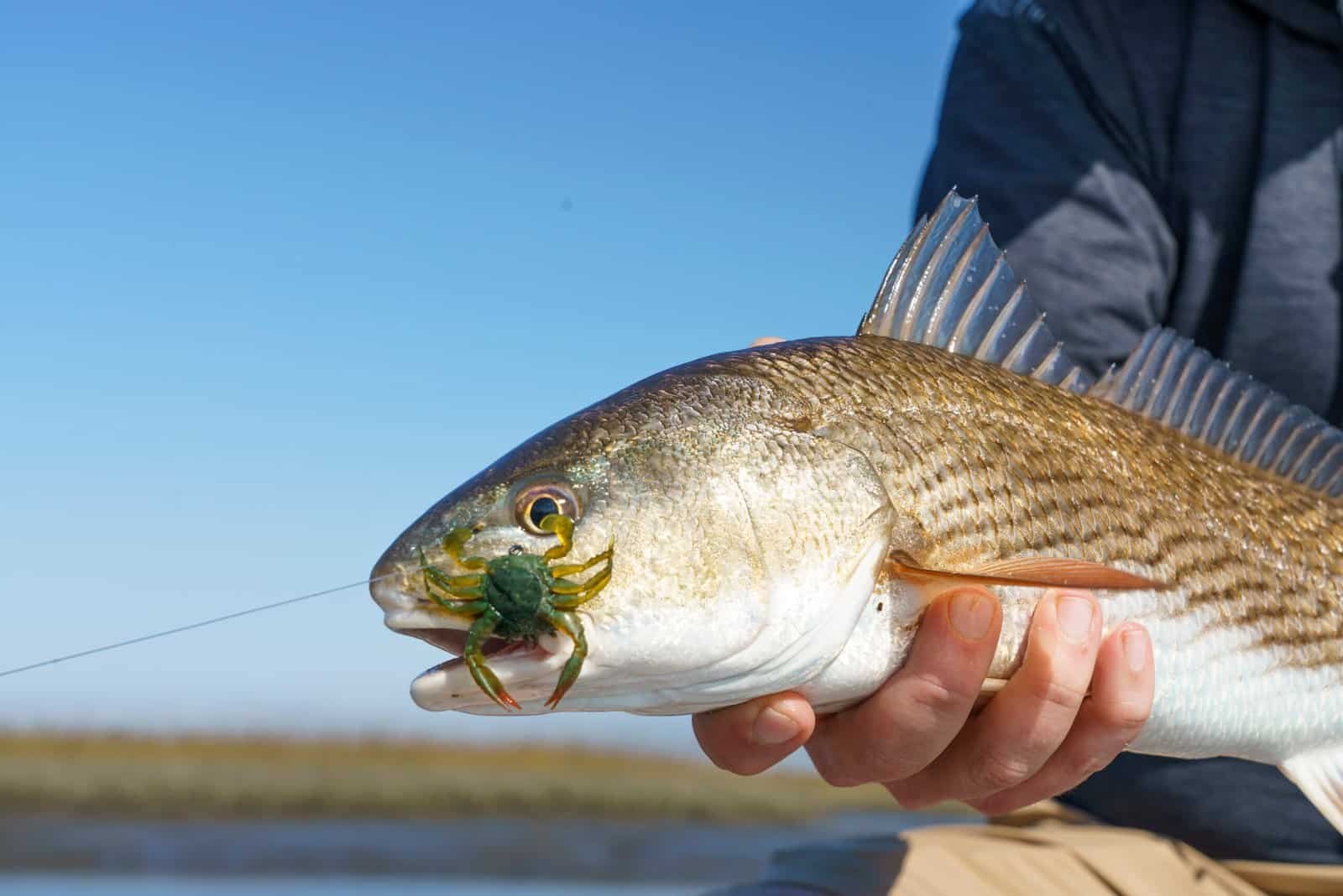
Florida Redfish Fishing
Explore our complete Florida Redfish Fishing Guide covering habitat, behavior, tides, artificial lures, seasonal patterns, and fishing techniques.
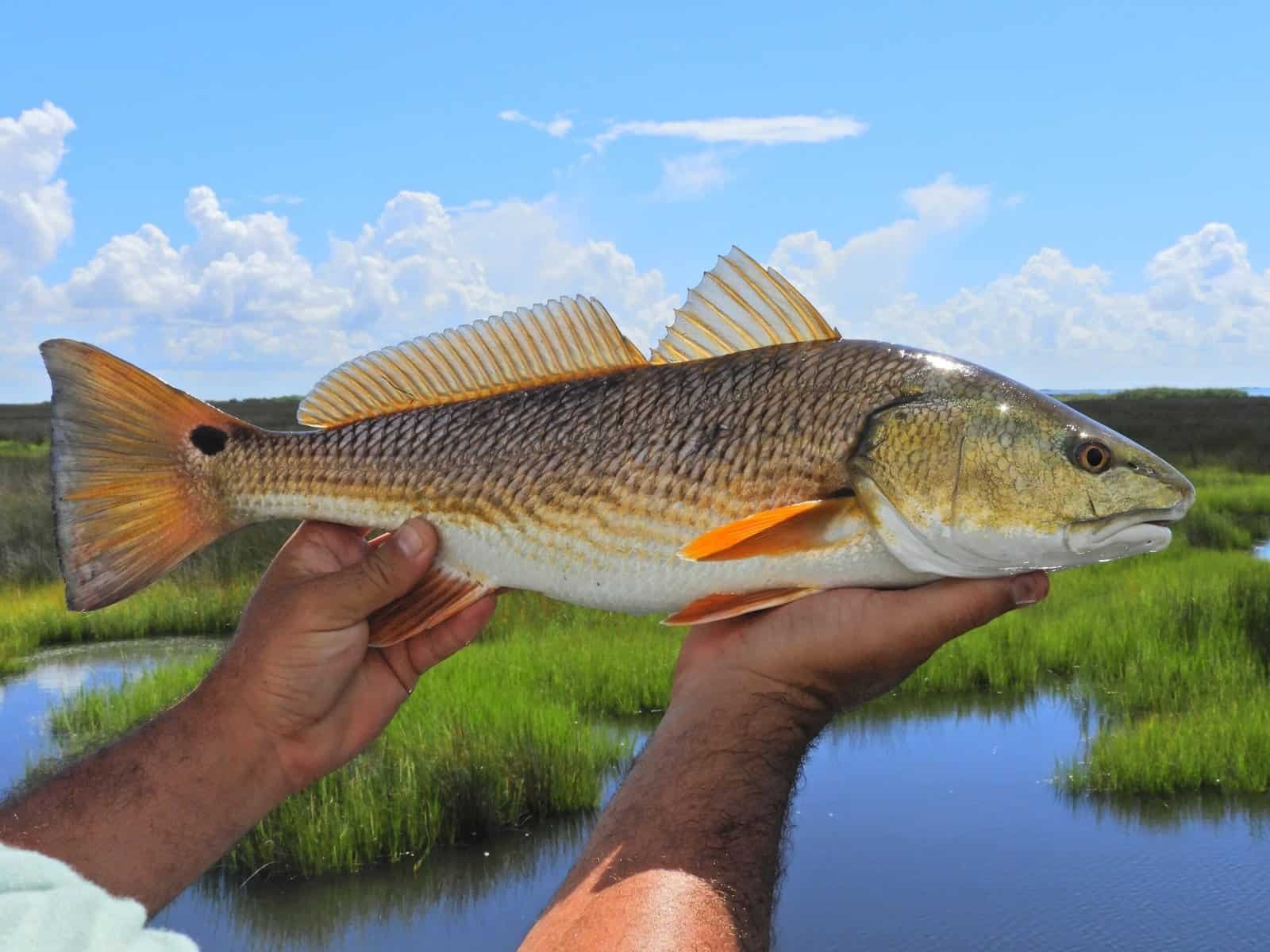
Fishing Grass Flats
Learn how to locate redfish using potholes, grass edges, bait movement, tides, and other features across Florida's shallow grass flats.