Don't miss our holiday offer - 20% OFF!

Florida Redfish Fishing
Everything You Need to Know About Catching Redfish in Florida
Powerful, hard-fighting, and found throughout Florida’s coastal waters, the redfish is one of the state’s most popular inshore gamefish. Whether you’re stalking tailing fish across shallow grass flats, casting along mangrove shorelines, or working oyster bars during a moving tide, redfish offer exciting action for anglers of every skill level.
This guide covers everything from understanding redfish behavior and seasonal movements to selecting the best artificial lures, locating productive habitats, and fishing Florida’s Gulf and Atlantic coasts.
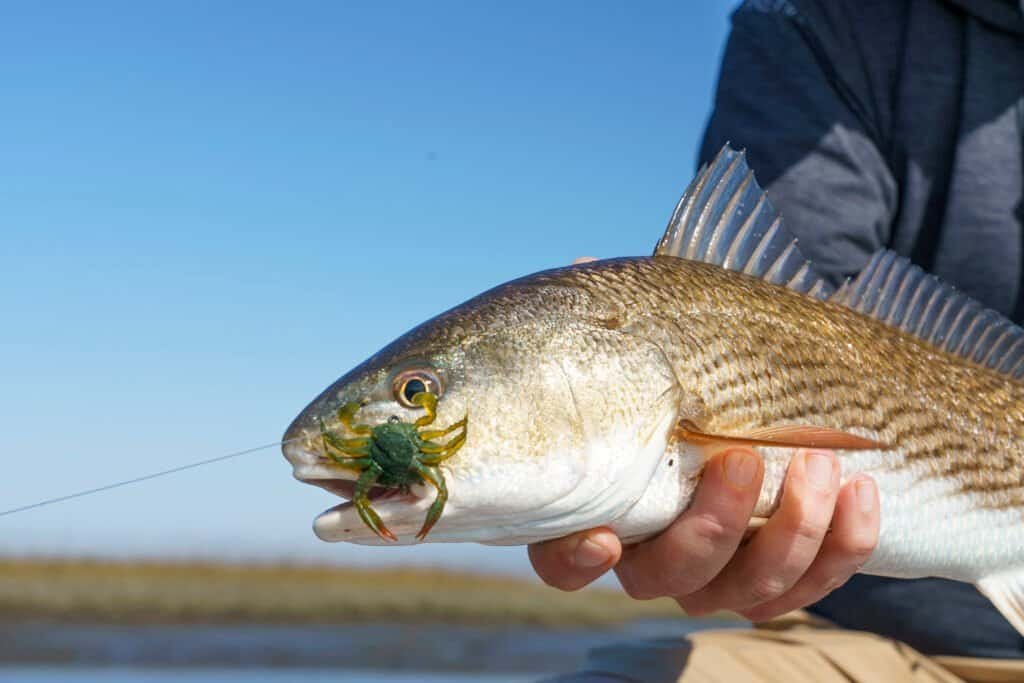
What Is a Redfish?
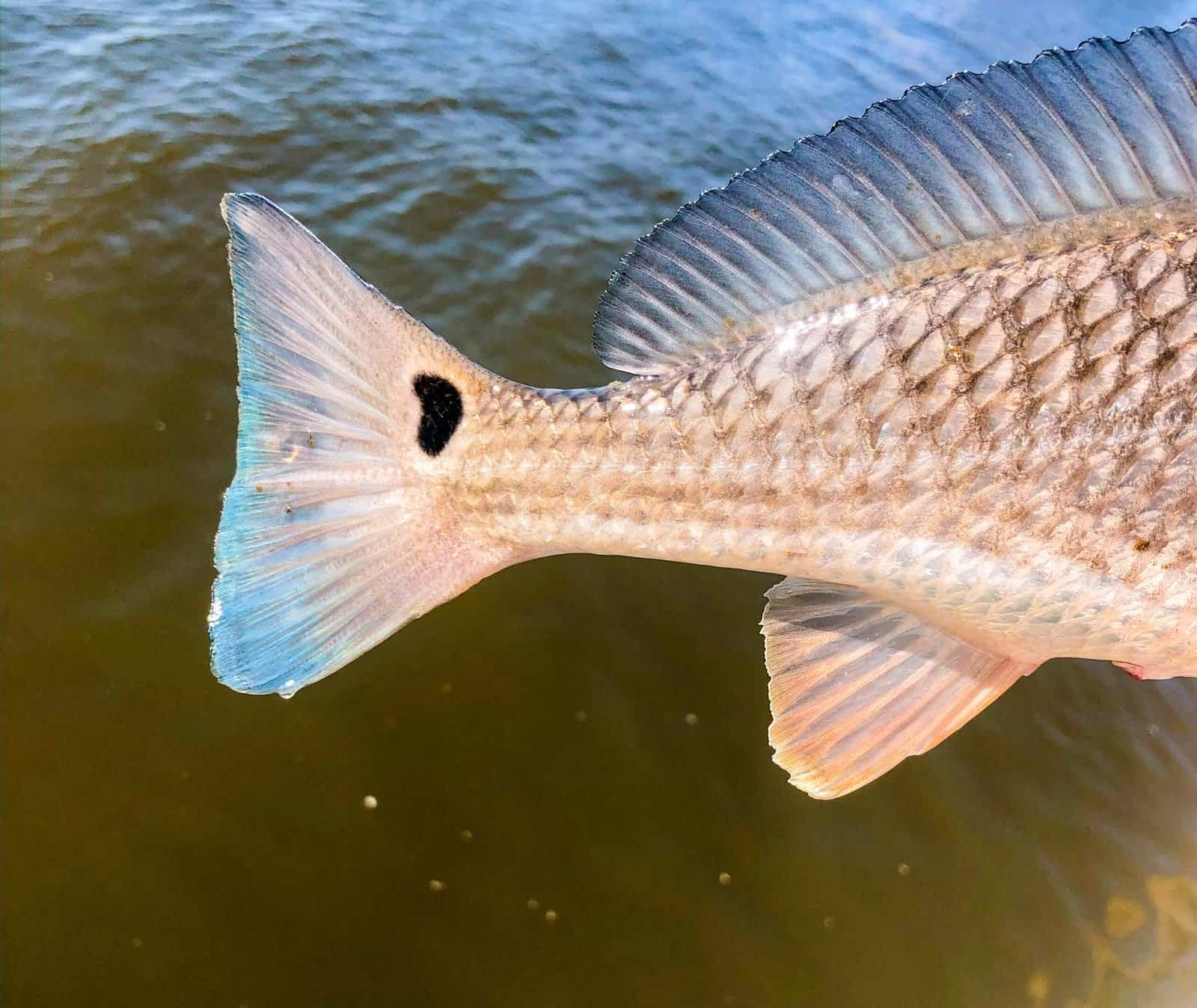
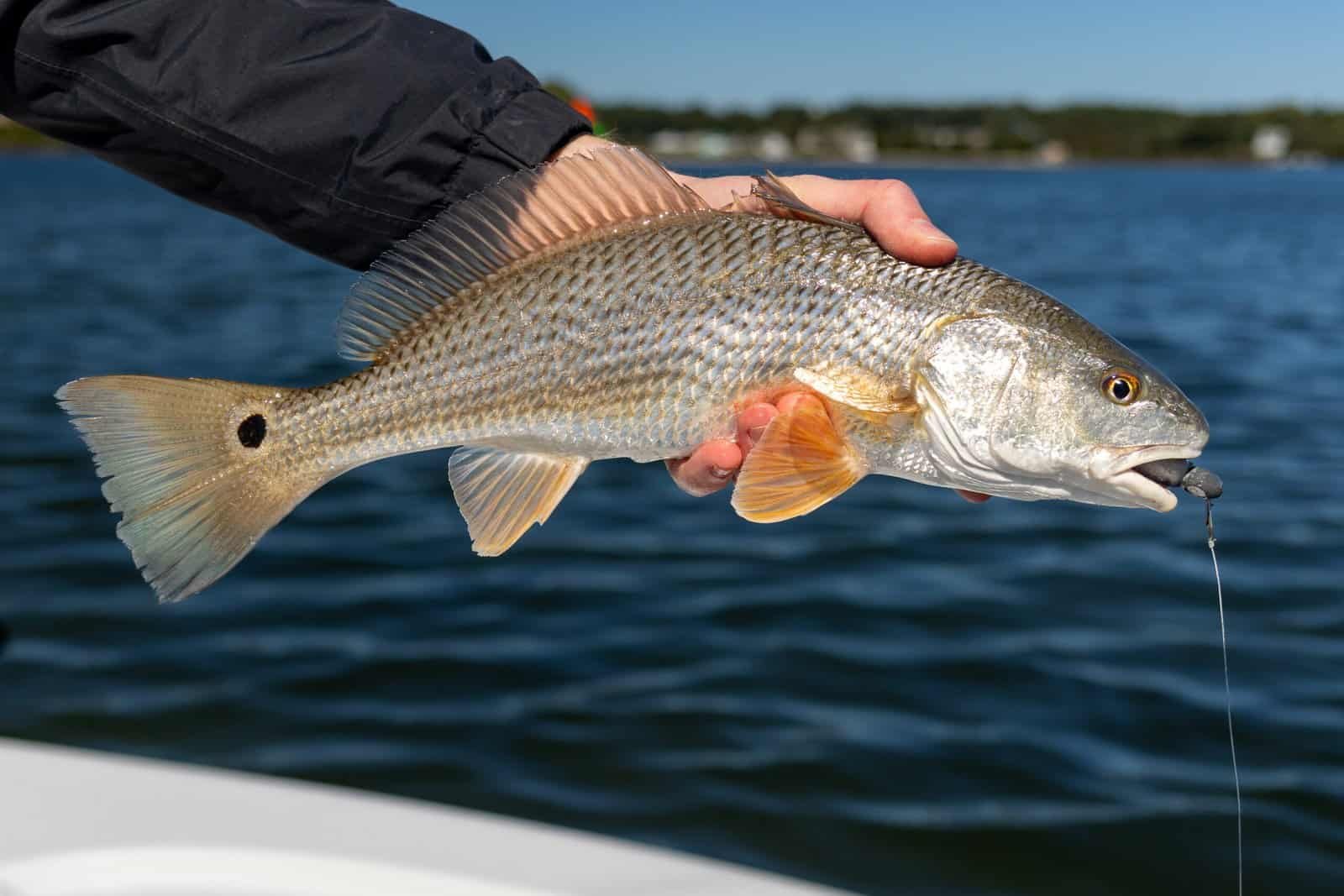
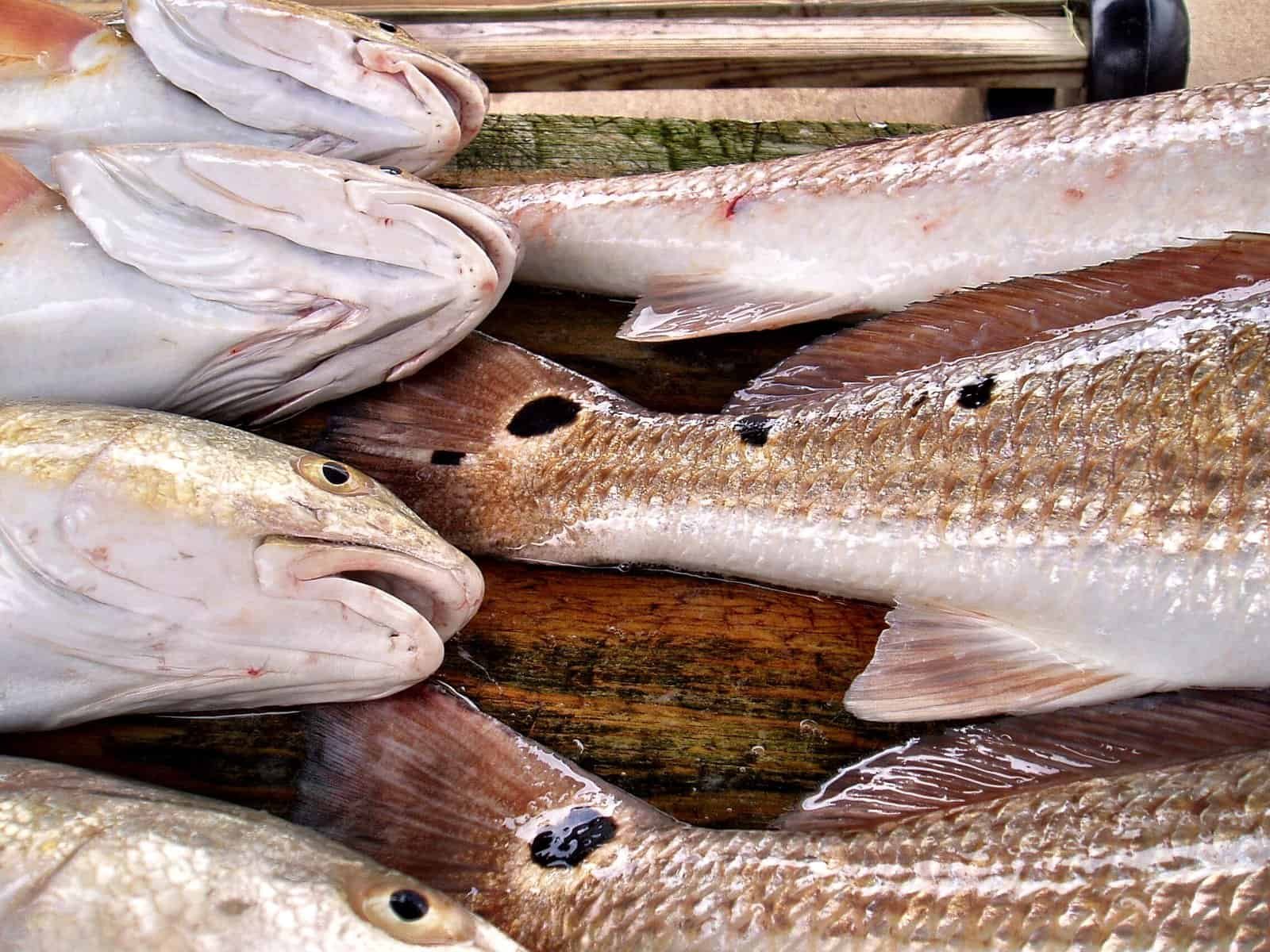
Redfish are one of Florida’s most recognizable and popular inshore gamefish. Known for their copper-colored bodies, powerful runs, and distinctive black tail spots, redfish can be found throughout Florida’s coastal waters from the shallow grass flats of the Gulf Coast to the lagoons, marshes, and estuaries of the Atlantic Coast.
The redfish’s scientific name is Sciaenops ocellatus, and the species is also commonly known as the red drum. The “drum” name comes from the low-frequency drumming or croaking sounds produced primarily by males using specialized muscles associated with the swim bladder, particularly during spawning.
For Florida anglers, however, they’re usually simply called reds.
How to Identify a Redfish
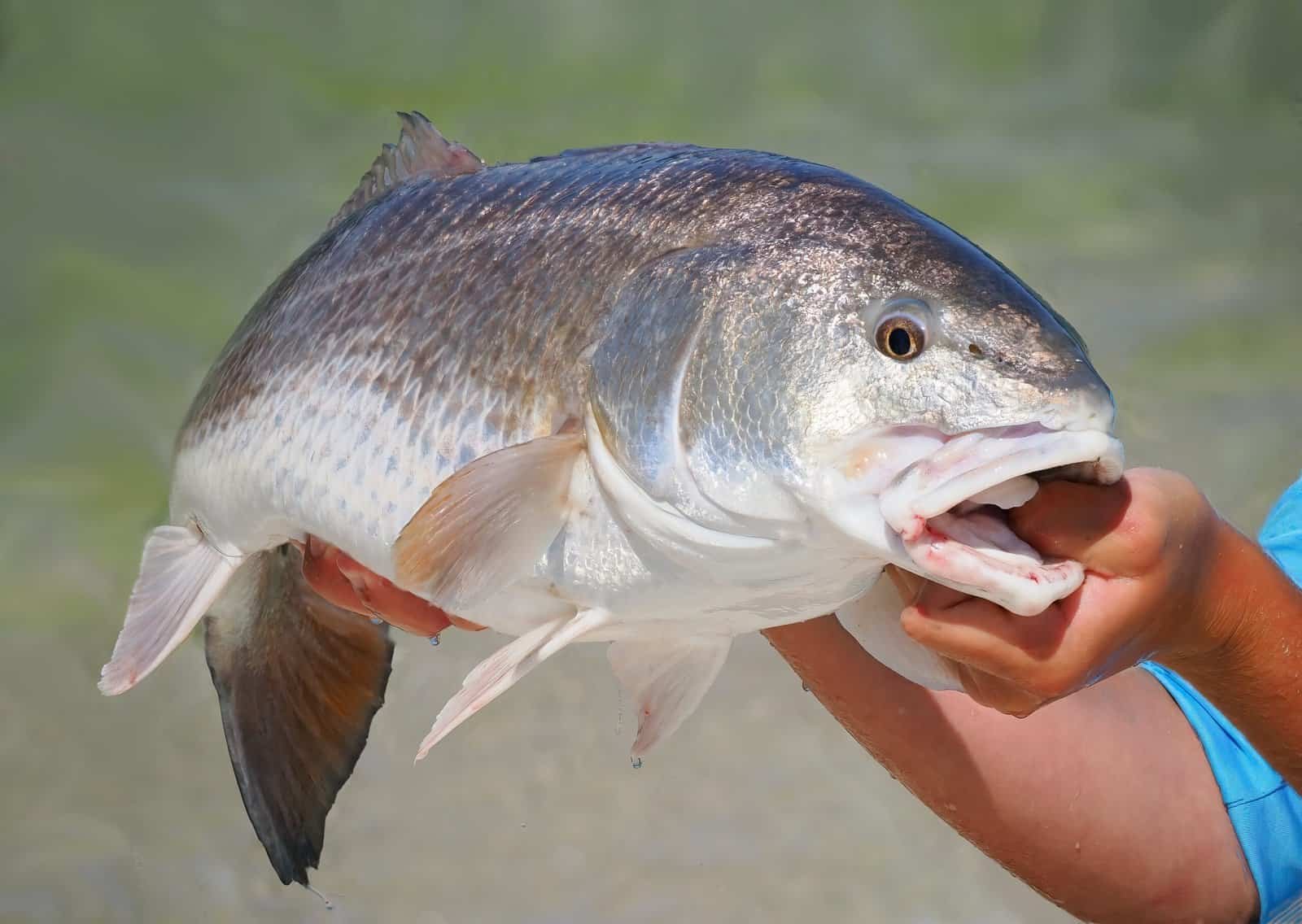
Redfish have a relatively long, streamlined body with a blunt nose and large scales. Their coloration can vary considerably depending on water clarity, habitat, and individual fish.
Most display shades ranging from copper and bronze to reddish-gold along their backs and sides, gradually fading to a much lighter belly.
Their most recognizable feature is a black spot near the base of the tail.
Many redfish have one prominent spot on each side, but some individuals develop several spots—and occasionally dozens of them. The number and arrangement of spots can vary dramatically from fish to fish.
The black tail spot is believed to help confuse predators by creating a false target away from the fish’s head.
Redfish Can Be Found Throughout Florida
One reason redfish are such an important part of Florida’s inshore fishery is their widespread distribution.
They can be caught along both Florida’s Gulf Coast and Atlantic Coast, including bays, lagoons, estuaries, tidal rivers, salt marshes, mangrove shorelines, and the Intracoastal Waterway.
Depending on the location and season, anglers may find redfish around:
- Seagrass flats
- Oyster bars
- Mangrove shorelines
- Salt marshes
- Creek mouths
- Docks and bridges
- Channels
- Sandy potholes
Juvenile and adult redfish spend much of their lives around coastal and estuarine environments, while mature fish may move into passes, nearshore waters, and larger coastal spawning aggregations.
That wide range of habitat is one reason anglers can target redfish throughout much of Florida during every season of the year.
How Big Do Florida Redfish Get?
Florida redfish come in a tremendous range of sizes.
Young fish may weigh only a few pounds, while mature redfish can grow beyond 40 inches and become extremely powerful gamefish. Exceptionally large red drum can weigh several dozen pounds.
The fish most commonly encountered by inshore anglers are considerably smaller than the giants found around passes and coastal waters, but even a moderate-sized redfish is capable of making powerful runs on light tackle.
This combination of accessibility and fighting ability is a major part of their appeal.
Slot Redfish vs. Bull Redfish
Florida anglers commonly use terms such as “slot red” and “bull red.”
A slot redfish refers to a fish that falls within the legal harvest size range established by current Florida fishing regulations. Because regulations can vary by management area and may change, anglers should always verify current size limits, seasons, and bag limits before keeping a fish.
“Bull red” isn’t a regulatory classification. It’s an angling term generally used to describe exceptionally large adult redfish, often measuring well beyond the legal slot.
Despite the name, a bull redfish isn’t necessarily male. Large females are commonly called bull reds as well.
These oversized fish can produce long, powerful runs and are among the most impressive fish an inshore angler can encounter.
Why Florida Anglers Love Redfish
Redfish combine nearly everything anglers want from an inshore gamefish.
They’re strong.
They’re aggressive.
They eat a wide variety of natural forage and artificial lures.
And they inhabit environments that make fishing for them incredibly interesting.
One day might involve quietly sight-casting a soft plastic crab to a tailing redfish in less than two feet of water. Another could involve throwing paddle tails across a grass flat, working a gold spoon around an oyster bar, or skipping a lure beneath mangroves on a rising tide.
Redfish also feed on an extensive menu that includes shrimp, crabs, mullet, pinfish, mud minnows, and other small baitfish, making them excellent targets for anglers who prefer fishing artificial lures.
Perhaps most importantly, redfish reward anglers who learn to read the water. Understanding tides, current, habitat, bait movement, and seasonal patterns can turn seemingly empty water into a productive fishing area.
That’s what makes Florida redfish fishing so addictive. Finding the fish is often just as rewarding as catching them—and once a redfish realizes it’s hooked, the fight is only beginning.
Where Redfish Live in Florida
One of the reasons redfish are such a popular Florida inshore gamefish is their ability to thrive in a wide variety of habitats. They aren’t limited to one type of water or structure. Redfish move throughout estuaries following tides, water temperatures, and—most importantly—food.
Understanding these habitats helps anglers stop fishing random water and start identifying areas where redfish are likely to feed. Grass flats, oyster bars, mangrove shorelines, salt marshes, docks, and tidal creeks can all produce redfish, but each requires a slightly different approach.
Grass Flats
Florida’s grass flats provide redfish with nearly everything they need: shallow water, protection, and an abundant food supply.
Healthy seagrass supports shrimp, crabs, pinfish, small mullet, and other forage. Redfish move across these flats searching for food, sometimes individually and sometimes in schools. In very shallow water, feeding fish may reveal themselves through wakes, pushes, or their tails breaking the surface.
When to Fish Grass Flats
A rising tide can be particularly productive because increasing water levels allow redfish to move onto shallow portions of the flat that were previously inaccessible.
Instead of simply fishing the middle of a large flat, concentrate on features that interrupt an otherwise uniform bottom:
- Sandy potholes
- Grass edges
- Small channels
- Points
- Depressions
- Oyster patches
- Areas holding visible bait
As the tide falls, redfish often retreat toward deeper edges and channels.
Best Lures for Grass-Flat Redfish
Paddle tail swimbaits are excellent search lures because they allow anglers to cover large areas quickly. Weedless soft plastics are particularly useful when grass grows close to the surface.
Topwater lures can also produce explosive strikes during low-light periods, while soft plastic shrimp and crab imitations provide slower presentations when fish aren’t actively chasing bait.
Fishing Tip: Don’t automatically make your longest cast toward deeper water. Redfish frequently travel surprisingly close to the shoreline, especially during higher stages of the tide.
Oyster Bars
Oyster bars are redfish magnets because they combine structure, current, and food in one location.
Shrimp, small crabs, baitfish, and other organisms live around oyster beds. When tidal current moves across the shells, that forage becomes vulnerable, giving redfish an opportunity to feed without expending much energy.
Look beyond the visible oyster shells. Points, cuts, submerged edges, and depressions surrounding an oyster bar can be even more productive than the bar itself.
Redfish frequently position along the current-swept edges where food is delivered directly to them.
Best Lures for Oyster Bars
Soft plastic crabs and shrimp are natural choices because they imitate forage already living around the oysters. Paddle tails and jigs can also be worked along the edges.
Gold spoons are another excellent option for covering shallow water surrounding oyster structure.
Fishing Tip: Oyster shells are extremely abrasive. Check your leader frequently after dragging a lure across shell or fighting a fish around an oyster bar.
Mangrove Shorelines
Mangrove shorelines offer redfish food, shade, and protection—particularly when higher tides provide enough water for fish to move beneath the overhanging branches.
Redfish cruise mangrove edges searching for shrimp, crabs, and small baitfish living around the submerged root systems. Instead of remaining stationary like some ambush predators, reds often travel along the shoreline, stopping wherever they find concentrated forage.
High Tide Mangrove Fishing
Higher water levels can create some of the best mangrove fishing because redfish can move into areas that are inaccessible at lower stages of the tide.
This can also make them difficult to reach.
Accurate casting becomes extremely important. A lure landing several feet away from the shoreline may never enter the strike zone.
Weedless paddle tails, jerk shads, shrimp, and crab imitations are excellent choices because they can be skipped beneath overhanging vegetation with less risk of becoming snagged.
Fishing Tip: Look for irregularities in the shoreline. Small points, pockets, creek openings, and isolated mangrove clumps often concentrate fish better than hundreds of yards of identical shoreline.
Salt Marshes
Salt marshes can provide some of Florida’s most exciting shallow-water redfish opportunities, particularly along areas of the coast where expansive marsh systems dominate the shoreline.
As rising tides flood shallow marshes, redfish move into areas that may contain very little water at low tide.
They’re following the food.
Shrimp, small baitfish, and especially fiddler crabs and other crustaceans become accessible as water covers the marsh floor.
Sight Fishing for Marsh Redfish
Because the water can be extremely shallow, feeding redfish often reveal their location.
Watch for:
- Tails breaking the surface
- V-shaped wakes
- Mud clouds
- Nervous bait
- Water pushing along the shoreline
These clues can turn redfish fishing into true hunting.
Soft plastic crabs are particularly well suited for this environment, along with weedless shrimp, small paddle tails, and other subtle presentations.
Fishing Tip: Don’t cast directly on top of a visible redfish. Place the lure ahead of the fish and allow it to intercept the bait naturally.
Docks
Redfish aren’t exclusively shallow-flat fish. Residential docks, bridges, pilings, and seawalls can also provide excellent habitat.
Docks create several things redfish find attractive: shade, structure, current breaks, and food.
Barnacles and other marine growth attract crustaceans and small baitfish. Current flowing around pilings creates natural feeding lanes, while shade provides security during bright conditions.
Fishing Docks for Redfish
Pay particular attention to:
- Outer pilings
- Dock corners
- Deep ends
- Current-facing sides
- Drop-offs adjacent to the dock
- Areas where grass or oyster bottom meets structure
Paddle tails, shrimp imitations, and jerk shads can be skipped beneath docks to reach fish that receive less pressure from anglers casting only around the outside.
Fishing Tip: Getting a redfish to bite beneath a dock is only half the battle. Be prepared to turn the fish quickly before it wraps your line around a piling.
Creek Mouths and Tidal Channels
Creek mouths are among the most predictable places to locate feeding redfish because tides naturally concentrate food.
Small tidal creeks connect marshes, mangrove areas, flats, and backwaters with larger bays and channels. As water moves through these narrow openings, shrimp, crabs, baitfish, and other forage move with it.
Redfish understand this and position themselves accordingly.
Fishing the Outgoing Tide
An outgoing tide can make creek mouths particularly productive.
As water drains from shallow marshes and backwaters, forage is pulled toward deeper water. Redfish can position near the creek opening and allow the current to bring food directly to them.
Think of a creek mouth as a food funnel.
Rather than covering acres of water looking for individual prey, a redfish can hold near the current and wait for its next meal.
Paddle tails, shrimp imitations, bucktail jigs, and soft plastic crabs can all be productive. Cast into or across the moving water and allow the lure to travel naturally with the current.
Fishing Tip: Look for current seams where fast-moving water meets slower water. Redfish often hold just outside the strongest current and move into the flow to intercept prey.
Follow the Water, Follow the Food
The best redfish habitat isn’t necessarily the prettiest shoreline or the largest grass flat. It’s the habitat that provides the right combination of water depth, current, cover, and available forage at that particular stage of the tide.
A shallow grass flat may be excellent during a rising tide but nearly empty several hours later. Mangroves may become productive as high water allows fish beneath the branches. Then, as the tide falls, those same redfish may move toward creek mouths, oyster edges, and deeper channels.
Learning these movements is one of the keys to consistently catching Florida redfish.
Instead of asking only “Where do redfish live?”, successful anglers eventually begin asking a better question:
“Where should the redfish be right now?”
That shift—from fishing locations to understanding fish movement—is what turns good-looking water into productive water.
Understanding Redfish Behavior
Finding good-looking redfish habitat is only part of the equation. The next step is understanding how redfish behave within that habitat.
Redfish are constantly responding to changing water levels, available forage, water temperature, wind, fishing pressure, and weather conditions. A grass flat that seems empty in the morning may hold feeding fish several hours later simply because the tide has changed.
Learning to recognize these behavioral patterns helps anglers predict where redfish are likely to be and, just as importantly, how they should be approached.
Schooling Behavior
Redfish can be solitary, travel in small groups, or form large schools depending on their size, season, location, and available food.
Smaller and slot-sized redfish are commonly encountered in small groups across grass flats, marshes, and shorelines. When forage becomes concentrated, however, much larger groups can develop.
Schooling fish may reveal themselves through:
- Large wakes moving across shallow water
- Nervous or scattering baitfish
- Mud clouds
- Birds working above feeding fish
- Multiple tails breaking the surface
- Sudden surface disturbances
When you locate a school, avoid immediately driving or drifting directly over it. Position yourself ahead of the fish’s direction of travel and make long casts toward the outside edges.
A hooked fish running through the middle of a school can scatter the remaining redfish.
Fishing Tip: When a school is moving, determine its direction before casting. Getting the lure in front of the fish is usually much more effective than chasing them from behind.
Tailing Redfish
Few sights in Florida inshore fishing are more exciting than a redfish tail breaking the surface.
“Tailing” occurs when a redfish tips its body downward to feed along the bottom. Because the fish’s head is down and its body is angled upward, the tail may extend above the surface.
These fish are usually searching for bottom-dwelling forage such as:
- Crabs
- Shrimp
- Small baitfish
- Marine worms
- Other crustaceans
Tailing frequently occurs in shallow water where redfish can reach the bottom while their tails remain near the surface.
A tailing fish is obviously feeding, but that doesn’t necessarily make it easy to catch. Redfish in extremely shallow water can also be highly sensitive to noise and unnatural movement.
Soft plastic crabs, shrimp imitations, and other subtle presentations are excellent choices.
Fishing Tip: Don’t throw directly at the tail. Determine which direction the fish is facing and place your lure ahead of it. The goal is to let the redfish discover the lure rather than startling it with your cast.
Sight Fishing for Redfish
Florida’s shallow grass flats and marshes provide excellent opportunities to sight fish for redfish.
Instead of repeatedly casting into likely habitat, anglers visually locate individual fish or schools before making a presentation.
Look for more than the fish itself.
Signs of redfish include:
- Tails
- Wakes
- V-shaped pushes
- Mud clouds
- Shadows
- Nervous baitfish
- Water movement along shorelines
Sun position can make a significant difference. Higher sunlight often improves visibility into the water, while polarized sunglasses reduce glare and make fish easier to distinguish from the bottom.
Stealth becomes extremely important.
Avoid slamming compartment lids, dropping equipment, making unnecessary boat movements, or approaching shallow fish with an outboard motor.
Fishing Tip: When possible, keep the sun behind you. Better visibility allows you to spot fish farther away and prepare your cast before entering their comfort zone.
Redfish Feeding Windows
Redfish don’t necessarily feed at the same intensity throughout the entire day.
Instead, anglers frequently encounter periods when fish suddenly become more active. These feeding windows can be influenced by several factors working together:
- Tidal movement
- Current
- Water temperature
- Available forage
- Sunrise and sunset
- Weather changes
- Wind
This explains why a shoreline may appear lifeless for an hour and suddenly become productive without the angler changing locations.
Rather than assuming fish aren’t present, consider whether conditions are about to change.
Sometimes the best decision is simply waiting for the water to begin moving.
How Tides Affect Redfish
Tides are one of the most important influences on redfish movement.
Rather than thinking of tides only as “high” and “low,” think about how changing water depth affects access to food.
Rising Tide
As water rises, redfish can move into areas that were previously too shallow.
This may include:
- Flooded grass
- Mangrove roots
- Marsh edges
- Shallow oyster areas
- Backwater shorelines
Redfish often follow the rising water because shrimp, crabs, and baitfish are moving into these newly flooded areas.
Falling Tide
As water drains, redfish frequently leave the shallowest areas and reposition around:
- Creek mouths
- Oyster edges
- Channels
- Drop-offs
- Deeper potholes
An outgoing tide can concentrate forage as water drains from marshes and shallow flats, creating excellent feeding opportunities.
Fishing Tip: Don’t simply ask whether the tide is high or low. Ask where that tide should be moving the fish.
Water Temperature
Redfish tolerate a wide range of temperatures, but temperature still has a major influence on their activity and location.
During moderate conditions, redfish may actively roam shallow flats and shorelines searching for food.
Extremely warm or cool water can change that behavior.
During hot summer conditions, fish may become more active during early morning, evening, or periods of strong tidal movement. Shade beneath mangroves and docks and access to deeper water can become increasingly important.
During cooler periods, redfish may seek deeper holes, channels, canals, or sun-warmed shallow areas where temperatures are more comfortable.
Water temperature also affects the forage redfish are pursuing, so seasonal changes in bait movement can be just as important as temperature itself.
Weather Changes
Florida weather can change quickly, and redfish often respond to those changes.
Changes in atmospheric conditions, cloud cover, rainfall, wind, and temperature can influence both bait movement and fish activity.
Cloudy conditions may encourage redfish to roam more freely across shallow flats because reduced sunlight makes them feel less exposed. Bright conditions can sometimes push fish closer to structure, deeper water, mangroves, or shaded areas.
Rain can also change salinity and water clarity, particularly around rivers, creeks, and estuaries.
Rather than viewing weather only as comfortable or uncomfortable for the angler, consider how it changes the environment beneath the surface.
Cold Fronts
Cold fronts deserve special attention because they can dramatically change Florida inshore fishing.
Ahead of an approaching front, falling pressure, increasing wind, and changing conditions can sometimes trigger aggressive feeding.
After the front passes, conditions may become much more difficult. Cooler temperatures and strong north winds can reduce water levels in some shallow areas, while rapidly falling water temperatures can make fish less active.
After a significant front, redfish may move toward:
- Deeper channels
- Creek holes
- Canals
- Protected shorelines
- Dark-bottom areas warmed by sunlight
Slowing your presentation can become especially important.
Instead of aggressively retrieving a lure, allow shrimp, crabs, or soft plastics to remain in the strike zone longer.
Fishing Tip: During winter cold-front conditions, the afternoon bite can sometimes outperform sunrise because shallow water has had several hours to warm in the sun.
Wind and Redfish
Wind can be both an obstacle and an advantage.
Strong wind makes casting and sight fishing more difficult, but it also moves water, pushes bait, creates current, and can make redfish less cautious by breaking up the water’s surface.
Pay attention to windblown shorelines.
Wind can push baitfish and floating food toward one side of a bay or shoreline, creating feeding opportunities for redfish. However, too much wind can muddy shallow water and make those same areas less productive.
Protected shorelines may offer cleaner water and easier presentations.
Wind direction can also affect water depth. Sustained winds can push water into shallow areas or pull it away, making actual conditions very different from what a tide chart alone might suggest.
Learn to Read the Fish, Not Just the Spot
The biggest lesson in understanding redfish behavior is that redfish move for a reason.
They’re usually responding to food, water depth, current, temperature, protection, or some combination of those factors.
Instead of returning to a productive location and assuming fish will always be there, try to understand why they were there when you caught them.
Was the tide rising?
Were mullet moving across the flat?
Was current flowing around an oyster point?
Had the afternoon sun warmed the water after a cold front?
Were crabs becoming accessible along a flooded marsh?
Those observations begin to create patterns.
And once you understand the pattern, you’re no longer relying on a favorite fishing spot. You’re learning how to locate redfish throughout Florida’s inshore waters under changing conditions.
That is a much more valuable skill.
Seasonal Redfish Fishing in Florida
Redfish can be caught in Florida throughout the year, but their behavior changes with water temperature, bait movement, tides, and weather. Understanding these seasonal patterns helps anglers choose better locations, presentations, and times of day instead of fishing the same way in every season.
Florida’s climate keeps inshore fishing active year-round, but each season has its own advantages.
Spring
Spring is one of the most consistent times to target redfish in Florida. As water temperatures begin to rise, baitfish and crustaceans become more active, and redfish spread into shallow feeding areas.
Grass flats, oyster edges, creek mouths, and mangrove shorelines can all become productive as fish move out of deeper winter holding areas.
Shrimp remain an important food source during spring, making shrimp imitations, small paddle tails, and other natural presentations especially effective.
Spring redfish are often willing to move farther to feed, which makes this a good time to cover water rather than staying in one location too long.
Best Areas
- Grass flats
- Oyster bars
- Creek mouths
- Mangrove edges
- Shallow bays
Best Lures
- Soft plastic shrimp
- Paddle tail swimbaits
- Jerk shads
- Gold spoons
Fishing Tip: Pay attention to warming afternoons early in the season. A few degrees of additional water temperature can move redfish onto shallow flats where they become much easier to locate.
Summer
Summer redfish fishing often revolves around avoiding the hottest part of the day.
Early morning can produce some of the best action, especially around grass flats, shorelines, and shallow oyster areas before the sun gets high. As water temperatures rise, redfish frequently move toward shade, deeper water, or areas with stronger tidal flow.
Mangrove shorelines and docks become particularly important because they offer both shade and structure.
High tides may push fish beneath mangrove overhangs, while dock pilings provide cooler water, current breaks, and access to bait.
Best Areas
- Mangrove shorelines
- Shaded docks
- Deeper grass edges
- Creek channels
- Areas with strong tidal flow
Best Lures
- Weedless paddle tails
- Jerk shads
- Soft plastic shrimp
- Topwater lures early in the morning
Fishing Tip: In summer, timing often matters as much as location. Early morning and moving tides can be far more productive than fishing the same area during a hot, stagnant afternoon.
Fall
Fall is one of the most exciting seasons for Florida redfish fishing.
Large schools of mullet and other baitfish move through Florida’s coastal waters, creating abundant feeding opportunities. Redfish often become more aggressive and may gather in larger schools as they take advantage of concentrated forage.
This is an excellent season for covering water with faster-moving artificial lures.
Topwater action can be particularly good during mornings and overcast conditions when fish are chasing bait close to the surface.
Paddle tails and spoons also shine because they can imitate fleeing baitfish and cover large areas quickly.
Best Areas
- Grass flats
- Bait-filled shorelines
- Creek mouths
- Oyster bars
- Points and current seams
Best Lures
- Topwater walking baits
- Paddle tail swimbaits
- Gold spoons
- Jerk shads
Fishing Tip: Find the bait first. Schools of mullet, nervous water, diving birds, and surface activity often reveal where redfish are feeding nearby.
Winter
Winter redfish fishing requires a different approach.
Cold fronts can push water temperatures down quickly, causing redfish to move toward deeper and more stable areas. Deep canals, creek holes, channels, and sheltered basins can become especially important.
Fish may also become less aggressive, making slow presentations more effective.
Instead of covering water rapidly, focus on areas where fish can conserve energy and remain comfortable.
Sunny afternoons can be particularly productive because shallow water may warm several degrees after a cold morning. Redfish may then move from deeper holding areas onto nearby mud, sand, oyster, or grass flats to feed.
Best Areas
- Deep canals
- Creek holes
- Protected basins
- Channel edges
- Sun-warmed shallow flats
Best Lures
- Soft plastic shrimp
- Slow-rolled paddle tails
- Bucktail jigs
- Soft plastic crabs
Fishing Tip: During winter, slow down. A redfish that ignores a fast-moving lure may still eat the same bait when it is crawled slowly across the bottom.
Follow the Seasonal Pattern
Redfish do not simply disappear when the seasons change. They reposition.
Spring often brings them back onto warming grass flats. Summer pushes many fish toward early feeding windows, shade, and moving water. Fall concentrates bait and encourages aggressive feeding. Winter sends fish toward deeper, more stable areas until warmer conditions return.
The more you understand these seasonal movements, the less you have to rely on luck.
Instead of asking, “Are the redfish biting?”, start asking a better question:
“Where should the redfish be this time of year, under today’s conditions?”
That mindset makes seasonal redfish fishing much more predictable.
Best Artificial Lures for Redfish
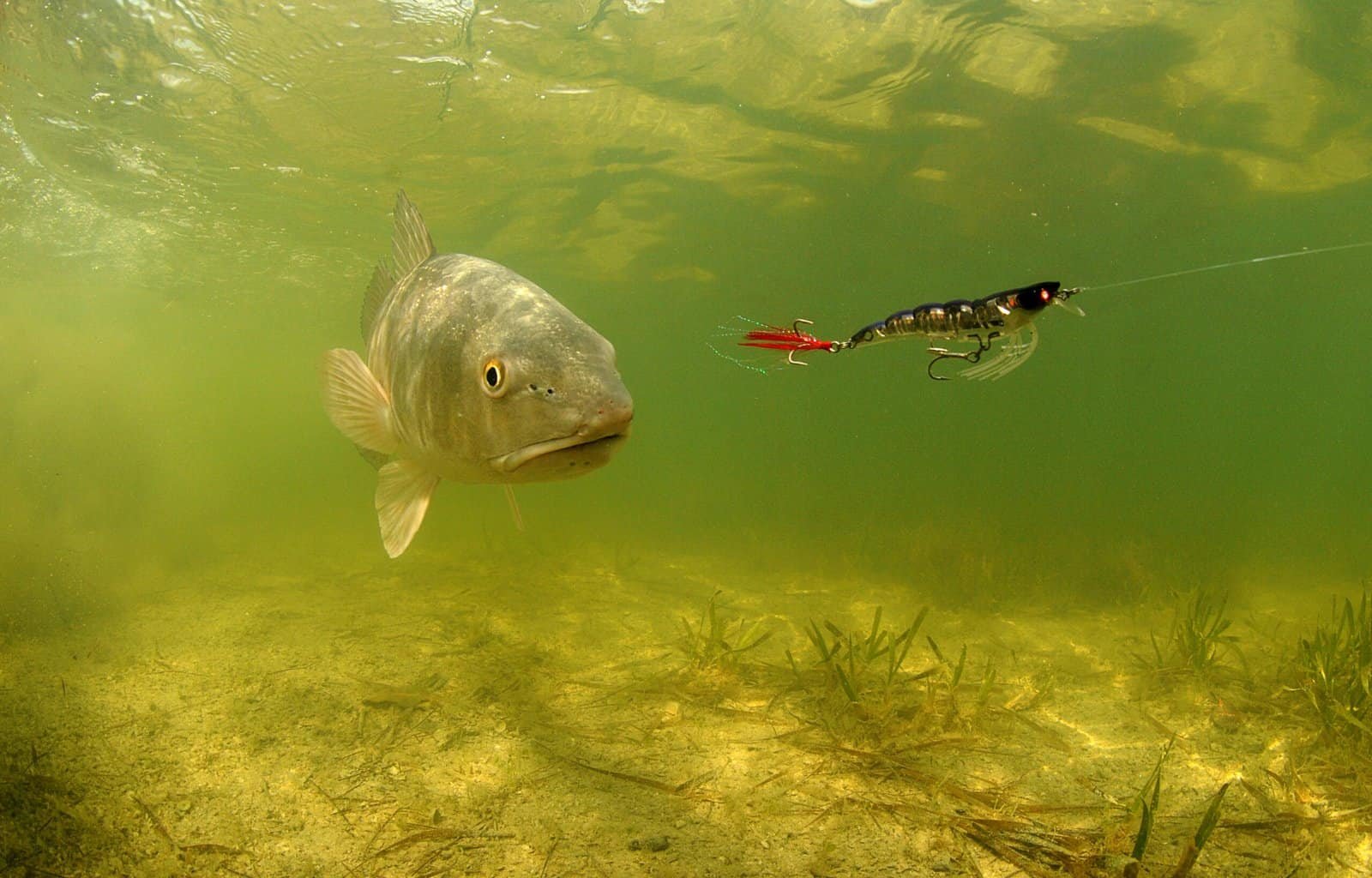
Redfish are opportunistic feeders that eat a wide variety of forage, including shrimp, crabs, mullet, pinfish, mud minnows, and other small baitfish. That varied diet makes them excellent targets for artificial lures.
The best redfish lure isn’t necessarily the most realistic one. The better choice is the lure that matches the forage, habitat, water depth, current, and feeding behavior you’re dealing with at that moment.
A paddle tail may be perfect for locating fish across a large grass flat, while a soft plastic crab may be a better choice for a tailing redfish feeding along the bottom. Learning when to change lure styles is far more valuable than searching for one “magic” redfish bait.
Paddle Tail Swimbaits
Paddle tail swimbaits are among the most versatile redfish lures an angler can carry. Their vibrating tail imitates small mullet, pinfish, and other baitfish while allowing anglers to cover water quickly.
They can be rigged on jig heads for open water or weedless hooks when fishing heavy grass and mangrove shorelines.
Paddle tails are particularly effective when redfish are actively searching for bait rather than concentrating on crabs or shrimp along the bottom.
Best For: Grass flats, creek mouths, mangrove edges, oyster bars, and searching large areas.
Best Presentation: Use a steady retrieve just above the grass or slow the bait down and allow it to occasionally contact the bottom.
Fishing Tip: Don’t automatically use a heavy jig head. In shallow water, a lighter presentation keeps the lure above the grass and often looks more natural.
Soft Plastic Shrimp
Shrimp are a major part of the redfish diet, making soft plastic shrimp one of the most dependable choices throughout the year.
Unlike paddle tails, shrimp imitations don’t need constant movement to be effective. They can be hopped, dragged, drifted with current, or allowed to slowly fall through the strike zone.
This makes them particularly useful when redfish are feeding slowly or holding around structure.
Best For: Docks, creek mouths, grass flats, mangrove shorelines, and oyster edges.
Best Presentation: Small hops followed by pauses often imitate a shrimp naturally moving along the bottom.
Soft plastic shrimp can also be fished beneath popping corks when covering open flats or deeper grass.
Soft Plastic Crabs
Crabs are one of the most important redfish forage species, particularly around oyster bars, salt marshes, mangroves, and shallow flats.
A crab imitation becomes especially effective when redfish are visibly rooting along the bottom or tailing in shallow water.
Unlike a fleeing baitfish, a crab doesn’t race through the water. Slow, deliberate presentations usually look more natural.
Best For: Tailing redfish, oyster bars, marshes, mangroves, and sight fishing.
Best Presentation: Crawl the lure along the bottom using occasional short hops.
When sight fishing, place the crab ahead of the redfish and allow the fish to discover it rather than constantly moving the lure.
Gold Spoons
The gold spoon is one of the classic Florida redfish lures for good reason.
Its combination of flash, vibration, and weed resistance makes it an excellent search bait across shallow flats and around submerged vegetation. A spoon can cover water quickly while remaining relatively easy to fish.
Gold is especially popular in stained or tannic water, where its flash remains visible without appearing excessively bright.
Best For: Grass flats, marshes, oyster edges, and stained water.
Best Presentation: Use a steady retrieve fast enough to keep the spoon working above vegetation and bottom structure.
Fishing Tip: If you’re exploring unfamiliar water and don’t know exactly where the redfish are holding, a spoon is an excellent lure for searching.
Topwater Walking Baits
Watching a redfish attack a topwater lure is one of the most exciting experiences in inshore fishing.
Walking-style topwaters imitate injured or vulnerable baitfish struggling across the surface. They’re particularly effective when mullet and other forage are active near the top of the water column.
Early morning, evening, overcast conditions, and fall bait migrations can produce excellent topwater action.
Best For: Grass flats, open shorelines, oyster edges, and areas holding schools of baitfish.
Best Presentation: A steady walk-the-dog retrieve with occasional pauses.
If a redfish misses the lure, resist the urge to immediately jerk it away. Continuing the retrieve or briefly pausing can trigger a second strike.
Bucktail Jigs
Bucktail jigs are simple, durable, and exceptionally effective when redfish are holding deeper than anglers can efficiently reach with weightless plastics.
They’re particularly useful around tidal current, bridges, deeper creek mouths, channels, and drop-offs.
Bucktails can be bounced along the bottom or allowed to sweep naturally with current.
Best For: Channels, deeper creek mouths, bridges, drop-offs, and stronger current.
Best Presentation: Maintain bottom contact using short lifts and controlled drops.
The key is using enough weight to reach the strike zone without making the presentation unnecessarily heavy.
Best Colors for Redfish Lures
Color selection doesn’t need to be complicated. Rather than carrying dozens of colors, think about water clarity, available light, and the forage you’re trying to imitate.
Clear Water
In clear water, redfish have plenty of opportunity to inspect a lure.
Natural colors are usually an excellent starting point.
Consider:
- Pearl
- White
- Silver
- Natural shrimp
- Mullet patterns
- Green pumpkin
- Translucent colors
Subtle flake can add flash without making the presentation overly aggressive.
Stained or Dirty Water
When visibility decreases, creating contrast and vibration becomes more important.
Productive choices can include:
- Chartreuse
- Root beer
- Dark brown
- Black
- Purple
- Gold
- Dark colors with contrasting tails
A chartreuse tail added to an otherwise natural-colored paddle tail is a popular way to increase visibility without dramatically changing the bait’s overall appearance.
Low-Light Conditions
During sunrise, sunset, heavy cloud cover, or other low-light conditions, silhouette becomes important.
Darker colors can actually become easier for fish to locate because they create a stronger outline against the brighter surface.
Black, dark purple, and other high-contrast colors can be extremely effective.
Bright Sun
Under bright conditions—particularly in clear water—natural and reflective patterns tend to shine.
Pearl, silver, baitfish colors, subtle gold, and translucent plastics can closely resemble the natural forage swimming through the area.
Don’t Overthink Color
Color matters, but location and presentation matter more.
The perfect lure color won’t catch a redfish that never sees it.
Start by selecting a lure that matches the habitat and feeding pattern. Then use color to fine-tune the presentation for water clarity and available light.
Redfish Fishing Techniques
Having the right lure is only part of successful redfish fishing. How you present that lure can be even more important.
Different habitats require different approaches, and learning several techniques allows you to adjust as tides and conditions change.
Sight Fishing
Sight fishing turns redfish fishing into hunting.
Instead of casting into likely water, anglers locate an individual fish or school and make a deliberate presentation.
Look for tails, wakes, shadows, mud clouds, nervous bait, and subtle pushes across shallow water.
Stealth is critical. Approach slowly and avoid unnecessary noise.
Once you identify the direction the fish is moving, cast ahead of it rather than directly at it. Allow the redfish to encounter your lure naturally.
Soft plastic crabs, shrimp, weedless paddle tails, and jerk shads are excellent choices.
Blind Casting
You won’t always be able to see the fish.
Wind, stained water, cloud cover, or deeper conditions may make sight fishing impossible. That’s when blind casting becomes valuable.
The key isn’t making random casts. Target high-percentage water.
Cast toward:
- Grass edges
- Oyster points
- Mangrove pockets
- Creek mouths
- Dock corners
- Sandy potholes
- Current seams
Paddle tails, spoons, and other search baits are excellent because they allow you to cover water efficiently.
Fishing Grass Flats
Large grass flats can appear intimidating because everything looks productive.
Break the flat into smaller targets.
Look for potholes, depth changes, points, grass edges, channels, baitfish activity, and isolated structure.
Paddle tails and spoons allow you to search quickly. When you locate fish, slower shrimp or crab presentations can keep your lure in the productive area longer.
On rising water, watch for redfish moving shallower. During a falling tide, concentrate closer to deeper edges and escape routes.
Fishing Oyster Bars
Oyster bars concentrate food and alter current, making them natural redfish feeding stations.
Rather than casting directly onto the highest portion of the bar, begin with the surrounding edges.
Look for current sweeping around points and cuts. Redfish frequently position where fast water meets slower water and wait for shrimp, crabs, and baitfish to pass.
Soft plastic crabs, shrimp, paddle tails, spoons, and jigs are all effective.
Keep your lure moving naturally with the current whenever possible, and regularly inspect your leader for abrasion from the shells.
Fishing Mangroves
Fishing mangroves is about accuracy.
Redfish may travel directly beneath overhanging branches during higher tides, putting them several feet farther into the cover than anglers can reach with a conventional cast.
Learning to skip weedless soft plastics beneath the branches can dramatically increase the amount of productive water available to you.
Paddle tails, jerk shads, shrimp, and crab imitations can all be rigged weedless for this purpose.
Pay particular attention to mangrove points, pockets, creek openings, and places where current passes close to the shoreline.
Fishing Docks
Docks provide shade, food, current breaks, and structure.
Start by identifying how the current moves around the dock. Redfish may hold behind pilings or along the deeper edges where they can intercept passing forage.
Dock skipping allows anglers to reach shaded water that receives less fishing pressure.
Shrimp imitations, jerk shads, and compact paddle tails are good choices.
Once a redfish strikes, apply pressure quickly. Allowing the fish to run freely around pilings can end the fight very quickly—and usually not in the angler’s favor.
Fishing Creek Mouths
Creek mouths become particularly important as tides move water between shallow backwaters and deeper bays.
An outgoing tide can create an especially strong feeding opportunity as shrimp, crabs, and baitfish are carried from shallow areas toward deeper water.
Redfish frequently position near the mouth rather than inside the strongest current.
Look for:
- Current seams
- Eddies
- Drop-offs
- Oyster points
- Small depressions
- Bait leaving the creek
Cast slightly upstream and allow your lure to move through the feeding area with the current.
Paddle tails, shrimp, crabs, and bucktail jigs can all be effective depending on water depth.
Match the Technique to the Fish
There’s no single best way to catch Florida redfish.
A tailing fish on a shallow marsh flat requires a completely different approach than a redfish holding beneath a dock or feeding at the mouth of a tidal creek.
That’s why successful redfish anglers don’t become dependent on one lure or technique. They learn to look at the habitat, tide, forage, water clarity, and fish behavior and choose a presentation that fits the situation.
When you begin making those decisions before selecting a lure, your tackle box becomes much simpler—and your redfish fishing becomes much more consistent.
East Coast vs. Gulf Coast Redfish Fishing
One of the things that makes Florida redfish fishing so diverse is the opportunity to target them along both the Gulf Coast and Atlantic Coast. Redfish inhabit estuaries throughout the state, but the habitat, water conditions, tidal movement, and fishing techniques can vary considerably from one region to another.
A technique that produces redfish across a broad Gulf Coast grass flat may need to be adjusted when fishing a narrow tidal creek in Northeast Florida or sight fishing the shallow waters of the Indian River Lagoon.
Neither coast is necessarily better. They’re different fisheries—and understanding those differences can help anglers become more successful wherever they fish.
Gulf Coast Redfish
Florida’s Gulf Coast contains an enormous variety of shallow-water redfish habitat.
Expansive grass flats, mangrove islands, oyster bars, tidal creeks, and salt marshes provide abundant forage and countless places for redfish to feed. Many Gulf Coast fisheries are particularly well suited to anglers who enjoy covering shallow water with artificial lures.
Areas such as Tampa Bay, Charlotte Harbor, and Pine Island Sound offer extensive networks of grass flats and mangrove shorelines where redfish can move considerable distances as tides rise and fall.
Farther north, the coastline transitions toward expansive salt marshes, oyster bars, tidal creeks, and coastal rivers.
Gulf Coast Patterns
Grass flats are often important feeding areas, particularly where scattered potholes, oyster patches, and deeper channels break up otherwise uniform habitat.
Mangrove shorelines become especially productive as higher tides allow redfish to move beneath overhanging vegetation in search of shrimp, crabs, and baitfish.
Oyster bars create another classic Gulf Coast opportunity. Moving water flowing around shell points and edges creates current breaks where redfish can feed efficiently.
Popular Gulf Coast Redfish Areas
Tampa Bay offers an enormous variety of flats, mangroves, oyster bars, creeks, and backwater habitat.
Charlotte Harbor combines extensive estuarine habitat with mangrove shorelines, grass flats, tidal rivers, and access to Pine Island Sound.
Pine Island Sound is famous for shallow-water fishing among islands, mangroves, grass flats, and winding channels.
These large estuarine systems allow anglers to target redfish using everything from topwater plugs and paddle tails to shrimp and crab imitations.
Atlantic Coast Redfish
Florida’s Atlantic Coast provides a different collection of redfish environments.
The legendary Indian River Lagoon system, including the Indian River, Mosquito Lagoon, and Banana River, has long been associated with shallow-water redfish and sight fishing.
Farther north, the Jacksonville and St. Johns River regions feature extensive salt marshes, oyster beds, tidal creeks, and stronger tidal influence.
Mosquito Lagoon
Mosquito Lagoon is one of Florida’s best-known shallow-water fisheries.
Its expansive flats have made sight fishing for redfish a signature technique. Anglers often search for cruising fish, wakes, schools, and tailing reds before making carefully placed casts.
Indian River Lagoon
The Indian River Lagoon stretches along a substantial portion of Florida’s east-central coastline and contains a complex mixture of flats, shorelines, islands, channels, and estuarine habitat.
Redfish use different portions of this system as water conditions, forage, seasons, and weather change.
Banana River
The Banana River adds another shallow-water component to the lagoon system. Sight fishing and stealth can become especially important when targeting fish in clear or shallow conditions.
Jacksonville and the St. Johns River
Northeast Florida offers yet another style of redfish fishing.
Salt marshes, tidal creeks, oyster bars, and river systems dominate much of the habitat. Strong tidal movement can create highly predictable feeding situations as redfish position around creek mouths, oyster points, and current seams.
Two Coasts, One Redfish
The habitats may change, but the fundamental principle remains the same:
Redfish follow food and favorable water conditions.
On the Gulf Coast, that might mean following a rising tide onto a grass flat or mangrove shoreline.
In Mosquito Lagoon, it could mean quietly approaching a fish cruising across shallow water.
Around Jacksonville, it may involve positioning near an oyster-lined creek mouth as an outgoing tide pulls shrimp and baitfish from the marsh.
Understanding those regional differences is far more useful than simply asking which coast has better redfish fishing.
Tides and Redfish
Few factors influence redfish location as consistently as tidal movement.
Tides change water depth, create current, move forage, and determine whether redfish can access particular feeding areas. Instead of viewing a tide chart as simply predicting high and low water, anglers should think about what that water is allowing the fish to do.
Incoming Tide
As the tide rises, redfish gain access to increasingly shallow habitat.
They may move onto grass flats, against mangrove shorelines, across oyster-covered areas, or into flooded marshes that were inaccessible several hours earlier.
Shrimp, crabs, and baitfish move with the rising water, and redfish often follow.
An incoming tide can therefore be an excellent time to gradually move shallower with the fish.
Outgoing Tide
The outgoing tide reverses the process.
Water drains from marshes, mangroves, grass flats, and backwater areas toward deeper channels.
This can create excellent feeding opportunities because forage becomes concentrated along predictable escape routes.
Look for redfish around:
- Creek mouths
- Channel edges
- Oyster points
- Deeper potholes
- Drop-offs
- Current seams
Rather than searching across acres of shallow water, anglers can concentrate on places where falling water naturally funnels food.
Slack Tide
Slack tide occurs during the transition between rising and falling water when current temporarily slows.
Redfish don’t stop eating simply because the tide is slack, but reduced current can scatter forage and make feeding locations less obvious.
When fishing slows, consider targeting deeper structure, docks, holes, or areas where wind or another source continues moving water.
The beginning of the next tidal movement can quickly reactivate fish.
Moon Phases
The moon influences the strength and timing of tides.
New and full moons generally produce larger tidal ranges and stronger tidal movement, while quarter-moon periods typically produce less dramatic differences between high and low water.
For redfish anglers, the practical consideration is water movement and access.
A particularly high tide may allow redfish to reach farther into marshes or mangroves. A very low tide may pull fish out of shallow habitat and concentrate them in channels, holes, and creek mouths.
Current
Current is the mechanism that turns tidal movement into feeding opportunities.
Redfish frequently position themselves where moving water carries food past them while nearby structure allows them to conserve energy.
Look for current around:
- Oyster points
- Creek mouths
- Bridge pilings
- Mangrove points
- Islands
- Channel edges
A small current seam may be more productive than an entire shoreline because it provides redfish with a reliable feeding lane.
Fishing Tip: Don’t just check when high tide occurs. Look at the entire tidal cycle and plan where you’ll fish as the water rises and falls.
Common Redfish Fishing Mistakes
Redfish aren’t impossible to catch, but they punish mistakes—particularly in shallow water.
Many unsuccessful redfish trips aren’t caused by choosing the wrong lure. They’re caused by approaching the fish incorrectly or failing to adjust to changing conditions.
Fishing Too Fast
Redfish aren’t always chasing bait.
When they’re feeding on shrimp and crabs along the bottom, aggressively retrieving a lure through the area may actually make your presentation less effective.
If fish aren’t responding, slow down.
Allow shrimp and crab imitations to settle. Slow-roll paddle tails. Add pauses between movements.
Sometimes the difference between getting ignored and getting eaten is simply keeping the lure in front of the fish longer.
Making Too Much Noise
Shallow-water redfish are extremely aware of their surroundings.
Outboard motors, trolling motors, dropped tackle, slammed compartment lids, heavy footsteps, and repeated poor casts can push fish away before you ever see them.
Stealth becomes especially important when sight fishing.
Approach likely areas slowly and make your first cast count.
Fishing the Wrong Stage of the Tide
A productive spot isn’t productive all the time.
A mangrove shoreline that holds fish during high water may be nearly empty at low tide. A creek mouth that looks unremarkable during incoming water may become a feeding station during the outgoing tide.
Don’t abandon a location simply because it isn’t producing.
Ask whether you’re fishing it at the correct stage of the tide.
Using Too Much Lure Weight
Heavier isn’t automatically better.
Excessive weight can cause soft plastics to bury in grass, snag oysters, or fall unnaturally fast in shallow water.
Use enough weight to maintain control and reach the desired depth, but no more than necessary.
A lighter lure often provides a more natural presentation and stays in the strike zone longer.
Ignoring the Wind
Wind influences water depth, bait movement, water clarity, and your ability to control a lure.
A windblown shoreline may concentrate bait and feeding redfish—or become so muddy that fish move elsewhere.
Wind can also push additional water onto shallow flats or pull water away from them.
Use the wind as information rather than simply treating it as an inconvenience.
Poor Boat Positioning
One of the easiest ways to ruin productive redfish water is to position the boat incorrectly.
Whenever possible, plan your approach before entering the area.
Consider:
- Wind direction
- Current direction
- Sun position
- Fish movement
- Casting distance
- Escape routes
Positioning ahead of moving fish allows them to approach you naturally rather than forcing you to chase them.
The best cast in redfish fishing often begins with good boat positioning.
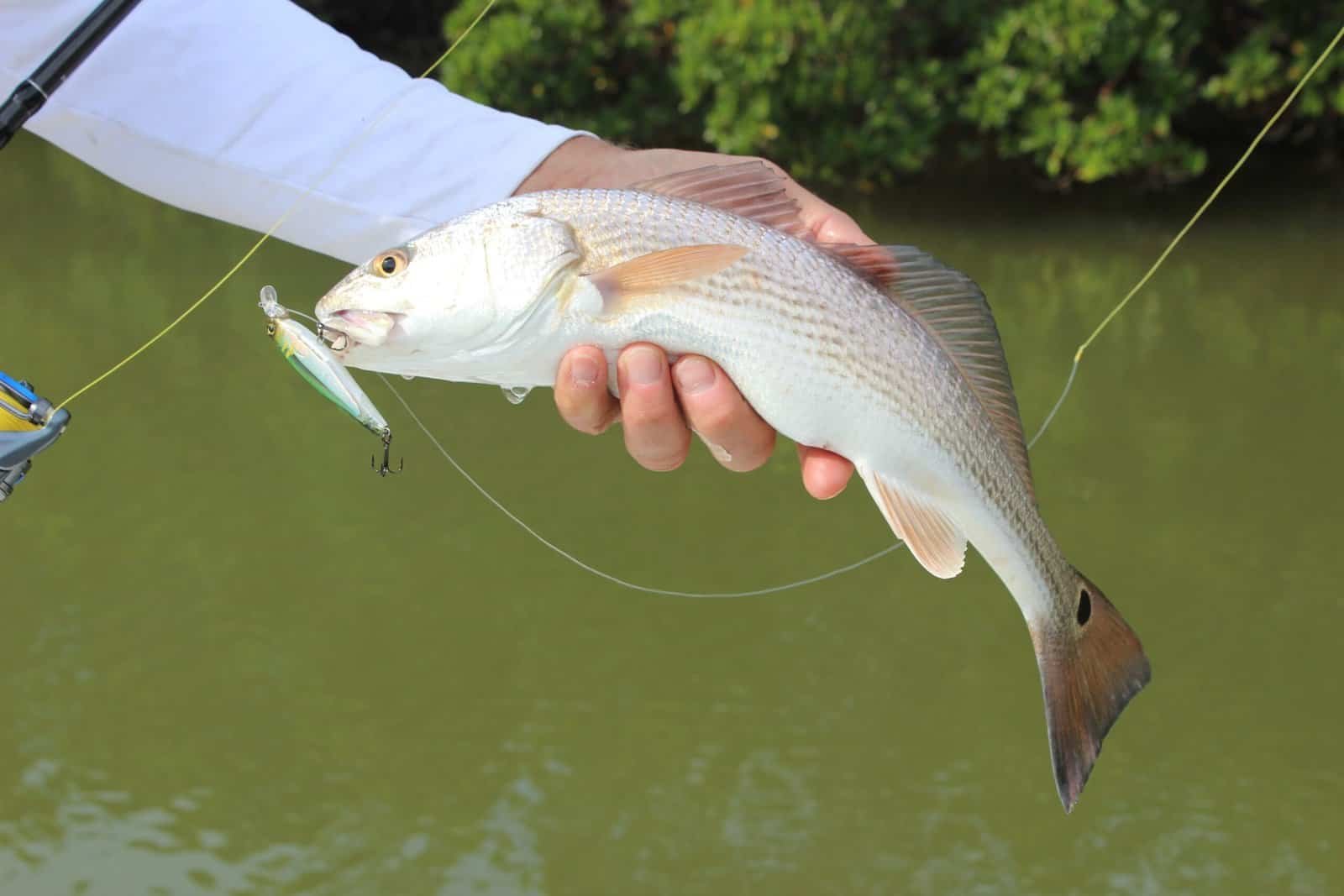
Best Redfish Lures
Discover the most productive artificial lures for Florida redfish and learn when, where, and how to fish each one.
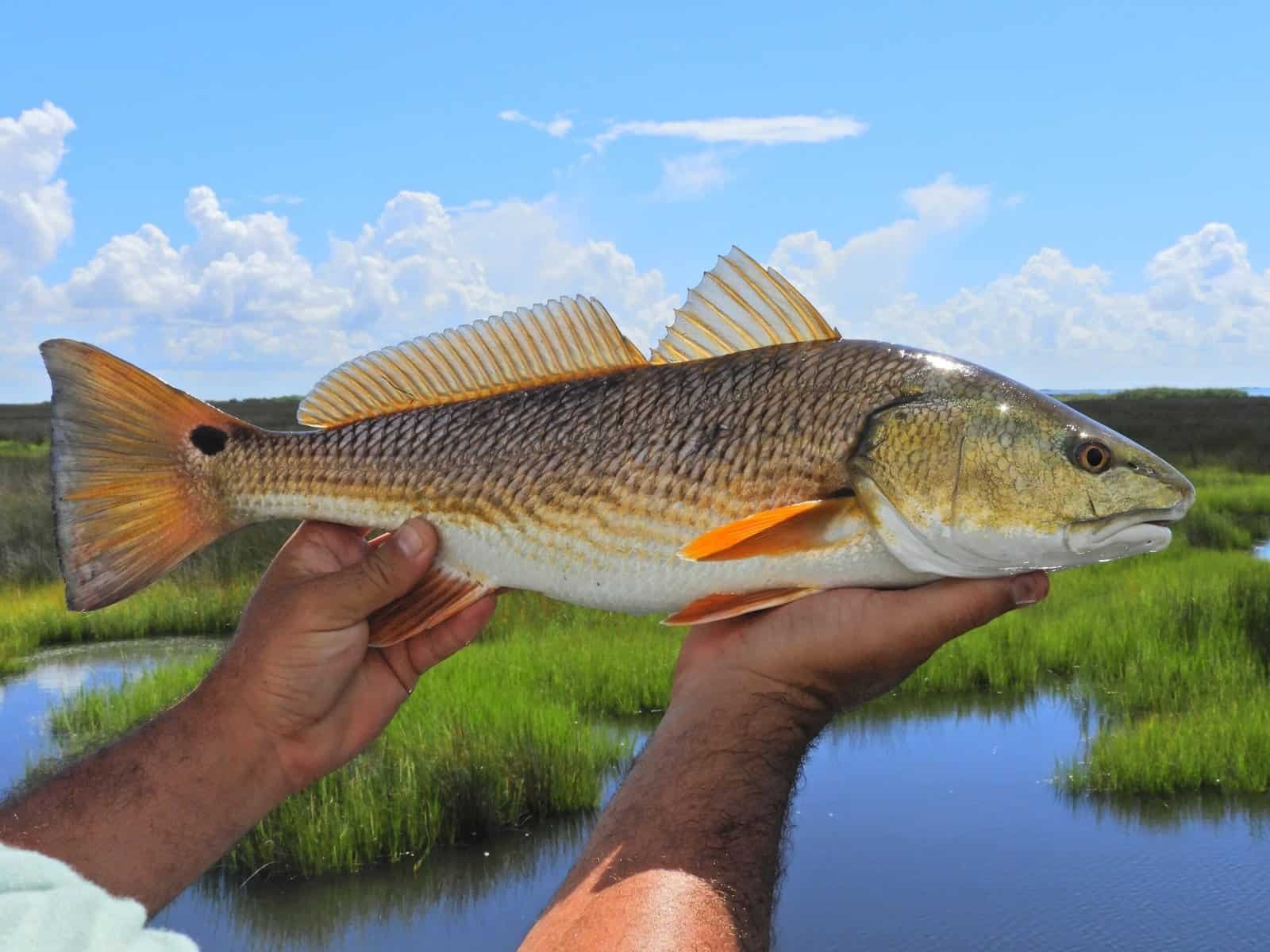
Fishing Grass Flats
Learn how to locate redfish on Florida grass flats using tides, bait movement, potholes, grass edges, and proven lure presentations.
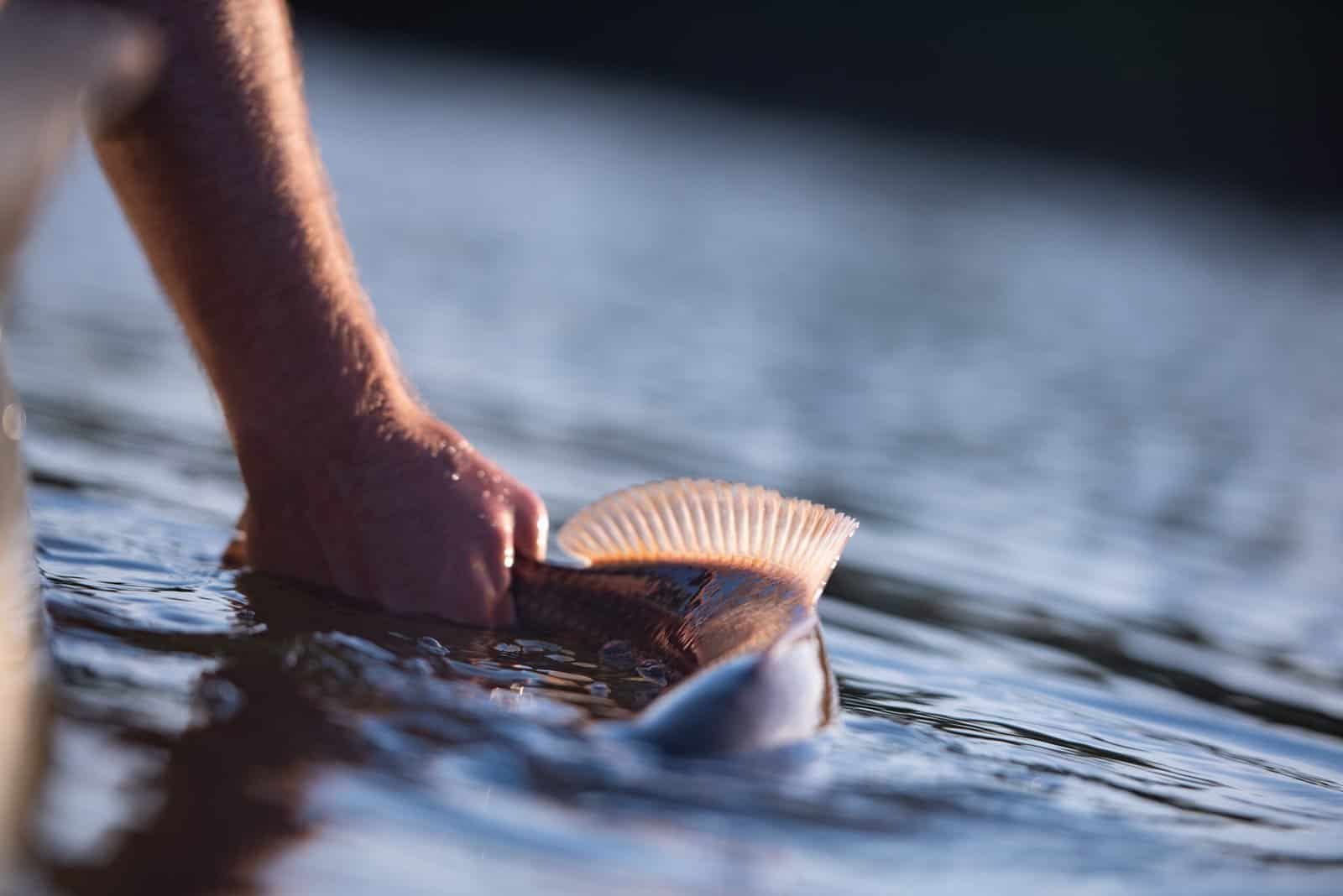
Fishing Oyster Bars
Discover how redfish use oyster bars, current, and tidal movement—and the best techniques for fishing these productive feeding areas.
West Coast Redfish
Explore redfish fishing along Florida's Gulf Coast, from expansive grass flats and mangroves to oyster bars, marshes, and tidal creeks.
East Coast Redfish
Learn how to target redfish throughout Florida's Atlantic Coast lagoons, marshes, tidal creeks, oyster beds, and shallow-water fisheries.
Redfish Seasons
See how Florida redfish behavior changes from spring through winter and where to find fish as water temperatures and forage change.
Redfish Colors
Learn how to choose redfish lure colors based on water clarity, sunlight, forage, depth, and changing fishing conditions.
Topwater Redfish
Learn when redfish will strike on the surface and how to fish walking baits for explosive topwater action.
Continue Your Florida Redfish Journey
Redfish can be found in nearly every type of Florida inshore habitat, making them one of the most exciting and accessible gamefish for anglers of all experience levels. By understanding seasonal movements, reading the tides, and selecting the right artificial lures for the conditions, you’ll dramatically improve your chances of finding and catching these hard-fighting fish.
Explore our growing collection of Florida redfish fishing guides to learn more about productive locations, advanced techniques, and proven artificial lures designed to help you catch more fish throughout the year.
- Best Redfish Lures
- Florida Inshore Fishing
- Shop Redfish Tackle